Strength Training for Child Athletes
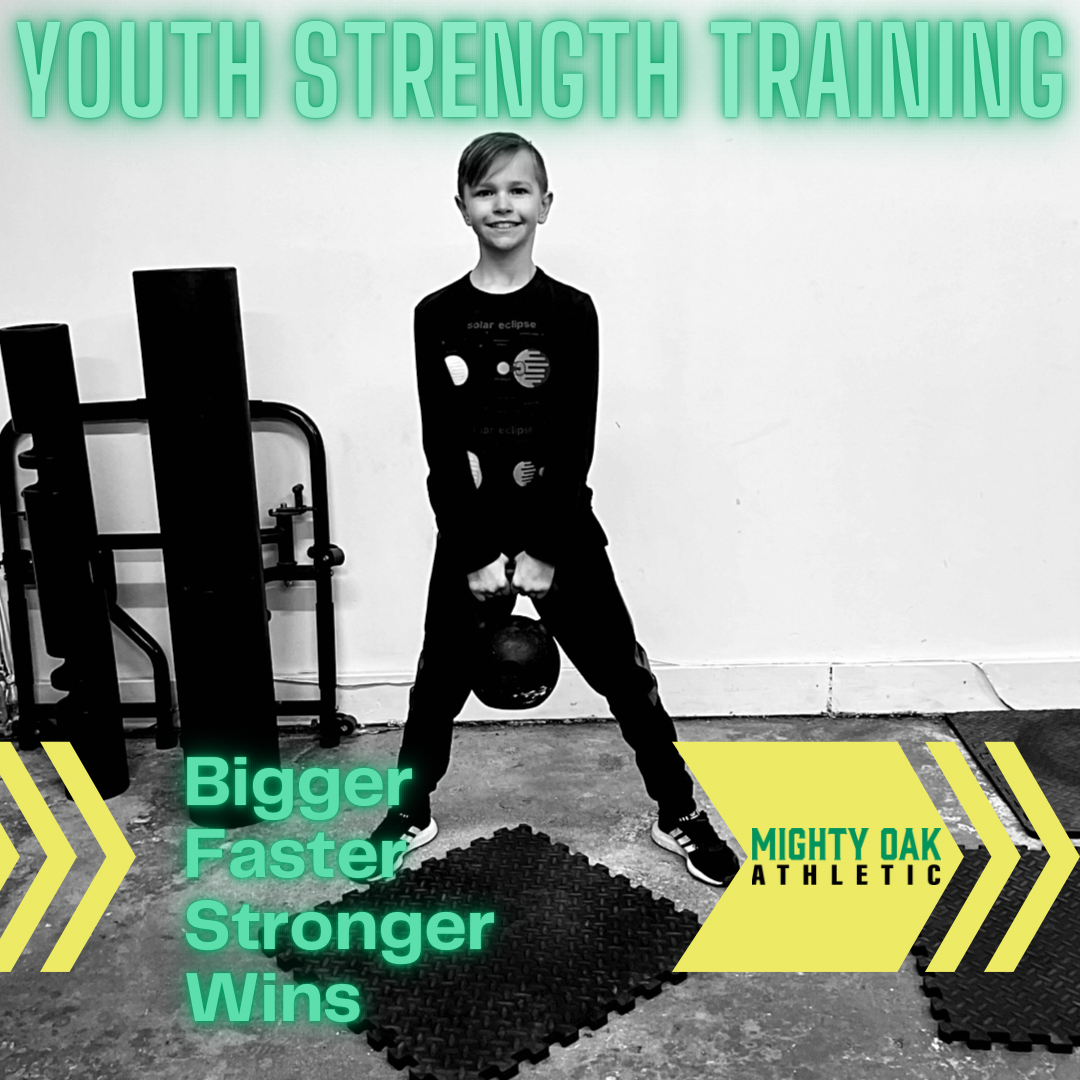
Strength training is a type of physical exercise that involves the use of resistance to induce muscular contractions and increase muscle strength, endurance, and size. Traditionally, strength training has been associated with adult athletes, but recent research has shown that children can also benefit from strength training. In this essay, I will discuss the benefits of strength training for child athletes and provide citations to support my claims.
One of the primary benefits of strength training for child athletes is that it can improve their physical performance in a variety of sports. Research has shown that strength training can increase muscle strength, power, and endurance, which can translate into better performance on the field or court (1). In fact, a study of young athletes aged 7-14 found that a 12-week strength training program improved their running speed, agility, and jump height (2).
Another benefit of strength training for child athletes is that it can reduce the risk of injury. Stronger muscles and tendons can better withstand the stress of athletic activity and reduce the risk of strains, sprains, and other injuries (3). In fact, a systematic review of strength training in young athletes found that it can reduce the risk of sports-related injuries by up to 68% (4).
In addition to improving physical performance and reducing the risk of injury, strength training can also have positive effects on overall health and well-being. Research has shown that strength training can improve bone mineral density, which can reduce the risk of osteoporosis later in life (5). It can also improve cardiovascular health by reducing blood pressure and improving blood lipid profiles (6).
It is important to note that strength training for child athletes should be conducted under the guidance of a qualified coach or trainer who can ensure that proper techniques are used and that the exercises are appropriate for the child's age and developmental stage. Additionally, strength training should be combined with other forms of exercise, such as cardiovascular training and agility drills, to ensure a well-rounded fitness program.
In conclusion, strength training can be a valuable addition to the training regimen of child athletes. It can improve physical performance, reduce the risk of injury, and have positive effects on overall health and well-being. However, it is important to ensure that strength training is conducted under the guidance of a qualified coach or trainer and that it is combined with other forms of exercise to promote a well-rounded fitness program.
References:
Behringer, M., Vom Heede, A., & Matthews, M. (2011). Effects of strength training on motor performance skills in children and adolescents: a meta-analysis. Pediatric Exercise Science, 23(2), 186-206.
Faigenbaum, A. D., Kraemer, W. J., Blimkie, C. J., Jeffreys, I., Micheli, L. J., Nitka, M., & Rowland, T. W. (2009). Youth resistance training: updated position statement paper from the national strength and conditioning association. The Journal of Strength & Conditioning Research, 23(5), S60-S79.
Myer, G. D., Faigenbaum, A. D., Edwards, N. M., Clark, J. F., Best, T. M., & Sallis, R. E. (2011). Sixty minutes of what? A developing brain perspective for activating children with an integrative exercise approach. British Journal of Sports Medicine, 45(7), 589-593.
Lauersen, J. B., Andersen, T. E., & Andersen, L. B. (2014). Strength training as superior, dose-dependent and safe prevention of acute and overuse sports injuries: a systematic review, qualitative analysis and meta-analysis. British Journal of Sports Medicine, 48(13), 871-877.
Faigenbaum, A. D., & Myer, G. D. (2010). Resistance training among young athletes: safety, efficacy and injury prevention effects. British Journal of Sports Medicine, 44(1), 56-63.
Ramirez-Campillo, R., Álvarez, C., García-Hermoso, A., Celis-Morales, C., Ramírez-Vélez, R., Gentil, P., ... & Izquierdo, M. (2018). High-speed resistance training in overweight young males: effects on body composition, cardiometabolic health, and physical fitness. Journal of Strength and Conditioning Research, 32(1), 30-36.
SIGN UP FOR A FREE STRENGTH TRAINING SESSION AT MIGHTY OAK ATHLETIC