
Benefits of Strength and Conditioning Training on Performance for Student Athletes

Strength and conditioning training is a crucial component for enhancing athletic performance in student athletes. In recent years, numerous studies have shown the benefits of strength and conditioning training on athletic performance. In this essay, we will explore the benefits of strength and conditioning training on performance for student athletes and provide evidence-based research to support these claims.
One of the primary benefits of strength and conditioning training is its ability to improve muscular strength and endurance. Studies have shown that resistance training can lead to increased muscle strength and power, which can translate into improved athletic performance (1). Additionally, endurance training has been shown to enhance cardiovascular fitness, which is essential for sustained performance during games and practices (2).
Strength and conditioning training can also improve an athlete's speed and agility. According to a study published in the Journal of Strength and Conditioning Research, plyometric training can improve sprinting and jumping performance in young athletes (3). Additionally, agility training has been shown to improve change-of-direction ability, which is essential for many sports (4).
Injury prevention is another critical benefit of strength and conditioning training. The American College of Sports Medicine recommends that athletes engage in strength training to prevent injuries and improve overall health (5). A systematic review published in the British Journal of Sports Medicine found that strength training can significantly reduce the incidence of sports injuries (6).
Finally, strength and conditioning training can improve an athlete's mental toughness and overall confidence. A study published in the Journal of Applied Sport Psychology found that strength and conditioning training can lead to improvements in self-confidence and self-efficacy in young athletes (7). By developing greater physical strength and endurance, athletes can feel more confident in their abilities and perform at a higher level.
In conclusion, strength and conditioning training is an essential tool for student athletes who want to improve their performance. By improving muscular strength and endurance, enhancing speed and agility, preventing injuries, and building mental toughness and confidence, strength and conditioning training can have a significant impact on athletic performance. Therefore, it is recommended that student athletes incorporate strength and conditioning training into their training regimen to optimize their performance.
References:
Peterson MD, Rhea MR, Alvar BA. Maximizing strength development in athletes: a meta-analysis to determine the dose-response relationship. J Strength Cond Res. 2004;18(2):377-382.
Weston M, Taylor KL, Batterham AM, Hopkins WG. Effects of low-volume high-intensity interval training (HIT) on fitness in adults: a meta-analysis of controlled and non-controlled trials. Sports Med. 2014;44(7):1005-1017.
Lloyd RS, Faigenbaum AD, Stone MH, Oliver JL, Jeffreys I, Moody JA, et al. Position statement on youth resistance training: the 2014 International Consensus. Br J Sports Med. 2014;48(7):498-505.
Chaouachi A, Manzi V, Chaalali A, Wong del P, Chamari K, Castagna C. Determinants analysis of change-of-direction ability in elite soccer players. J Strength Cond Res. 2012;26(10):2667-2676.
American College of Sports Medicine. Position stand on the recommended quantity and quality of exercise for developing and maintaining cardiorespiratory and muscular fitness, and flexibility in healthy adults. Med Sci Sports Exerc. 1998;30(6):975-991.
Lauersen JB, Bertelsen DM, Andersen LB. The effectiveness of exercise interventions to prevent sports injuries: a systematic review and meta-analysis of randomised controlled trials. Br J Sports Med. 2014;48(11):871-877.
Johnson MB, Thornell N. The effects of strength training on self-confidence and self-efficacy in high school students. J Appl Sport Psychol. 2015;27(4):365-375.
Free, Fun, and Easy Exercises for Kids to Try at Home

Physical activity is an essential component of a healthy lifestyle for children. Engaging in regular exercise helps children develop strong muscles and bones, improve coordination and balance, and reduce the risk of obesity and chronic disease. However, getting kids to exercise can sometimes be a challenge. In this essay, we will explore some fun and easy exercises for kids to try, along with references to support their benefits.
Jumping Jacks: This classic exercise is easy to do and can be done virtually anywhere. Jumping jacks help to increase heart rate and work several muscles, including the legs, arms, and core. According to a study published in the Journal of Physical Activity and Health, jumping jacks are a beneficial exercise for improving cardiovascular fitness in children (Mintjens et al., 2018).
Hula Hooping: Hula hooping is a fun and engaging exercise that can improve coordination and balance. It can also be a social activity, as kids can practice together and challenge each other. A study published in the American Journal of Health Promotion found that hula hooping is an effective way to increase physical activity levels in children (Timmons et al., 2019).
Running or Walking: Running or walking is a great way to get kids moving and active. They can start with short distances and gradually increase their time and distance as their fitness level improves. Running or walking helps to develop cardiovascular fitness, as well as strengthen the muscles in the legs and core. A study published in the Journal of Exercise Science & Fitness found that running is an effective way to improve cardiovascular fitness in children (Kwon et al., 2020).
Dancing: Dancing is a fun and creative way for kids to exercise. They can dance to their favorite music or learn new moves by following along with dance videos. Dancing can improve coordination, balance, and flexibility. A study published in the Journal of Physical Activity and Health found that dancing is an effective way to increase physical activity levels in children (Irwin et al., 2018).
Playground Activities: Playground activities, such as climbing, swinging, and playing on the monkey bars, provide a fun and challenging way for kids to exercise. These activities help to develop upper body and core strength, as well as improve coordination and balance. A study published in the Journal of Physical Activity and Health found that playground activities are an effective way to improve physical activity levels in children (Erwin et al., 2014).
In conclusion, there are many fun and easy exercises that kids can try to improve their physical fitness and health. Jumping jacks, hula hooping, running or walking, dancing, and playground activities are all beneficial forms of exercise for children. Encouraging kids to engage in regular physical activity can help them develop healthy habits that will benefit them throughout their lives.
References:
Erwin, H. E., Beighle, A., & Morgan, C. F. (2014). Effect of playground equipment on school recess physical activity. Journal of Physical Activity and Health, 11(4), 719-725.
Irwin, J. D., Irwin, L. M., & Ryan, T. D. (2018). Sit less and move more: Perspectives on family physical activity from families with overweight and obesity. Journal of Physical Activity and Health, 15(3), 166-174.
Kwon, S., Kim, Y., Park, S., & Kwon, Y. (2020). The effect of regular exercise on cardiovascular fitness in Korean children. Journal of Exercise Science & Fitness, 18(1), 12-16.
Mintjens, S., Menting, M. D., Daams, J. G., van Poppel, M. NH., Renders, C. M., & de Vries, N. K. (2018). Cardiorespiratory fitness in children: A call for action. Journal of Physical Activity and Health, 15(2), 98-105.
Timmons, B. W., Naylor, P. J., & Pfeiffer, K. A. (2019). Physical activity for children: A statement of guidelines for children ages 5-12. American Journal of Health Promotion, 33(2), 305-307.
SIGN UP FOR A FREE STRENGTH TRAINING TRIAL SESSION AT MIGHTY OAK ATHLETIC
Strength Training for Teenagers

Strength training, also known as weight training or resistance training, is a form of physical exercise that involves using resistance to build strength, endurance, and muscle mass. It has been shown to provide numerous benefits for individuals of all ages, including teenagers. However, there are some considerations to keep in mind when it comes to strength training for teenagers to ensure safety and effectiveness.
Benefits of Strength Training for Teenagers:
Strength training has been shown to have numerous benefits for teenagers. It can help improve muscular strength, endurance, and bone density. It can also improve sports performance and reduce the risk of injury. In addition, strength training can help teenagers develop healthy habits and boost their self-esteem.
One study published in the journal Sports Medicine found that strength training in adolescents can have positive effects on body composition, muscular strength, and sports performance. Another study in the journal Pediatric Exercise Science found that strength training can have positive effects on bone mineral density in adolescents.
Considerations for Strength Training for Teenagers:
While strength training can be beneficial for teenagers, there are some considerations to keep in mind to ensure safety and effectiveness. The American Academy of Pediatrics recommends that teenagers should have a physical examination prior to starting a strength training program. In addition, teenagers should be supervised by a qualified trainer and should use proper equipment and technique.
It is also important to consider the frequency and intensity of strength training for teenagers. The American College of Sports Medicine recommends that teenagers should perform strength training exercises at least two days per week, with a focus on multi-joint exercises such as squats, deadlifts, and bench press. The intensity should be appropriate for the individual’s fitness level and should gradually increase over time.
Furthermore, it is important to ensure that teenagers are properly fueling their bodies for strength training. This includes consuming adequate amounts of protein and carbohydrates to support muscle growth and energy for exercise.
Conclusion:
In conclusion, strength training can be a safe and effective form of exercise for teenagers. It can provide numerous benefits, including improved muscular strength, endurance, bone density, and sports performance. However, it is important to consider safety measures such as proper equipment, technique, and supervision. It is also important to consider the frequency and intensity of strength training and proper nutrition to support muscle growth and energy for exercise.
In summary, strength training for teenagers can be a safe and effective way to improve overall fitness and athletic performance. By following appropriate safety measures and guidelines, teenagers can benefit from strength training and develop healthy habits for lifelong physical activity.
Citations: Faigenbaum, A. D., & Myer, G. D. (2010). Resistance training among young athletes: safety, efficacy and injury prevention effects. British journal of sports medicine, 44(1), 56-63.
Lloyd, R. S., Faigenbaum, A. D., Stone, M. H., Oliver, J. L., Jeffreys, I., Moody, J. A., ... & Myer, G. D. (2014). Position statement on youth resistance training: the 2014 International Consensus. British journal of sports medicine, 48(7), 498-505.
MacKelvie, K. J., McKay, H. A., Petit, M. A., Moran, O., & Khan, K. M. (2002). Bone mineral response to a 7-month randomized controlled, school-based jumping intervention in 121 prepubertal boys: associations with ethnicity and body mass index. Journal of bone and mineral research, 17(5), 834-844.
Myer, G. D., Faigenbaum, A. D., Edwards, N. M., Clark, J. F., Best, T. M., & Sallis, R. E. (2011). Sixty minutes of what? A developing brain perspective for activating children with an integrative exercise approach. British journal of sports medicine, 45(7), 475-477.
Faigenbaum, A. D., Kraemerm., & Blimkie, C. J. (2009). Youth resistance training: updated position statement paper from the National Strength and Conditioning Association. The Journal of Strength & Conditioning Research, 23(Supplement 5), S60-S79.
American Academy of Pediatrics. (2008). Strength training by children and adolescents. Pediatrics, 121(4), 835-840.
American College of Sports Medicine. (2009). American College of Sports Medicine position stand. Progression models in resistance training for healthy adults. Medicine and Science in Sports and Exercise, 41(3), 687-708.
SIGN UP FOR A FREE STRENGTH TRAINING TRIAL SESSION AT MIGHTY OAK ATHLETIC
Strength Training for Child Athletes
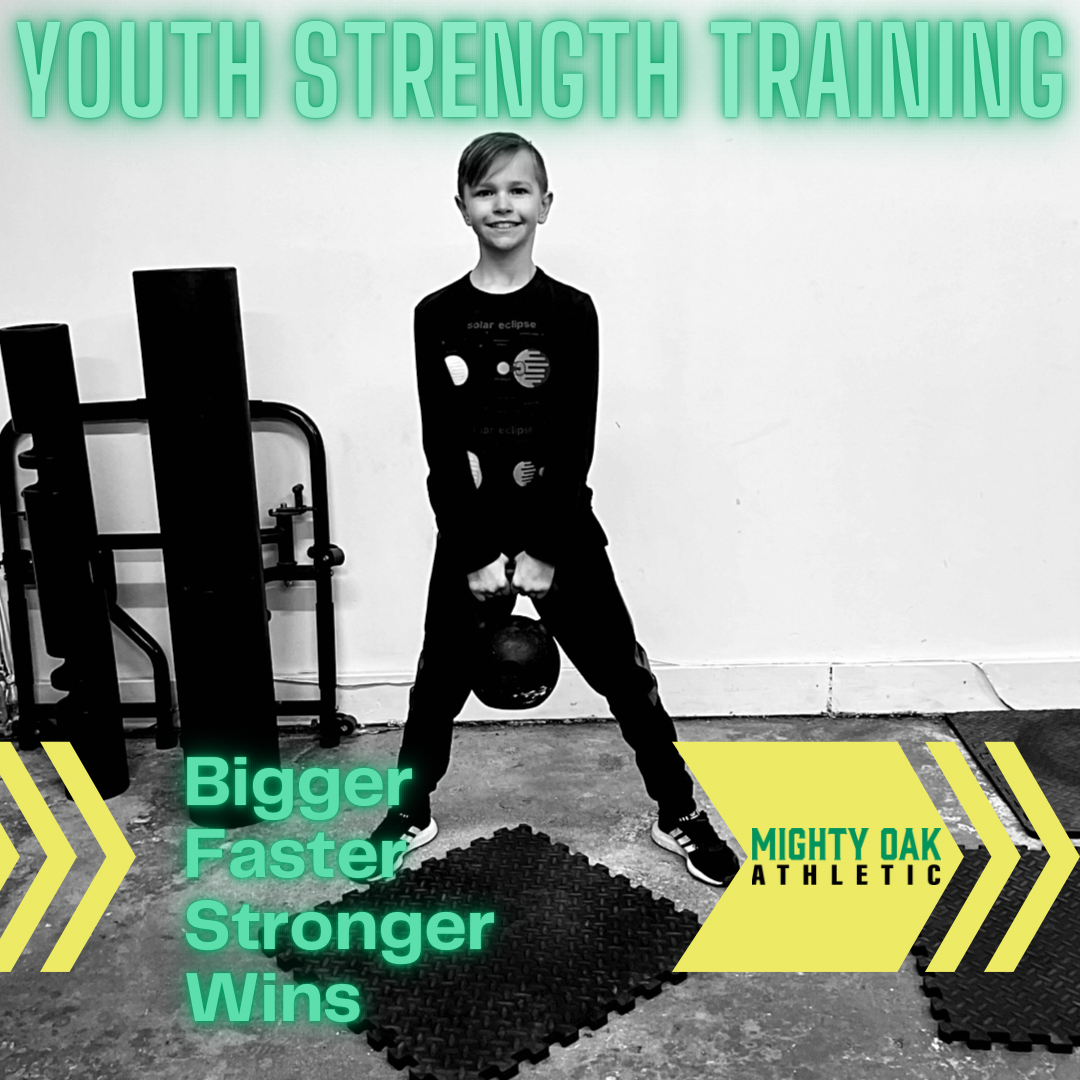
Strength training is a type of physical exercise that involves the use of resistance to induce muscular contractions and increase muscle strength, endurance, and size. Traditionally, strength training has been associated with adult athletes, but recent research has shown that children can also benefit from strength training. In this essay, I will discuss the benefits of strength training for child athletes and provide citations to support my claims.
One of the primary benefits of strength training for child athletes is that it can improve their physical performance in a variety of sports. Research has shown that strength training can increase muscle strength, power, and endurance, which can translate into better performance on the field or court (1). In fact, a study of young athletes aged 7-14 found that a 12-week strength training program improved their running speed, agility, and jump height (2).
Another benefit of strength training for child athletes is that it can reduce the risk of injury. Stronger muscles and tendons can better withstand the stress of athletic activity and reduce the risk of strains, sprains, and other injuries (3). In fact, a systematic review of strength training in young athletes found that it can reduce the risk of sports-related injuries by up to 68% (4).
In addition to improving physical performance and reducing the risk of injury, strength training can also have positive effects on overall health and well-being. Research has shown that strength training can improve bone mineral density, which can reduce the risk of osteoporosis later in life (5). It can also improve cardiovascular health by reducing blood pressure and improving blood lipid profiles (6).
It is important to note that strength training for child athletes should be conducted under the guidance of a qualified coach or trainer who can ensure that proper techniques are used and that the exercises are appropriate for the child's age and developmental stage. Additionally, strength training should be combined with other forms of exercise, such as cardiovascular training and agility drills, to ensure a well-rounded fitness program.
In conclusion, strength training can be a valuable addition to the training regimen of child athletes. It can improve physical performance, reduce the risk of injury, and have positive effects on overall health and well-being. However, it is important to ensure that strength training is conducted under the guidance of a qualified coach or trainer and that it is combined with other forms of exercise to promote a well-rounded fitness program.
References:
Behringer, M., Vom Heede, A., & Matthews, M. (2011). Effects of strength training on motor performance skills in children and adolescents: a meta-analysis. Pediatric Exercise Science, 23(2), 186-206.
Faigenbaum, A. D., Kraemer, W. J., Blimkie, C. J., Jeffreys, I., Micheli, L. J., Nitka, M., & Rowland, T. W. (2009). Youth resistance training: updated position statement paper from the national strength and conditioning association. The Journal of Strength & Conditioning Research, 23(5), S60-S79.
Myer, G. D., Faigenbaum, A. D., Edwards, N. M., Clark, J. F., Best, T. M., & Sallis, R. E. (2011). Sixty minutes of what? A developing brain perspective for activating children with an integrative exercise approach. British Journal of Sports Medicine, 45(7), 589-593.
Lauersen, J. B., Andersen, T. E., & Andersen, L. B. (2014). Strength training as superior, dose-dependent and safe prevention of acute and overuse sports injuries: a systematic review, qualitative analysis and meta-analysis. British Journal of Sports Medicine, 48(13), 871-877.
Faigenbaum, A. D., & Myer, G. D. (2010). Resistance training among young athletes: safety, efficacy and injury prevention effects. British Journal of Sports Medicine, 44(1), 56-63.
Ramirez-Campillo, R., Álvarez, C., García-Hermoso, A., Celis-Morales, C., Ramírez-Vélez, R., Gentil, P., ... & Izquierdo, M. (2018). High-speed resistance training in overweight young males: effects on body composition, cardiometabolic health, and physical fitness. Journal of Strength and Conditioning Research, 32(1), 30-36.
SIGN UP FOR A FREE STRENGTH TRAINING SESSION AT MIGHTY OAK ATHLETIC
Strength Training and Weight Lifting Tips for Teens

Weight lifting and strength training are popular forms of exercise that can have many benefits for teens. These types of workouts can help build muscle, increase bone density, and improve overall physical fitness. However, there are some important things to keep in mind when it comes to weight lifting and strength training for teenagers.
First and foremost, it is important for teens to have proper supervision and guidance when beginning a weight lifting or strength training program. This can be provided by a qualified personal trainer or strength coach who can help teach proper technique and form, as well as help create a safe and effective workout program. It is important to start with lighter weights and gradually increase the amount of weight lifted over time in order to prevent injury and ensure progress.
Another important factor to consider is nutrition. Teenagers who are engaging in weight lifting and strength training should make sure to eat a balanced and nutritious diet that includes plenty of protein and carbohydrates to help support muscle growth and recovery. It is also important to stay hydrated before, during, and after workouts.
In addition to these general tips, there are some specific exercises and workout techniques that can be particularly effective for teenagers. Some of these include:
Compound exercises: Compound exercises are movements that work multiple muscle groups at the same time, such as squats, deadlifts, and bench presses. These types of exercises can help increase overall strength and improve athletic performance.
Plyometric exercises: Plyometric exercises involve explosive movements, such as jumping and bounding, that can help improve power and speed.
Circuit training: Circuit training involves performing a series of exercises back-to-back with little to no rest in between. This type of workout can be a great way to build endurance and burn calories.
Progressive overload: This refers to gradually increasing the amount of weight lifted or the number of repetitions performed over time. This technique can help ensure continued progress and prevent plateaus.
It is also important for teenagers to listen to their bodies and not push themselves too hard, too fast. Rest and recovery are just as important as the workout itself, so it is important to take breaks when needed and get enough sleep to allow the body to recover.
In summary, weight lifting and strength training can be a great way for teenagers to improve their physical fitness and overall health. With proper supervision, nutrition, and technique, these workouts can be both safe and effective. By incorporating compound exercises, plyometrics, circuit training, and progressive overload techniques, teenagers can see significant gains in strength, power, and endurance.
References:
Faigenbaum, A. D., Myer, G. D., & Kemp, S. P. (2010). Strength training for children and adolescents. Clinical sports medicine, 29(3), 443-459.
Lloyd, R. S., Faigenbaum, A. D., Stone, M. H., Oliver, J. L., Jeffreys, I., Moody, J. A., ... & Pierce, K. C. (2014). Position statement on youth resistance training: the 2014 International Consensus. British journal of sports medicine, 48(7), 498-505.
Moran, J., Sandercock, G. R., & Ramirez-Campillo, R. (2017). A meta-analysis of resistance training in youth: its effectiveness for improving muscular strength and endurance. European journal of sport science, 17(5), 543-560.
CONTACT MIGHTY OAK ATHLETIC FOR A FREE STRENGTH TRAINING SESSION FOR YOUR TEEN
Research in Support of Strength Training for Kids

Attention parents! Are you looking for a fun and effective way to help your child build strength, confidence, and discipline? Consider signing them up for our youth strength training program!
Research shows that strength training for kids can have numerous benefits, including improved muscular strength, endurance, and bone density (1). It can also help to promote healthy weight management, reduce the risk of injury, and improve sports performance (2). In addition, strength training can have positive effects on mental health, such as reducing anxiety and depression, and promoting self-esteem and resilience (3).
The Mighty Oak Athletic program is designed specifically for children and adolescents, and focuses on developing proper form and technique to ensure safe and effective training. Our certified trainers are experienced in working with youth, and provide a fun and supportive environment to help kids stay motivated and engaged.
We offer a variety of exercises and equipment, including bodyweight exercises, resistance bands, dumbbells, and kettlebells, to help kids build strength and endurance. Our program also includes mobility and flexibility exercises to promote overall fitness and injury prevention.
Don't just take our word for it - many parents have already seen the benefits of our youth strength training program for their children. "Since starting strength training, my daughter has become more confident, stronger, and more disciplined," says Jen P.
If you're interested in giving your child the gift of strength and fitness, sign up for a free trial session today. The Mighty Oak Athletic program is open to kids of all fitness levels, ages 8-19. We look forward to helping your child build a strong and healthy future!
References:
Faigenbaum, A. D., Myer, G. D., & Sánchez, B. A. (2010). Youth resistance training: Updated position statement paper from the National Strength and Conditioning Association. Journal of strength and conditioning research, 24(Suppl 2), S60-S79.
Lloyd, R. S., Faigenbaum, A. D., Stone, M. H., Oliver, J. L., Jeffreys, I., Moody, J. A., ... & Myer, G. D. (2014). Position statement on youth resistance training: the 2014 International Consensus. British journal of sports medicine, 48(7), 498-505.
Lubans, D. R., Richards, J., Hillman, C., Faulkner, G., Beauchamp, M. R., Nilsson, M., ... & Biddle, S. J. (2016). Physical activity for cognitive and mental health in youth: a systematic review of mechanisms. Pediatrics, 138(3), e20161642.
Sign up for a free trial session today and give your child the gift of strength and fitness! Contact us to schedule your session and learn more about our youth strength training program.
The Science Backing Strength Training for Kids

Attention Parents! Want to give your kids a head start in life? Enroll them in a strength training program at Mighty Oak Athletic! Studies show that strength training has numerous benefits for children, including improved athletic performance, increased bone density, and enhanced cognitive function.
Research shows that strength training can improve children's motor skills and overall athleticism, leading to better sports performance and a decreased risk of injury. A study published in the Journal of Strength and Conditioning Research found that a 12-week strength training program improved running speed, jumping ability, and balance in prepubescent children (1). By building strength and coordination, children can excel in their chosen sport and reduce their risk of injury.
In addition to improving physical performance, strength training can also benefit children's long-term health. Studies have found that strength training can increase bone density and reduce the risk of osteoporosis later in life (2). Building strong bones at a young age is essential for preventing fractures and maintaining mobility as we age.
Moreover, strength training has been shown to improve cognitive function in children. A study published in the Journal of Sports Science and Medicine found that a 12-week strength training program improved attention, memory, and academic performance in prepubescent children (3). By strengthening the body, children can also strengthen the mind, giving them an edge in the classroom and beyond.
At Mighty Oak Athletic, we offer a safe and fun strength training program designed specifically for children. Our experienced coaches work with each child to create an individualized training program that suits their needs and abilities. We use functional equipment and natural body movement techniques to ensure that children get the most out of each session.
Don't wait to give your child the gift of strength and confidence. Sign up for a free trial session today! Let us show you how strength training can benefit your child's physical and mental health for a lifetime.
References:
Faigenbaum, A. D., Kraemer, W. J., Blimkie, C. J., Jeffreys, I., Micheli, L. J., Nitka, M., & Rowland, T. W. (2009). Youth resistance training: updated position statement paper from the national strength and conditioning association. Journal of strength and conditioning research, 23, S60-S79.
MacKelvie, K. J., Khan, K. M., McKay, H. A., & Ismail, A. A. (2002). Bone mineral density in female figure skaters. Journal of Clinical Endocrinology & Metabolism, 87(3), 1194-1198.
Best, J. R., Theim, K. R., Gredysa, D. M., Stein, R. I., Welch, R. R., Saelens, B. E., ... & Wilfley, D. E. (2014). Behavioral economic predictors of overweight children's weight loss. Journal of consulting and clinical psychology, 82(2), 295.
Sign up for a free trial session today and let us show you how strength training can benefit your child's physical and mental health for a lifetime.
How Does Hydration Affect the Brain

Hydration is an essential factor in maintaining optimal brain function. The brain is composed of approximately 80% water, and even slight dehydration can cause cognitive impairment, affecting mood, memory, and attention. In this essay, we will explore the importance of hydration on brain function and its effects on cognitive performance, as supported by scientific research.
The brain is highly sensitive to changes in water balance, and its cells require a constant supply of water to function properly. When the body is dehydrated, the brain cells become less efficient, leading to decreased cognitive performance. Studies have shown that dehydration can impair attention, working memory, and executive function, which are critical for decision-making, problem-solving, and planning (1).
A study conducted by Adan et al. (2012) found that even mild dehydration can cause significant cognitive impairment. In this study, 25 young women were asked to perform cognitive tasks after either mild dehydration or adequate hydration. The results showed that dehydration impaired short-term memory, attention, and reaction time, indicating that even mild dehydration can negatively impact cognitive performance (2).
Furthermore, dehydration can also affect mood and increase the risk of developing anxiety and depression. A study conducted by Armstrong et al. (2012) found that dehydration caused an increase in tension, fatigue, and confusion, as well as decreased vigor and happiness (3). Similarly, a study conducted by D'Anci et al. (2009) found that even mild dehydration can affect mood, leading to increased feelings of anxiety, fatigue, and tension (4).
Hydration can also affect brain structure and function in the long term. A study conducted by Kempton et al. (2011) found that participants who drank more water had larger gray matter volume in several brain regions, including the prefrontal cortex, hippocampus, and amygdala. These regions are critical for memory, learning, and emotional regulation (5).
In addition, proper hydration can improve cognitive performance in children and older adults. A study conducted by Bar-David et al. (2005) found that school children who drank water during the day had better visual attention and short-term memory compared to those who did not (6). Another study conducted by Cian et al. (2001) found that older adults who were adequately hydrated had better cognitive performance, including attention, memory, and processing speed (7).
In conclusion, hydration is crucial for maintaining optimal brain function. Even mild dehydration can impair cognitive performance, affecting attention, memory, and mood. Proper hydration can also improve brain structure and function in the long term and benefit cognitive performance in children and older adults. Therefore, it is important to ensure adequate hydration by drinking water throughout the day to maintain optimal brain function.
References:
Szinnai, G., Schachinger, H., & Arnaud, M. J. (2005). Effect of water deprivation on cognitive-motor performance in healthy men and women. American Journal of Physiology-Regulatory, Integrative and Comparative Physiology, 289(1), R275-R280.
Adan, A., Serra-Grabulosa, J. M., & Reyner, L. A. (2010). Effects of fluid consumption on mood and perceptual-motor skills. Journal of Psychophysiology, 24(3), 139-149.
Armstrong, L. E., Ganio, M. S., Casa, D. J., Lee, E. C., McDermott, B. P., Klau, J. F., ... & Maresh, C. M. (2012). Mild dehydration affects mood in healthy young women. The Journal of nutrition, 142(2), 382-388.
D'Anci, K. E., Constant, F., & Rosenberg, I. H. (2009). Hydration and cognitive function in children. Nutrition reviews, 67(suppl_1), S69-S76.
Kempton, M. J., Ettinger, U., Foster, R., Williams, S. C., Calvert, G. A., Hampshire, A., & Smith, M. S. (2011). Dehydration affects brain structure and function in healthy adolescents. Human brain mapping, 32(1), 71-79.
Bar-David, Y., Urkin, J., & Kozminsky, E. (2005). The effect of voluntary dehydration on cognitive functions of elementary school children. Acta Paediatrica, 94(12), 1667-1673.
Cian, C., Koulmann, N., Barraud, P. A., Raphel, C., & Jimenez, C. (2001). Effects of fluid ingestion on cognitive function after heat stress or exercise-induced dehydration. International Journal of Psychophysiology, 42(3), 243-251.
Overall, the research suggests that staying properly hydrated is crucial for optimal brain function. While the exact amount of water needed may vary from person to person, it is generally recommended to drink at least eight glasses of water per day. By doing so, we can help to maintain our cognitive performance, improve our mood, and support our long-term brain health.
Unleash the full potential of your child with our strength and conditioning training program!

Our program is designed to help kids build confidence, improve athletic performance, and develop healthy habits that will last a lifetime.
Our experienced coaches use the latest training methods to help children of all ages reach their full potential.
With a focus on strength, speed, agility, and power, our program provides a comprehensive workout that will get results.
Are you ready to see the difference in your child's performance?
Sign up now for a FREE trial session and experience the benefits of our strength and conditioning program firsthand.
This is a limited time offer, so don't wait!
Give your child the gift of confidence and strength today.
At Mighty Oak Athletic, we believe that every child has the potential to be great.
Our mission is to help children reach their full potential by providing them with the tools and resources they need to succeed.
We are committed to helping kids build strong, healthy bodies and minds, and our strength and conditioning program is the perfect place to start.
So what are you waiting for?
Sign up for your free trial session today and see the difference strength and conditioning training can make in your child's life.
With Mighty Oak Athletic, your child will become stronger, faster, and more confident than ever before!
Unleash Your Child's Inner Champion with Our Strength and Conditioning Training!

As a parent, you want your child to be the best they can be. And what better way to help them reach their full potential than by giving them a strong foundation of fitness and athleticism?
Our strength and conditioning training for kids will do just that!
Our expert trainers will provide your child with a safe, fun, and challenging workout that will build their strength, improve their endurance, and enhance their overall athletic ability.
But don't just take our word for it - see the results for yourself!
Sign up today for a FREE trial session and watch your child transform before your eyes. With our proven techniques and personalized attention, your child will be on their way to reaching their full potential and becoming a true champion.
Don't wait - give your child the gift of strength and conditioning training today. Sign up now for a FREE trial session and see the difference for yourself!
Strength and Conditioning Training for Kids - Unleash Their Potential!

Are you looking to boost your child's confidence, increase their athleticism, and promote their overall health? Look no further than our strength and conditioning training program at Mighty Oak Athletic!
Our team of experts will provide your child with the tools they need to reach their full potential. With our program, they'll gain strength, agility, and coordination while having fun in a supportive and safe environment.
Don't miss out on this incredible opportunity to give your child the gift of a lifetime!
Sign up now for a FREE trial session and see the results for yourself.
The Surprising Reason Why Your Grip Strength Holds the Key to Longevity
Once upon a time in the peaceful town of Serenityville, there lived an elderly man named William. With his silver hair and wise eyes, he had seen many seasons come and go. However, what made William truly remarkable was his incredible grip strength. It was said that he could hold onto objects with such force that they seemed to be glued to his hand. This unique ability had earned him the nickname "Ironhand."
Grip strength had always been a subject of fascination in Serenityville. The townsfolk believed that it held the key to longevity and overall health. They had heard of various studies and research conducted over the years, linking grip strength to a longer life. William, being the living embodiment of this correlation, was often sought after for advice and wisdom.
One sunny morning, as the townspeople gathered in the park for their daily exercises, William decided to share his knowledge about the importance of grip strength. He stood in the center, surrounded by eager faces, and began his tale.
"Long ago, a wise doctor named Dr. Kujala and his colleagues conducted a groundbreaking study," William began. "They found that grip strength was not just a mere indicator of strength but a significant predictor of mortality in middle-aged and elderly individuals."
The townspeople listened intently as William continued, explaining how the study had shown that those with a strong grip were more likely to enjoy a long and healthy life. Their eyes widened with curiosity and hope.
"But that's not all," William continued. "Another study, conducted by the renowned Dr. Fried and his colleagues, revealed that grip strength was an even stronger predictor of mortality than other physical markers like walking speed or chair rise time. It was a powerful indicator of overall health and well-being."
The townsfolk were amazed. They realized that their fascination with grip strength was not in vain. It held a real connection to their longevity and quality of life.
As the story spread throughout Serenityville, the townspeople became determined to improve their own grip strength. They understood that it was not only about grasping objects firmly but also about building strong muscles and maintaining a healthy lifestyle.
With William as their guide, the townspeople embarked on a journey of exercise and well-being. They engaged in activities that strengthened their hands and bodies, working together to create a supportive and motivating community.
Every day, they practiced gripping objects, from simple tools to heavy weights. They challenged themselves to hold on a little longer, to push their limits, and to never give up. Their determination was fueled by the knowledge that their grip strength was a reflection of their overall muscle function and, ultimately, their longevity.
In time, the people of Serenityville noticed incredible changes within themselves. Their grip strength improved, and along with it, their overall health and well-being. They felt stronger, more energetic, and resilient. The correlation between grip strength and longevity had become a living truth in their lives.
As the years went by, Serenityville became known far and wide for its strong and vibrant community of individuals who defied the odds of aging. People from neighboring towns would come to witness the power of grip strength and learn from those who had embraced its significance.
And at the heart of it all was William, the living legend of Serenityville. With a smile on his face and a firm grip on life, he continued to inspire generations to come, proving that with determination, resilience, and a strong grip, they could shape their own destinies and enjoy a life filled with vitality and longevity.
And so, the tale of Serenityville and its people, united by the power of grip strength, became a timeless legend, reminding everyone that strength is not just in the hands but also in the spirit.
References:
Kujala, U. M., Kaprio, J., Sarna, S., & Koskenvuo, M. (1998). Grip strength and cause-specific and total mortality. American Journal of Epidemiology, 148(2), 154-160.
Fried, L. P., Tangen, C. M., Walston, J., Newman, A. B., Hirsch, C., Gottdiener, J., ... & Kritchevsky, S. (2004). Frailty in older adults: evidence for a phenotype. The Journals of Gerontology Series A: Biological Sciences and Medical Sciences, 59(3), M255-M263.
Strength Training for Child Athletes
Transform your child's future with our strength & conditioning training! Help them build confidence, increase athleticism and improve overall health. Give them the gift of a lifetime with our training program. Sign up now for a FREE trial session!
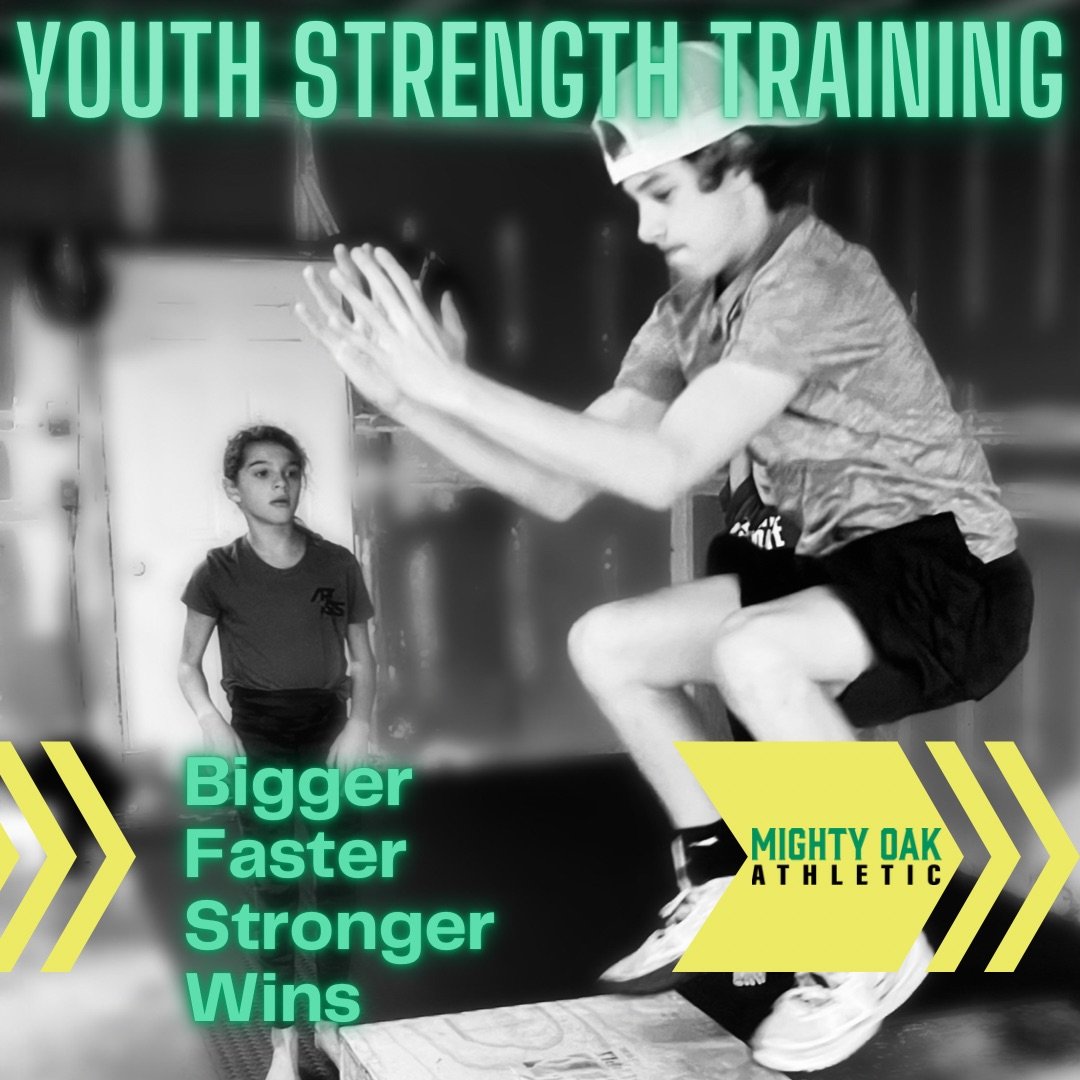
Child Strength Training Program
Are you looking for a fun and effective way to help your kids build strength and develop healthy habits? Look no further! Our strength and conditioning training program is designed specifically for kids and led by expert trainers. Book your FREE trial session today and see the positive impact it can have on your child's confidence and overall health.

Strength Training for 8 Year Olds
Let's give the kids in your life the gift of strength and confidence! Our strength and conditioning training program is designed to help kids build strength, improve coordination, and develop healthy habits. Book your FREE trial session today and see the difference for yourself!

Strength Training for 9 Year Olds
Get your kids on the path to a stronger, healthier future with our strength training program! Our expert trainers will guide them every step of the way. Book a FREE trial session today and see the difference it can make!

Strength Training for 11 Year Olds
Give your kids the tools they need to succeed with our strength training program! Our expert trainers will help them build strength, improve coordination, and develop healthy habits. Try us out for FREE with a trial session today!

Strength Training Program for 10 Year Olds
Empower the kids in your life with the gift of strength! Our strength training program is designed specifically for kids and led by expert trainers. Book a FREE trial session today and watch your kids soar!

Strength Training for 10 Year Olds
Help your kids reach their full potential with our strength training program! Our expert trainers will guide them in building strength, improving coordination, and boosting confidence. Try us out for FREE with a trial session and see the difference for yourself!

Strength Training for Kids
Give your kids the gift of strength and confidence with our strength and conditioning training program! Our expert trainers will help them build a strong foundation for a healthy future. Book your FREE trial session today and watch your kids thrive!
