

Transform Athletic Performance with One Simple Hip Mobility Movement
Enhancing Athletic Performance and Injury Prevention: The Role of Hip Mobility, Flexibility, and Strength
In the realm of student athletics, maintaining optimum physical condition is paramount for both performance and injury prevention. A key aspect often overlooked is the significance of hip mobility, flexibility, and strength. These physical attributes are crucial across a broad spectrum of sports, from soccer to gymnastics, and their benefits are manifold.
The Importance of Hip Mobility:
Hip mobility refers to the range of motion in and around the hip joint. For a soccer player, enhanced hip mobility allows for more fluid and powerful leg movements, crucial for actions like kicking and changing direction swiftly. Similarly, in track and field events such as hurdling, the ability to move the hip joints freely and extensively is essential for clearing hurdles efficiently and without strain.
Flexibility and Its Benefits:
Flexibility in the hips aids in movements requiring a wide range of motion. In sports like gymnastics and martial arts, where athletes need to perform high kicks, splits, and complex body rotations, hip flexibility is indispensable. It allows for these movements to be executed with precision and grace, reducing the risk of muscle strains and joint injuries.
Strength: The Cornerstone of Stability:
Hip strength is crucial for stability and power. In basketball, strong hips enable players to jump higher, pivot quickly, and maintain balance during aggressive plays. For swimmers, hip strength contributes to powerful kicks and better control in the water, directly impacting their speed and endurance.
Injury Prevention:
Inadequate hip mobility, flexibility, or strength can lead to a higher risk of injuries. Tight hips can contribute to lower back pain, knee injuries, and muscle strains. By improving these aspects, athletes can significantly reduce the risk of such injuries. For instance, a football player with good hip flexibility and strength is less likely to suffer from ACL injuries due to better control and stability in their movements.
Improving Performance:
Enhanced hip mobility and strength directly translate to improved performance. A tennis player with excellent hip mobility can reach and return shots more effectively, while a track athlete with strong hips can generate more power in their sprints or long jumps.
Practical Application: The Seated 90:90 Hip Stretch:
To improve hip mobility, flexibility, and strength, exercises like the seated 90:90 hip stretch are highly beneficial. This stretch targets the hip rotators and flexors, key muscle groups for athletes in nearly every sport. By incorporating this stretch into their routine, student athletes can work towards enhancing these vital physical attributes.
Hip mobility, flexibility, and strength are critical components of an athlete's physical toolkit, cutting across various sports disciplines. By focusing on these areas, student athletes can not only boost their performance but also significantly reduce the risk of sports-related injuries. The seated 90:90 hip stretch serves as a practical tool in this endeavor, offering a simple yet effective means of achieving these goals. As such, coaches and trainers should emphasize the development of these attributes in their training regimens to foster well-rounded, resilient athletes.

Olympic Weightlifting Rules Explained
The Art of Weightlifting: Rules and Glory
Weightlifting, often referred to as the sport of strength and power, has a rich history that dates back thousands of years. In modern times, it has become an integral part of the Olympic Games, showcasing the incredible feats of athletes who push the boundaries of human strength. To fully appreciate this sport, one must understand the rules and nuances that govern it. In this essay, we will explore the essential elements of weightlifting, from weight classes to the intricacies of competition.
Weight Classes:
Weightlifting athletes compete in various bodyweight categories, known as weight classes. These classes exist to ensure competitive fairness by grouping athletes of similar sizes and strengths together. In the 2024 Olympics, there are seven weight classes for both men and women, each with its unique challenges and opportunities.
Men's Weightlifting Weight Classes:
1. 61kg
2. 73kg
3. 89kg
4. 102kg
5. +102kg
Women's Weightlifting Weight Classes:
1. 49kg
2. 59kg
3. 71kg
4. 81kg
5. +81kg
Before the competition begins, athletes must undergo a weigh-in two hours prior to the event. This process ensures that they do not exceed the weight limit for their respective weight class.
Calling Order:
In Olympic weightlifting, athletes are divided into two groups based on their previous combined personal records. Those with higher records form Group A, while the remaining athletes make up Group B. Group B competes first, completing both rounds of competition before Group A takes the stage.
The order of lifting within each group is determined by the athlete who requests the lowest starting weight. Weight is progressively added to the bar, with athletes lifting in the order of their requested weights. Athletes can adjust their requested weight up until their name is called for the platform, except for the first attempt, which must be declared at the weigh-in.
Timing:
When an athlete's name is called, they have one minute to make a successful lift. In cases where an athlete must make two attempts in a row, a two-minute time period is allotted. Additionally, there is a 10-minute break between the snatch and clean and jerk rounds to allow athletes to rest and prepare for the next challenge.
Ranking:
The final ranking in weightlifting is determined by adding each lifter's best snatch and clean and jerk lifts. This combined total is what ultimately determines the overall champion. While a lifter may not finish first in both disciplines, having the best lift in at least one is a common scenario for the overall winner.
In the event of a tie for a medal, the athlete with the higher snatch total is ranked higher. If the snatch totals are equal, the athlete who achieved the clean and jerk result in the fewest attempts is given priority.
Referees:
Three referees evaluate each lift in Olympic weightlifting. When a referee makes a decision, they press either a white button (indicating a good lift) or a red button (indicating no lift) on the scoring device. Once two out of the three referees have made the same decision, a visible and audible signal is given to the lifter, indicating they can lower the barbell.
Jury:
A five-member jury closely monitors the referees during the competition to ensure that the rules are correctly adhered to. The jury may reverse a referee's decision only if they unanimously agree that a rule has been breached and unanimously agree to reverse the decision. If unanimity is not reached on both counts, the referee's decision stands.
Weightlifting is a sport that demands not only raw power and strength but also precision and strategy. Understanding the rules and regulations that govern weightlifting competitions is crucial for both athletes and spectators to fully appreciate the art of weightlifting. As we witness the incredible displays of strength on the Olympic stage, let us remember the intricacies that make this sport truly remarkable.
The Ultimate Guide to Understanding Olympic Weightlifting: Snatch and Clean & Jerk

In the realm of strength training, there exists an array of methods to lift weights, each tailored to specific goals and preferences. However, in the highly competitive sport of Olympic weightlifting, the focus narrows down to two paramount lifts: the snatch and the clean and jerk. These lifts are not just exercises; they are the epitome of power, technique, and mental fortitude. Olympic weightlifting, a sport with a rich history and a deep connection to athleticism, challenges its participants in these two disciplines, crowning the athlete who masters both with the title of Olympic Champion.
The Snatch: A Test of Fluidity and Control
The snatch is typically the first contested lift in Olympic competitions. It is a singular, fluid motion that demands not just strength but also grace and balance. The athlete begins in a bent-over position behind the barbell, hands spread wide, gripping the bar with palms facing down. This starting stance is crucial as it sets the foundation for what follows.
The essence of the snatch lies in its explosive yet controlled nature. The athlete, using a combination of power and balance, whips the bar overhead while simultaneously moving into a squat position. The challenge here is immense - maintaining a vertical alignment of bar, hips, and feet, all while controlling the rapid ascent of the bar. This phase, often considered the most difficult, requires precision and an impeccable sense of timing.
Once the bar is overhead, the athlete must transition from the squat to a fully upright stance without any pause. This seamless motion is vital for a successful lift. The final position, with the bar held steady overhead, must be maintained until at least two out of three referees give their approval, signifying a successful lift.
The Clean and Jerk: A Symphony of Strength and Technique
Following the snatch, athletes face the clean and jerk in the final round of competition. This lift is a two-part movement that allows athletes to handle significantly more weight than the snatch. The first part, the clean, involves lifting the bar to the shoulders. The athlete begins by pulling the bar upwards, transitioning into an upright stance with bent elbows cradling the bar. This position sets the stage for the second part of the lift.
The jerk is where the athlete propels the bar overhead, employing a sophisticated blend of strength and technique. The lift is completed once the athlete achieves and maintains a vertical stance, with the bar securely overhead. Similar to the snatch, the lift is deemed successful when at least two of the three referees indicate approval.
In between the clean and the jerk, athletes have the liberty to rest, but they must complete the entire lift within the allocated time. This aspect of the lift adds a strategic component to the competition, as athletes must balance their need for rest against the ticking clock.
The snatch and the clean and jerk are not just lifts; they are the ultimate tests of an athlete's strength, agility, and mental resilience. In Olympic weightlifting, these two disciplines stand as the pillars of the sport, challenging athletes to reach the zenith of their physical and mental capabilities. The Olympic Champion in weightlifting is not just someone who lifts the heaviest weights; they are an athlete who has mastered the art of these two lifts, exemplifying the pinnacle of strength, control, and athletic excellence. In the journey of every weightlifter, the snatch and the clean and jerk remain the benchmarks of their skill, the milestones of their athletic journey, and the symbols of their dedication to the sport.
Olympic Weightlifting Equipment: What Athletes Need to Know

Introduction to Weightlifting Equipment
Weightlifting, an age-old sport known for its display of strength and precision, is deeply rooted in its specialized equipment. Understanding this equipment is crucial for both athletes and enthusiasts. This essay delves into the core components of weightlifting gear, focusing primarily on the barbell, weights, collars, and the platform.
The Barbell: The Centerpiece of Weightlifting
Men’s and Women’s Barbells
At the heart of weightlifting lies the barbell, a symbol of strength and endurance. In men’s competitions, the barbell measures 2.2 meters (7.2 ft) in length and weighs 20 kilograms (44 lbs). For women, the dimensions are slightly smaller, with a length of 2.01 meters (6.6 ft) and a weight of 15 kilograms (33 lbs). This difference in size and weight accommodates the physiological variations between men and women athletes.
The barbell's grip section is also noteworthy. The women’s bar features a smaller diameter in the grip area compared to the men’s, ensuring a comfortable and secure hold for female lifters.
The Weight Plates
Adorning the ends of the barbell are the weight plates, which are categorized into two types based on material: rubber plastic (10kg-25kg) and metal (0.25kg-5kg). These plates are not just functional but also visually coded with colors corresponding to their weights:
- 25kg (55 lbs): Red
- 20kg (44 lbs): Blue
- 15kg (33 lbs): Yellow
- 10kg (22 lbs): Green
- 5kg (11 lbs): White
- 2.5kg (5.5 lbs): Red
- 2.0kg (4.4 lbs): Blue
- 1.5kg (3.3 lbs): Yellow
- 1.0kg (2.2 lbs): Green
- 0.5kg (1.1 lbs): White
This color-coding system aids in quick identification, essential during competitions and training.
Collars: Ensuring Safety and Precision
The collars, weighing 2.5kg (5.5 lbs) each, are more than just accessories. Placed on either end of the barbell, they secure the weight plates firmly, ensuring the safety of the athlete and the accuracy of the weight measurement. The total weight of a lift is the sum of the weights of the discs, bar, and collars.
The Platform: The Stage of Performance
Finally, the platform is where the magic happens. Measuring 4 meters by 4 meters (13 feet, 1 inch by 13 feet, 1 inch), this square stage is the designated area for athletes to perform their lifts. The rule is clear: athletes must remain entirely on the platform during their lift attempt. This regulation underscores the importance of control and precision in weightlifting.
The Importance of Equipment in Weightlifting
The equipment in weightlifting - the barbell, weights, collars, and platform - is fundamental to the sport. Each piece plays a critical role in ensuring the safety, fairness, and efficiency of weightlifting. Understanding these components is essential for athletes, coaches, and enthusiasts, providing a deeper appreciation of the sport and its rich history. Mighty Oak Athletic's exploration into weightlifting equipment underscores the complexity and beauty of this challenging sport.
The Ultimate Guide to Understanding Weightlifting Terminology

Olympic Weightlifting - A Comprehensive Glossary
Weightlifting, an athletic discipline characterized by strength, technique, and precision, is governed by a set of rules and terminologies that can be complex for newcomers. This essay, using the information provided and additional knowledge, aims to demystify these terms, enhancing understanding for beginners and enthusiasts alike. Key terms like 'Attempt', 'Bomb-out', 'Clean and Jerk', and others form the core of this discourse.
Core Terminologies
Attempt
In weightlifting, particularly in the snatch and clean and jerk disciplines, an 'Attempt' refers to the execution of a lift. Each competitor is allowed three attempts at a particular weight, and a successful attempt on each movement is crucial to qualify for a total.
Bomb-out
A 'Bomb-out' is a critical term, indicating a scenario where an athlete misses all three attempts in either the snatch or the clean and jerk. This results in a zero total. Particularly in the snatch, a bomb-out leads to the elimination of the lifter from the competition.
Clean and Jerk
The 'Clean and Jerk' is one of the two primary disciplines in weightlifting. It involves two main movements: lifting the barbell from the ground to the chest (clean) and then hoisting it above the head (jerk). Completing this exercise requires the lifter to stand straight with the barbell held overhead.
Good Lift
A 'Good Lift' is a successful attempt acknowledged by at least two out of three referees. This judgment is based on the correctness of the lift in accordance with the prescribed rules.
Hooking
'Hooking' is a technique where the lifter covers the last joint of the thumb with other fingers when gripping the bar. This technique is often used to secure a better hold on the barbell.
International Weightlifting Federation (IWF)
The IWF is the global governing body for the sport of weightlifting. It oversees international competitions and sets the standards and rules for the sport.
No Lift
A 'No Lift' occurs when an attempt is deemed invalid by at least two of the three referees. This judgment often results from a violation of the lifting techniques or rules.
Olympic Total
The 'Olympic Total' represents the sum of the best successful snatch and the best successful clean and jerk lifts by an athlete. This total, measured in kilograms, is crucial in determining the final ranking in competitions.
Plates
In weightlifting, 'Plates' refer to the weight discs that are added to either end of the barbell to increase its weight.
Press Out
A 'Press Out' is an invalid movement characterized by the bending and then straightening of the arms while holding the bar overhead. This move often leads to a 'No Lift' decision.
Snatch
The 'Snatch' is one of the two primary disciplines in weightlifting. It involves lifting the barbell from the ground to overhead in one continuous, fluid motion.
Split and Squat
Both 'Split' and 'Squat' are movements related to positioning the legs. In a 'Split', the athlete drops down with one leg forward and the other back. In contrast, a 'Squat' involves dropping down with legs bent and feet positioned to either side.
Timekeeper and Timing Clock
The 'Timekeeper', usually one of the referees, is responsible for operating the timing clock in accordance with the rules. The 'Timing Clock' is an electronic device that counts down the allocated time (one or two minutes) for the athlete between attempts.
Understanding these key terminologies is essential for anyone interested in the sport of weightlifting. Whether you are a beginner, a seasoned athlete, or a fan, this glossary provides a foundational understanding of the sport's intricate dynamics, enhancing appreciation and engagement with this formidable athletic discipline.
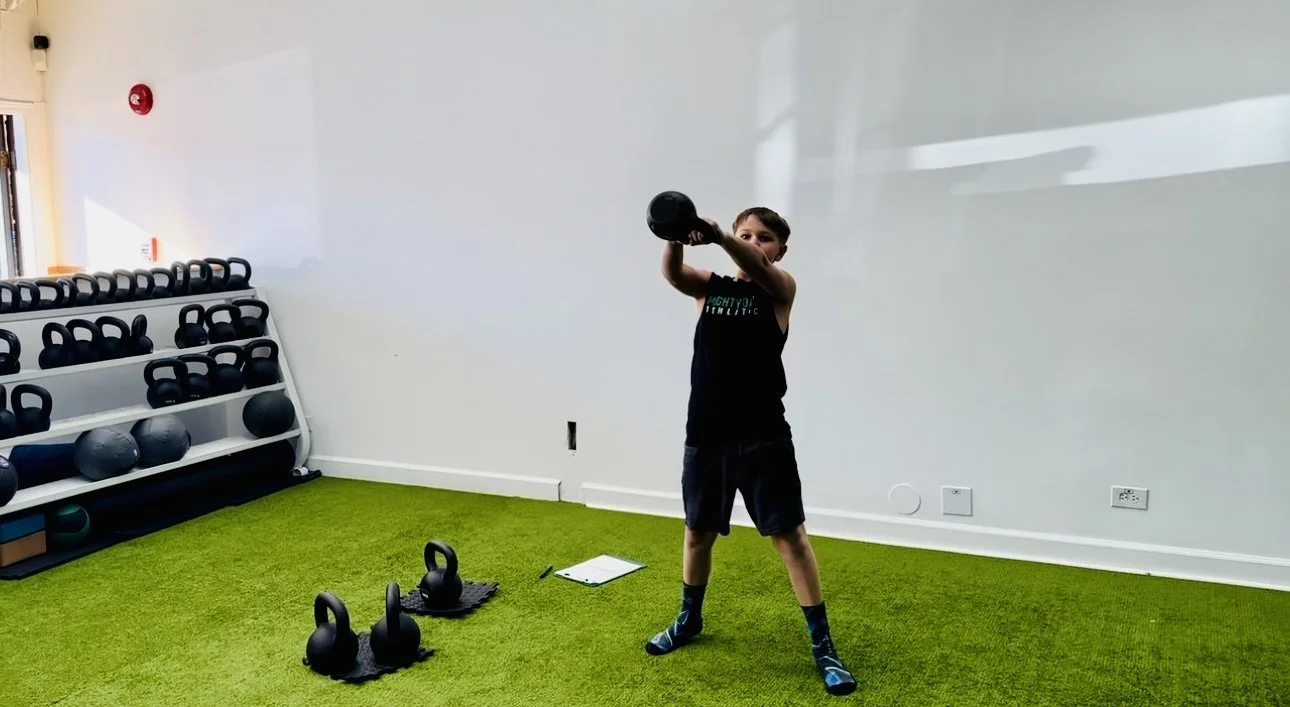
Four Movements for Explosive Power and Conditioning
In the realm of athletic performance, the development of explosive power and superior cardiovascular conditioning is vital.
Mighty Oak Athletic champions a holistic approach, integrating movements that enhance not only raw strength but also endurance, stability, and mobility.
Here we delve into four key bodyweight exercises: the squat jump, sumo squat jump, jump lunge switching legs, and the ice skater.
These exercises are pivotal in crafting athletes who are not just powerful but also agile, enduring, and resilient against injuries.
1. Squat Jump: Foundation of Explosive Power
The squat jump is a fundamental movement in building explosive power.
It involves a rapid transition from a squatting position to a high jump, engaging major muscle groups like the quads, glutes, and calves.
This explosive motion enhances fast-twitch muscle fibers, crucial for sudden bursts of power.
Additionally, repeated squat jumps elevate heart rate, significantly improving cardiovascular conditioning.
This blend of power and endurance is essential for sports requiring quick, intense movements, like basketball or volleyball.
2. Sumo Squat Jump: Enhancing Power and Stability
Building upon the traditional squat jump, the sumo squat jump introduces a wider stance, resembling a sumo wrestler's position.
This variation demands greater involvement of the inner thighs and glutes, fostering a more comprehensive development of lower body strength.
The wider stance also challenges balance and stability, training the body to maintain control during dynamic movements.
Athletes engaging in sports like soccer or martial arts benefit immensely from this enhanced power and stability.
3. Jump Lunge Switching Legs: Agility and Cardiovascular Boost
The jump lunge with switching legs is a dynamic, plyometric exercise that not only builds leg strength but also promotes agility and cardiovascular fitness.
The swift, alternating motion between lunge positions challenges both the aerobic and anaerobic systems, significantly boosting endurance.
This exercise also hones coordination and balance, which are essential for sports involving multi-directional movement, such as tennis or football.
4. Ice Skater: Mastering Lateral Power and Mobility
The ice skater exercise emulates the lateral movement of a speed skater, targeting the outer thighs, hips, and core.
This lateral jumping movement is pivotal in sports that require side-to-side agility, like hockey or basketball.
It enhances joint mobility, particularly in the ankles, knees, and hips, while also boosting cardiovascular conditioning.
The unilateral nature of the exercise ensures balanced development on both sides of the body, reducing the risk of injury.
Injury Prevention and Joint Health:
An often-overlooked aspect of athletic training is injury prevention.
The aforementioned exercises not only build power and conditioning but also focus on the stability and mobility of crucial joints like the ankles, knees, and hips.
This holistic approach to training ensures that athletes are not just performing at their peak but are also safeguarded against common sports-related injuries.
The integration of these four bodyweight exercises - the squat jump, sumo squat jump, jump lunge switching legs, and the ice skater - into an athlete's training regimen offers a comprehensive approach to enhancing explosive power, cardiovascular conditioning, and injury prevention.
Mighty Oak Athletic's philosophy embraces these movements to cultivate athletes who excel in power, endurance, and resilience, ready to dominate their respective sports arenas with vigor and vitality.

How to Trace the Evolution of Weightlifting from Ancient Stone Lifting to Modern Olympics
By Coach Mike Ockrim, CSCS, USA Weightlifting Level 1 Coach
Founder, Mighty Oak Athletic • Founder, Sunday Funday Sports • Author of Death Resistant, 13 Pounds in 30 Days, and Mighty Oak Athletic Nutrition
🏛️ Key Takeaways
People have been getting strong by lifting heavy things for thousands of years — ancient Greeks and Egyptians lifted stones to build and prove their strength.
The core idea — lift a little more over time — is captured in the famous legend of the wrestler Milo of Croton. It's a legend, but it points at a real principle: progressive overload.
That idea only became real science in the 1940s, when an American doctor used resistance training to rehabilitate wounded soldiers faster.
Today the American Academy of Pediatrics confirms strength training is safe and good for kids, with children as young as 5 able to build strength.
MOA uses this time-tested principle the modern, safe way — four movement patterns, starting at age 6.
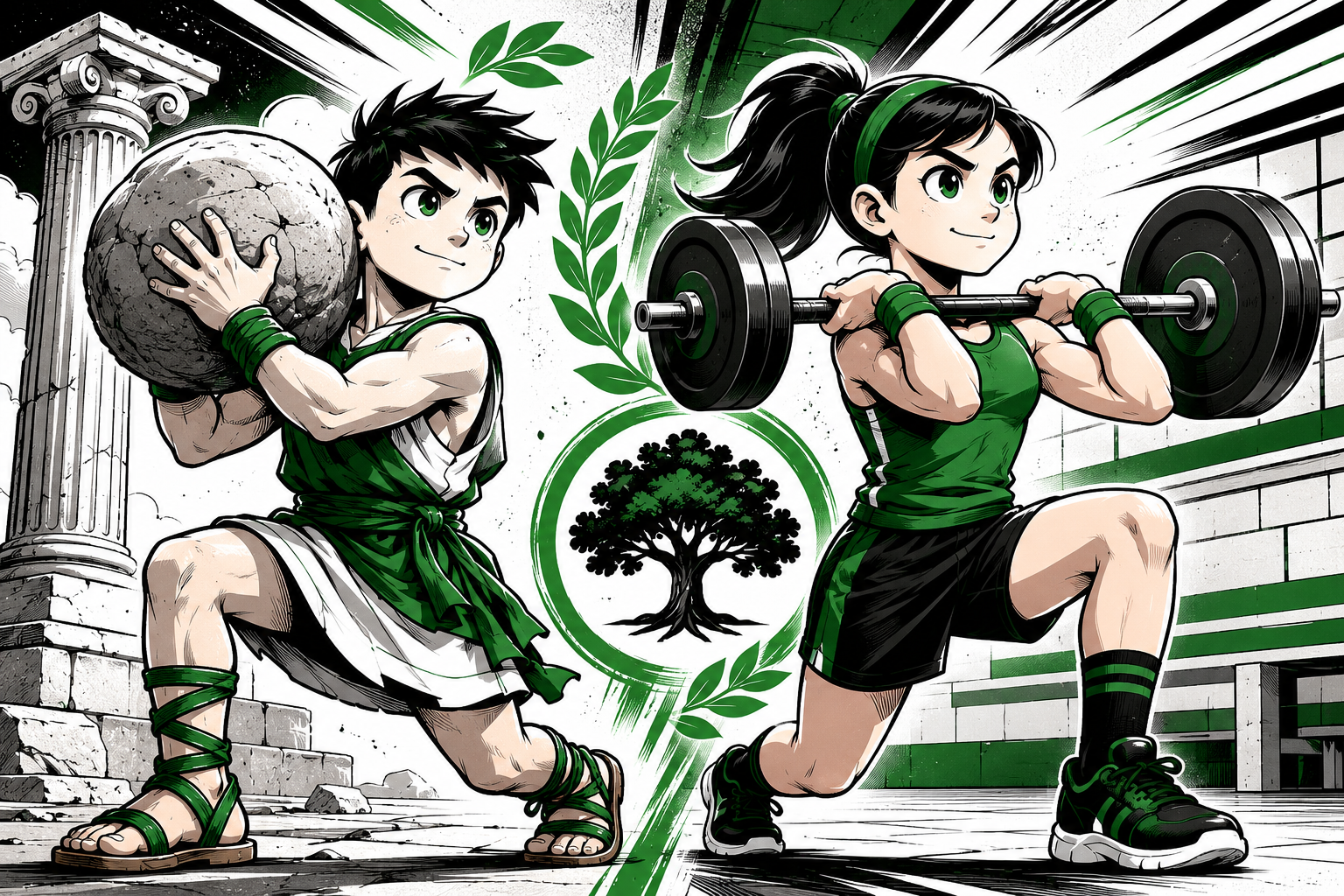
Long before there were gyms, dumbbells, or fitness apps, people figured out a simple truth: if you want to get strong, you pick up heavy things and you keep doing it. That idea is thousands of years old. The science behind it is surprisingly new. And at Mighty Oak Athletic in Westmont, we use both.
So how did we get from ancient strongmen to a safe, smart way to train a 6-year-old? It's a better story than you'd think.
The Ancient Roots
Strength training is about as old as civilization. Ancient Greeks and Egyptians lifted heavy stones to build their bodies and prove their power. Lifting wasn't a hobby — it was how you got useful, on the farm and on the battlefield.
The most famous strength story of all comes from ancient Greece: the wrestler Milo of Croton. Milo was real — a champion wrestler from the late 500s BC who won at the Olympic Games many times over. As the legend goes, young Milo lifted a newborn calf onto his shoulders and carried it. He did it again the next day, and every day after. As the calf grew heavier, Milo grew stronger, until one day he was carrying a full-grown bull.
Now, historians treat the bull story as legend, not a documented workout plan — the old writers told it to show off Milo's freakish strength, not to teach a method. But it captures something true and timeless: get a little stronger by lifting a little more, a little at a time. Coaches today call that progressive overload. It's the single most important principle in all of strength training.
When the Idea Became Science
For most of history, that principle was just folk wisdom. The sport of weightlifting got organized in the late 1800s — it was one of the very first sports in the first modern Olympic Games in Athens in 1896, and it became a permanent Olympic sport by 1920. But organized lifting and proven training science aren't the same thing.
The real turning point came in the 1940s. During World War II, hospitals were overwhelmed with wounded soldiers and short on beds. A doctor named Thomas DeLorme used heavy resistance exercise to rehabilitate those soldiers faster than anyone expected. In 1951, he and Dr. Arthur Watkins published their method — what we now call progressive resistance exercise. For the first time, the ancient idea behind the Milo legend had real numbers, real sets, and real proof behind it.
That's the leap: from a story about a man and a bull, to a measurable method a coach can use with anyone — including a kid.
What the Research Says Today
Here's where it gets relevant to your family. For years, parents worried that lifting might stunt a child's growth. The science says otherwise. The American Academy of Pediatrics, in its 2020 clinical report (reaffirmed in November 2024), found that well-designed resistance training has no shown negative effect on kids' growth plates, height, or heart health. It even notes that children as young as 5 can build strength with simple moves like hops and jumps.
In other words, the oldest idea in fitness is now one of the best-studied — and it's been given the green light for young athletes.
How We Use It at MOA
This is exactly how we train at Mighty Oak Athletic, and why we start kids at age 6. We take that 2,500-year-old principle and apply it the modern, safe way.
Every young athlete trains the four movement patterns that build real athletic performance: squat, hinge, press, and pull. We coach them with barbell, kettlebell, and bodyweight — all three, every session. And we apply progressive overload the smart way: master the movement first, add load only when a kid earns it, in small steps.
Progressive overload at home is simple, too. A child who can do 5 clean push-ups this month aims for 6 or 7 next month. A kid holding a plank for 20 seconds works toward 30. Same principle Milo's legend points at — just safe, gradual, and coached. (For the full ancient-to-modern angle, see our companion piece on how to train like a Roman warrior.)
It all lives inside our Death Resistant framework — Recovery, Movement, and Nutrition — because strength only sticks when sleep and food back it up.
Be Strong to Be Useful
The ancient Greeks didn't lift to look good in a mirror. They lifted to be capable — to carry the load and do the job. That's our whole philosophy at MOA: be strong to be useful. The tools have changed in 2,500 years. The goal hasn't.
Want to see the oldest idea in strength applied to your young athlete the modern way? Book a free trial at Mighty Oak Athletic in Westmont and let's build a strong, useful kid — one small step at a time.
Coach Mike Ockrim is the founder of Mighty Oak Athletic in Westmont, IL. He is a Certified Strength and Conditioning Specialist (CSCS) through the National Strength and Conditioning Association, a USA Weightlifting Level 1 Coach, and a USA Taekwondo Coach holding a 2nd-degree black belt. He has over 30 years of personal training experience and has taught group fitness at Life Time Fitness for more than 8 years. He is the author of three books: Death Resistant, 13 Pounds in 30 Days, and Mighty Oak Athletic Nutrition. MOA serves families in Westmont, Hinsdale, Clarendon Hills, Downers Grove, Darien, Burr Ridge, Oak Brook, Willowbrook, Lisle, Woodridge, La Grange, Western Springs, and the surrounding western Chicago suburbs.
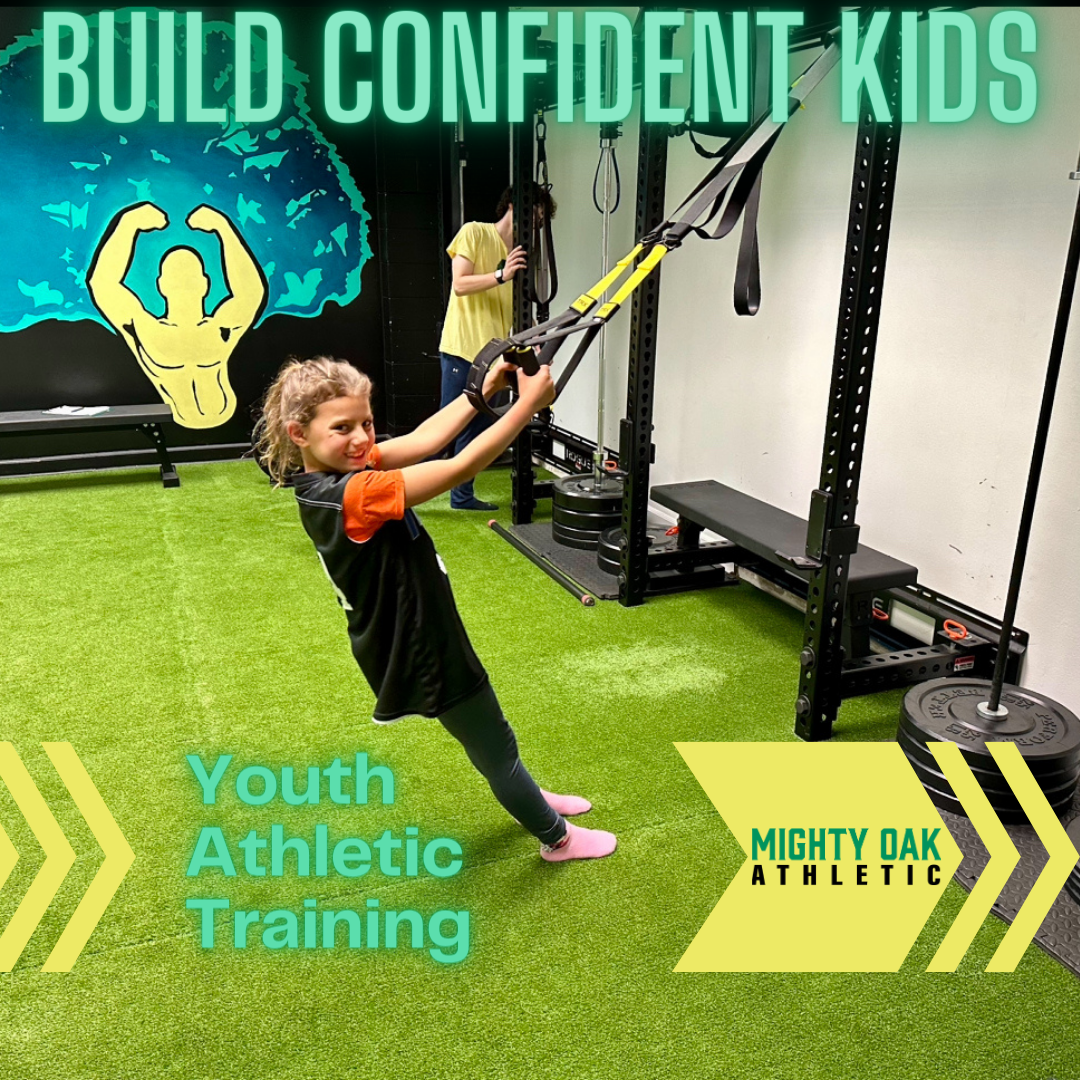
How To Build Confidence in Young Girls Through Strength Training
Empowering Young Girls Through Strength Training
In a world where young girls are often inundated with messages about how they should look and behave, strength training emerges as a powerful tool for building confidence and empowerment. Mighty Oak Athletic is committed to this cause, understanding the profound impact that physical strength can have on a young girl's self-perception and overall well-being.
Strength Beyond the Physical
The benefits of strength training extend far beyond physical fitness. As girls engage in strength training, they develop a sense of accomplishment and self-efficacy. Each milestone, whether it's lifting a heavier weight or mastering a new exercise, translates into a tangible proof of their abilities. This physical empowerment becomes a metaphor for overcoming challenges in other areas of life, fostering a mindset of resilience and capability.
Challenging Stereotypes
Strength training also plays a crucial role in challenging gender stereotypes. Traditionally, society has often associated physical strength with masculinity. By encouraging girls to participate in strength training, we help dismantle these outdated notions, showing that strength is not gender-specific but a human attribute. This shift in perception is crucial for young girls as they navigate a world still riddled with gender biases.
A Community of Support
At Mighty Oak Athletic, we believe in the power of community. When young girls train together, they form a supportive network, cheering each other on and celebrating each other's successes. This sense of belonging and camaraderie is invaluable in building confidence. Girls learn to appreciate and respect their bodies not for how they look, but for what they can do.
Long-Term Health Benefits
The health benefits of strength training for young girls cannot be overstated. It lays a foundation for lifelong fitness, reducing the risk of osteoporosis, obesity, and heart disease. It also instills healthy habits from a young age, emphasizing the importance of taking care of one's body.
Mental Health and Emotional Well-being
Strength training is not just about physical health; it’s also a powerful tool for mental and emotional well-being. The discipline and focus required in training help in developing a sense of inner strength. Girls often report feeling less stressed and more centered after participating in strength training sessions.
At Mighty Oak Athletic, we are proud to champion strength training for young girls. We believe that by building their physical strength, we are helping to build their confidence, resilience, and sense of self-worth. As they grow stronger, they learn that they are capable of anything they set their minds to, a lesson that will serve them well throughout their lives. Join us in empowering the next generation of strong, confident women.

The Ultimate Guide to Renting the Perfect Gym Space for Personal Trainers

Unleash the Power of Strength Training at Mighty Oak Athletic!
Attention strength coaches and personal trainers! Ready to elevate your training game in a space that's as dynamic as your workouts? Welcome to Mighty Oak Athletic – the trendsetting gym space for rent that's about to become your new fitness playground.
Nestled in the vibrant heart of Westmont, Illinois 60559, our gym is more than just a space; it's a fitness haven that's cooler than a polar bear's toenails. It's where fitness dreams come alive, and goals are not just met but exceeded with gusto.
Why Choose Mighty Oak Athletic?
Our gym space is tailor-made for those who thrive on strength and conditioning. Imagine open turf where your clients can sprint with the vigor of a cheetah in hot pursuit – that's the kind of adrenaline-pumping environment we offer.
But that's just the beginning. For the heavy lifters, the Herculean at heart, we're fully equipped with top-of-the-line Rogue racks, barbells, bumper plates, and kettlebells. It’s the perfect setup to channel your inner Hercules (minus the lions, of course).
More Than Just a Gym - A Community
Say goodbye to the mundane hunt for gym spaces. Mighty Oak Athletic is a revolution in fitness renting – as easy as swiping right on your favorite dating app. It's here that the stress of gym-hunting turns into the bliss of fitness fulfillment.
Our space isn't just about breaking a sweat. It's a thriving community of fitness enthusiasts where you can network, exchange workout tips, and who knows, maybe even find your swolemate.
The Ultimate Fitness Destination
So, grab your avocado toast and your trendiest athleisure wear. We're about to redefine your training experience. Our gym space is not just a facility; it's an empowering hub that inspires your clients to unleash their inner superhero and sculpt their bodies to Instagram-worthy perfection.
Join Us Today!
Don't settle for the mundane. Mighty Oak Athletic is your ticket to joining the fitness revolution. Rent our epic gym space, and step into a world where greatness isn’t just pursued – it’s achieved.
Contact Us Now!
Greatness is just a call or an email away. Reach out and take the first step towards transforming your training journey.
Mighty Oak Athletic
6424 S. Cass Ave., Westmont, Illinois, 60559
Call Us: 630-464-9498
Email: Coach@MightyOakAthletic.com
Join us, and together, let's make fitness history! 🏋️♂️🌟
How To Use Strength Training to Combat Age-Related Muscle Loss: Insights from U.S. Health Guidelines

How To Develop a Strength Training Routine That Aligns with U.S. Health and Human Services Guidelines
The United States Department of Health and Human Services' Physical Activity Guidelines for Americans provide comprehensive recommendations for various age groups, emphasizing the importance of regular physical activity, including strength training. These guidelines highlight that strength training is not just about building muscle mass; it plays a critical role in overall health and well-being.
Strength Training and Its Benefits
1. Building Strong Bones: Strength training activities, especially those that are weight-bearing like push-ups or climbing, are crucial for developing and maintaining bone density. This is particularly important as one ages, helping to prevent conditions like osteoporosis
2. *mStability and Balance: By enhancing muscle strength and endurance, strength training contributes significantly to better balance and stability. This is crucial for older adults, as it reduces the risk of falls and related injuries.
3. Weight Management: Muscle-strengthening activities are effective in weight control. By increasing muscle mass, the body burns more calories, even at rest, aiding in maintaining a healthy weight.
4. Countering Age-Related Muscle Loss: As people age, they naturally lose muscle mass. Engaging in regular strength training can counteract this loss, maintaining muscle function and strength throughout the lifespan.
5. Heart Health: While aerobic exercises are often highlighted for cardiovascular benefits, strength training also plays a role. It helps in managing conditions like hypertension and can improve overall heart health.
6. Boosting Longevity: Regular physical activity, including strength training, is associated with increased longevity. It helps in reducing the risk of various chronic diseases and improves quality of life.
Creating an At-Home Strength Program
Based on the exercises available on Mighty Oak Athletic's website, an at-home strength program can be developed using bodyweight exercises. The program can include:
1. Push-Ups: For upper body strength, focusing on the chest, shoulders, and triceps.
2. Squats: To strengthen the lower body, particularly the thighs, hips, and buttocks.
3. Planks: Core strengthening exercises that also benefit the back and shoulders.
4. Lunges: For lower body strength, targeting the thighs and glutes.
5. Jumping Jacks: A full-body workout that also serves as a cardiovascular exercise.
The program should aim for at least 60 minutes of moderate-to-vigorous intensity physical activity each day for youth ages 6 through 17, including muscle and bone-strengthening activities at least 3 days per week. For adults, the guidelines recommend at least 150 to 300 minutes of moderate-intensity aerobic activity and muscle-strengthening activities at least 2 days each week.
This at-home program can be tailored to individual fitness levels, with modifications for beginners and more challenging variations for those with more experience. Consistency and progression are key, gradually increasing the intensity and complexity of the exercises as strength and endurance improve.
Remember, before starting any new exercise regimen, it's advisable to consult with a healthcare provider, especially for individuals with pre-existing health conditions or those who have been inactive.
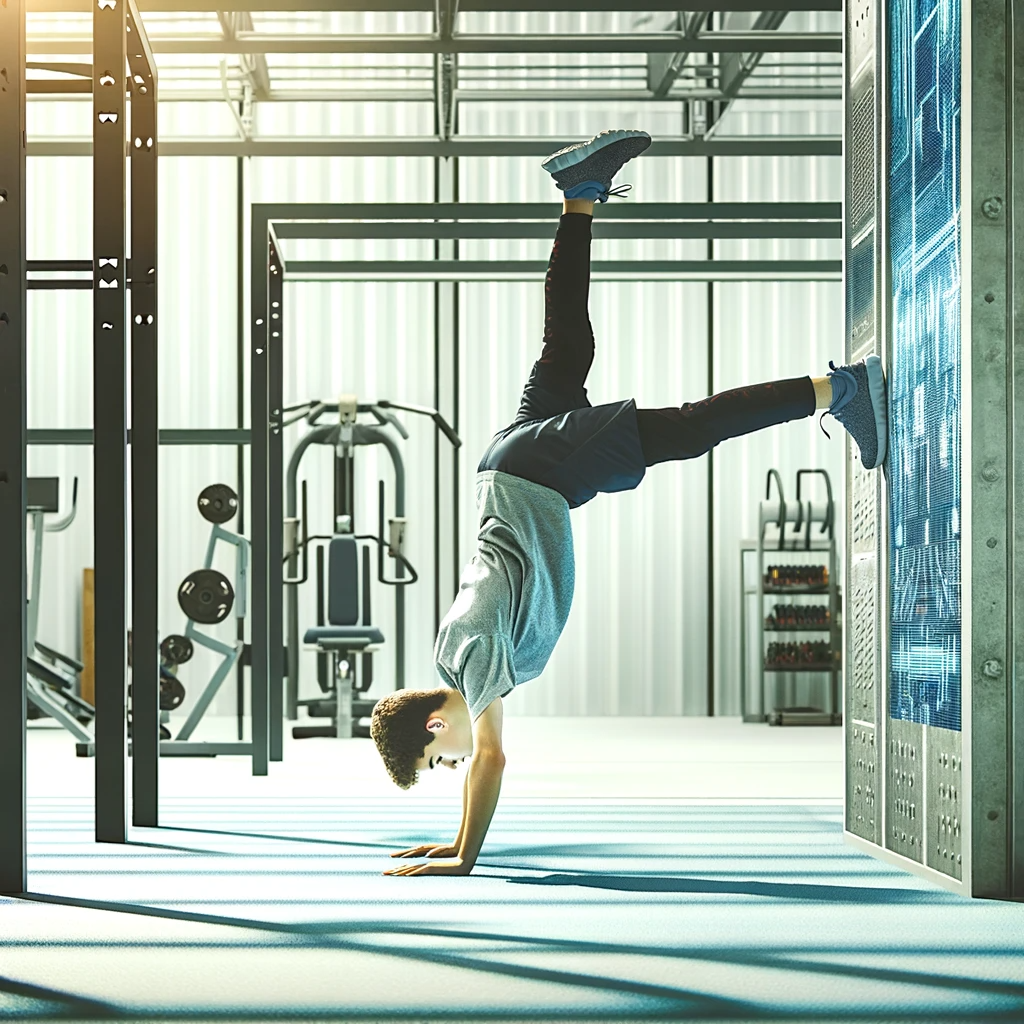
The Ultimate Guide to Mastering Push-Ups Using Just Your Staircase
Mighty Oak Athletic Push-Up Progression: Staircase to Strength
Mighty Oak Athletic's Push-Up Progression: Staircase to Strength is a transformative guide designed to master push-ups, an essential exercise for building upper body strength. Tailored for both beginners and seasoned athletes, this program takes you on a step-by-step journey to push-up proficiency.
1. Start with Ease: The program begins with hands-elevated push-ups using a staircase, ideal for beginners or those refining their form. This stage focuses on technique and gradual muscle engagement.

2. Progress at Your Pace: As you gain strength, you'll move down the stairs, increasing intensity and challenge. This gradual approach helps build steady strength and reduce injury risk.
3. Achieve Mastery: The goal is to perform 10 perfect push-ups at each stair level, ensuring strength and technique development. Mastery at each step ensures a well-rounded progression.

4. Reverse the Challenge: After mastering ground-level push-ups, the program intensifies by elevating your feet, adding a new dimension to your workout by engaging your core and upper body differently.

Mighty Oak Athletic's guide offers a safe and effective pathway to mastering push-ups, ensuring a balance of strength, endurance, and technique.
Each step in this journey is designed to bring you closer to your fitness goals, making push-ups a cornerstone of your workout regimen.
How To Utilize the Thanksgiving Break for Athletic Excellence

Elevate Your Strength and Agility This Thanksgiving with Mighty Oak Athletic
Thanksgiving isn't just a time for feasting; it's an opportunity to boost your physical prowess with Mighty Oak Athletic's Strength and Agility Camp. For just $50.00, you can embark on a transformative journey that reshapes your athletic abilities over the course of Thanksgiving Week. Designed for those aged 8 and up, our camp is an all-encompassing experience that promises not only physical growth but also a nurturing of lifelong fitness habits.
Unleash Your Potential in Just Five Days
Our five-day camp is more than just a series of workouts; it's a holistic approach to strength and agility training. The camp focuses on fundamental movements: press, pull, squat, and hinge, ensuring a comprehensive development of your muscular strength and endurance. This is not just about getting stronger; it's about evolving your entire approach to physical fitness.
What Makes Mighty Oak Athletic's Camp Unique?
- Expert Coaching: Our team of experienced coaches offers personalized guidance. They're not just instructors; they're mentors who will refine your technique, push your limits, and help you master the power lifts.
- Progressive Training: We believe in measurable improvement. Our systematic programs are designed to track and enhance your progress, ensuring you see real results.
- Holistic Development: It's not just about what you do during the camp but also about what you take away from it. We focus on instilling lifelong training habits, emphasizing overall well-being and not just immediate gains.
Who Should Join?
This camp is perfect for students and athletes who are eager to use the Thanksgiving break to enhance their physical performance. Whether you're preparing for upcoming sports seasons or just looking to elevate your fitness, our camp is tailored to help you achieve your goals.
Why Wait? Join Us Now!
With limited spots available, it's crucial to act fast. Sign up today and take the first step towards becoming a better athlete this Thanksgiving. Remember, this is more than a camp; it's a stepping stone to a stronger, more agile you. Plus, you'll get a training t-shirt included in the package!
Ready to Transform?
Don't miss out on this chance to Build Better Athletes. Click the link below to view the training schedule and secure your spot in our Thanksgiving Week Strength & Agility Camp.
What a 1992 High School Weight Room Taught Me About Confidence

Autumn in 1992 found me in a lull between sports seasons at Fenwick High School, my golf clubs collecting dust and the pool not yet beckoning for winter swim. It was during this idle time that I stumbled into the weight room, a place that would pivot the direction of my life. Here, I met Ray, a freshman like me, but already the starting fullback for our school's football team—a veritable force of nature.
Ray, with his impressive build, became my unwitting mentor into the formidable world of weightlifting. His patience was as strong as his physique; he walked me through the lifting landscape, from rudimentary grips to the subtle complexities of the sport. Under his tutelage, I grappled with a bench press routine that seemed to forge character as much as muscle: seven reps halfway down, another seven halfway up, followed by seven full ones to round off the set. It was a baptism by iron—an initiation that left my arms so sore I couldn't manage to raise them for gym class.
Yet, in the heart of that ache was a burgeoning love affair with challenge. It was a revelation, the idea that I was the sculptor of my own physique, that my efforts in the weight room were transmuted into visible, palpable changes. Amid the pain, I found my passion: strength training. Until that point, I was the average teenager—overindulgent in eating, sparing in exercise, just embarking on the tumultuous voyage of puberty. It was the perfect storm for a transformation.
This newfound dedication reshaped more than just my body; it reformed my spirit. From an unassuming, rather bookish boy, I emerged more confident, self-assured, and unafraid to chase after what I wanted. This metamorphosis transcended the physical; it was a mental overhaul, altering my self-image and, consequently, my worldview.
Under Ray's vigilant eye, my introduction to weightlifting was conducted with an emphasis on safety and proper form, something I would come to appreciate deeply as I progressed. The lessons learned in those early days went beyond the weights; they were about cultivating a mindset of self-belief, discipline, and resilience. As I mastered the techniques and felt my body strengthen, I was also training my mind to be adaptable and robust, attributes that would prove invaluable as I navigated the challenges of adolescence and beyond. It wasn't just about lifting; it was about lifting oneself up to meet life's demands with vigor and confidence.
The empowerment that sprang from the ability to mold my own change was profound, and I owe its genesis to Ray and that inaugural workout session. It's a testament to the studies that extol physical activity as a catalyst for endorphins, those natural mood enhancers. The rigor of our training provided a dependable routine, a conduit to achievement and stability, a counter to the whims of anxiety. It taught me, as it does other children, that surmounting physical hurdles was synonymous with overcoming emotional ones, diminishing the specters of depression and despair.
And so, the weight room at Fenwick High School became more than a space filled with metal and sweat; it became the crucible where I was forged into someone new—a person ready to take on the world.
Boosting Your Game Off-Field: The Impact of Strength Training on Sports Performance

Team Up for Triumph: The Mighty Oak Athletic Group Training Advantage
In the quest for athletic excellence, the strength of the team is each individual member, and the strength of each member is the team. At Mighty Oak Athletic, we embody this philosophy through our premier Team Training Experience — a program meticulously designed to not only cultivate physical prowess but to enhance the social, mental, and physical facets of sports performance.
The Program: Building Better Athletes™
Our program stands out with a clear mission: to Build Better Athletes™. This isn't just a tagline; it's our promise. With per-athlete pricing and a minimum team size of 10, we ensure a focused, personalized approach for every participant. Each session is an hour-long dedication to progress, accommodating up to 15 athletes, and sculpted to your team's unique scheduling needs.
Structured Progression for Peak Performance
We dive deep into a nine-phase, six-week tailored training curriculum that targets key athletic movements — pressing, pulling, squatting, and hinging. This strategic progression is aimed at solidifying strength, enhancing muscle tone, and advancing cardiovascular health, enabling athletes to reach and sustain their peak potential.
Beyond Physical Training: The Social, Mental, and Physical Synergy
Group training is the cornerstone of our program, fostering a sense of community, accountability, and shared goals. The camaraderie developed through group sessions creates a support system that encourages consistent attendance and effort. Social interactions in training can lead to lifelong friendships and a sense of belonging, crucial for mental well-being.
Mentally, athletes in a group setting learn resilience, discipline, and the importance of a growth mindset. The mental fortitude gained from pushing personal boundaries in a supportive environment translates to improved performance in competitive settings.
Physically, the benefits are vast. Team training offers a dynamic atmosphere that challenges athletes to push beyond their perceived limits. The energy of the group can elevate an individual’s performance, leading to greater overall gains.
Strength and Conditioning: The Foundation for Excellence and Safety
Strength and conditioning training are not mere supplements to sports performance; they are its foundation. Our program prioritizes these components to ensure that athletes are not only performing at their best but are also reducing the risk of injury.
Proper strength training enhances the body's stability and endurance, while conditioning ensures athletes can perform at high levels for extended periods. This combination is pivotal for injury prevention. By building a stronger, more resilient body, athletes can withstand the rigors of their sport and avoid the common pitfalls of overuse and trauma.
The Mighty Oak Athletic Commitment
At Mighty Oak Athletic, our dedication extends beyond the gym floor. We commit to nurturing well-rounded athletes who possess the physical, mental, and technical skills to excel in their sports endeavors and life. Our certified coaches bring expertise, passion, and a deep understanding of what it takes to achieve lasting success.
Join the Legacy
We invite you to experience the Mighty Oak Athletic difference. Our premier Team Training is more than a program; it’s a pathway to building athletic legacies. Whether it’s enhancing team dynamics, individual performance, or fostering a healthier, stronger community, Mighty Oak Athletic is your partner in the pursuit of excellence.
Enroll in our team training today, and let's start building not just better athletes, but stronger, more connected, and resilient individuals ready to face any challenge — on and off the field.
Transform potential into performance. Forge legacies. Grow with us at Mighty Oak Athletic.
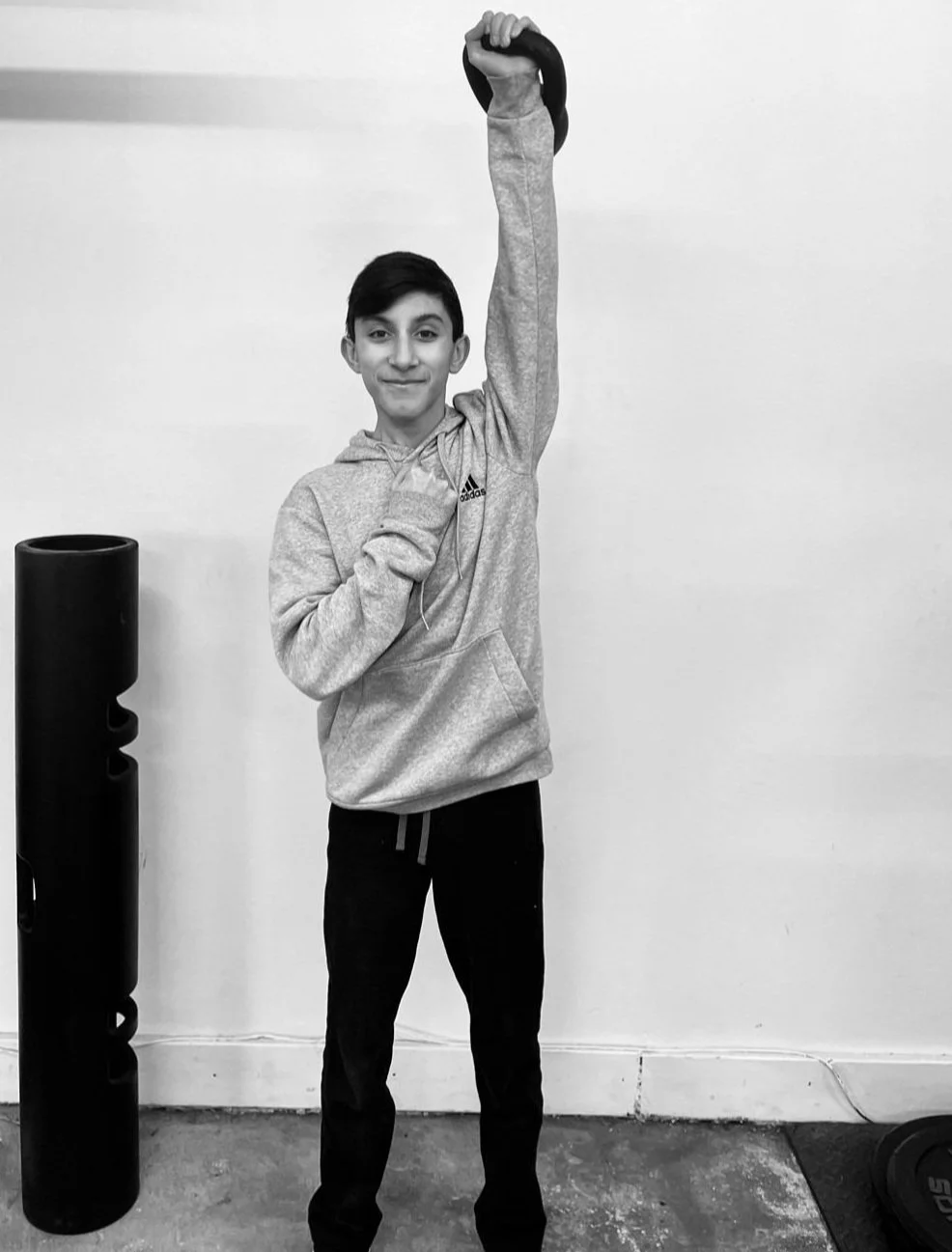
The Clean-Squat-Press: One Movement, Whole Body
Unlock Total Body Fitness with the Ultimate One-Move Workout!
Ever wondered if there's a magic movement that can transform your entire workout routine? Well, the secret's out — if I had to pick just one exercise to do for the rest of my life, it would unquestionably be the Clean-Squat-Press. This full-body powerhouse engages all major muscle groups and is the epitome of efficiency in fitness.
The All-in-One Fitness Solution
The Clean-Squat-Press stands out as a dynamic compound movement, offering a blend of benefits that's akin to performing three different exercises simultaneously. It's a solid choice for boosting muscular endurance, explosive power, and overall conditioning. This move is for everyone - whether you’re just starting out or you’re an experienced athlete, it's designed to push you to greater heights.
How to Incorporate the Clean-Squat-Press
- Warm-Up Wonder: Kick off with 10 reps to get your muscles warmed up and ready for any workout challenge.
- The Standalone Staple: When time is of the essence, 50 reps of this movement alone constitute a comprehensive workout that's both effective and time-efficient.
- The Fiery Finisher: Conclude your workout with an intense set of 20 reps to thoroughly "smoke" your muscles, leaving you with a sense of accomplishment.
Why It's Your Workout's MVP
The real magic of the Clean-Squat-Press lies in its adaptability and the intense level of engagement it requires. It's a muscle-building, calorie-burning activity that also hones coordination and agility. The complexity of the movement provides a mental challenge as well as a physical one, keeping your workout routine fresh and engaging.
Here's to achieving a stronger, fitter, and happier you with just one move!
Stone Lifting: What Ancient Strength Training Teaches Modern Athletes

The ancient practice of lifting stones, found in various cultures across the globe, serves as a testament to humanity's longstanding fascination with strength and physical prowess. In regions like Iceland, Scotland, the Basque Country, and Turkey, lifting stones were more than just a measure of one's physical capabilities; they were a rite of passage, a communal activity, and a living tradition that connected individuals to their heritage.
In Iceland, the tradition of stone lifting was intricately tied to a man's worth and capability in physical labor. Stones like the Fullsterkur and Hálfsterkur were not just boulders; they were benchmarks of strength and endurance. Meanwhile, in Scotland, the Dinnie Stones have transcended time, still challenging strongmen from around the world in the 21st century. The Basque Country's Harri-jasotzea and Turkey's rural stone lifting practices further illustrate the universality of this tradition.
Connecting these ancient practices to the modern day, Mighty Oak Athletic’s strength and conditioning training encapsulates the essence of these traditions through the use of kettlebells, barbells, and other strength-training tools. Just as the ancient stones varied in shape and size, so do the tools used in this contemporary training program, providing a variety of challenges that engage different muscle groups and aspects of physical fitness.
The use of these tools is not just a nod to the past; it is a revival of primal energies and techniques. In lifting a kettlebell or a barbell, one is not just engaging in physical exercise; they are participating in a timeless practice of strength, connecting with the ancient energies that fueled our ancestors. The form, the focus, and the physical exertion required mirror the ancient practices of stone lifting, bridging the gap between past and present.
In essence, the strength and conditioning training at Mighty Oak Athletic is more than just a fitness program; it is a living link to our ancient past, reviving and celebrating the primal energies and techniques that have been a part of human culture for centuries. Through the use of modern tools that closely approximate the challenges posed by the ancient lifting stones, participants are able to connect with and draw strength from these age-old traditions, fostering a sense of continuity and strength that transcends time.
How Eli Found His Tribe and Transformed at Mighty Oak Athletic

The Ultimate Guide to Finding Your Squad and Getting Stronger
Eli, a high school freshman with a love for everything from Model UN to fishing, felt he was missing something - a connection, a group where he could really belong. He wasn't the most confident guy around and often felt out of place in the sea of clubs and activities at school. That's when he found Mighty Oak Athletic in Westmont, IL, a cool place rumored to transform anyone willing to try.
Eli was excited but super nervous. He wanted to fit in, make friends, and get stronger, especially for the swim team. So, he decided to give it a shot, even if the idea of stepping into a new world was kind of intimidating.
Under Coach Mike’s guidance, Eli started to push through, learning and struggling, but never giving up. It was hard, really hard. Yet, being around other kids who were supportive made a huge difference.
Eli had to face his fear of failure and rejection. But the environment at Mighty Oak Athletic was different, warm, and accepting, and it helped him confront his insecurities.
Every workout was a battle, but not just with the weights. Eli was fighting his own doubts. But he was getting stronger, both inside and out, and started to believe in himself.
The more Eli trained, the more he changed. He wasn’t just building muscles; he was building confidence. He felt a sense of belonging he never felt before, and it showed in everything he did.
Eli’s change inspired others. His journey showed that change is possible with persistence and the right support. He proved that with every effort, you can become the person you want to be.
Eli’s story is a shoutout to all teens looking for their squad, their place in the world. Mighty Oak Athletic is more than just a gym; it's a place where you find your strength and your tribe.
Curious? Excited? Why wait! Come to Mighty Oak Athletic. Bring your energy and passion and get a free training session! Discover what you’re capable of, meet cool friends, and have a blast while doing it.
Remember, this isn’t just about lifting weights. It’s about lifting yourself up, finding your people, and owning your story. So, are you in? Come join Coach Mike and let’s start this journey together!
How To Boost Your Health with Mineral-Rich Foods

The Ultimate Guide to Natural Mineral Sources in Foods
Navigating nutrition is essential, especially when exploring vital elements like minerals. These elements are crucial for various body functions, from supporting bone health to facilitating nerve functions. While professionals seek to guide their clients, individuals aim to enhance their overall well-being. It's important to grasp the depth of minerals and where to find them in our diet. Before considering supplements, it's beneficial to source these minerals directly from our meals. Engage with this guide to understand the connection between essential minerals and their food sources, and learn to nourish your body naturally.
Main Points on Minerals:
- Essential for human body growth and proper functioning.
- Required in small amounts daily.
- Primarily obtained from food.
- Consuming through diet is more effective than supplements.
Specific Minerals and Their Food Sources:
Boron
- Purpose: Aids in muscle function, bone health, and cognitive function.
- Sources: Apples, pears, grapes, leafy greens, nuts, legumes.
Calcium
- Purpose: Builds and maintains strong bones.
- Sources: Kale, okra, cheese, yogurt.
Chloride
- Purpose: Maintains fluid balance and aids in digestion.
- Sources: Sea salt, tomatoes, celery, olives, seaweed.
Chromium
- Purpose: Enhances metabolism and improves insulin sensitivity.
- Sources: Mussels, broccoli, beef, Brazil nuts.
Cobalt
- Purpose: Part of vitamin B12 and aids in red blood cell formation.
- Sources: Animal products like meats, fish, and poultry.
Copper
- Purpose: Develops red blood cells, supports nerves.
- Sources: Beef liver, oysters, mushrooms, lobster, kale.
Fluoride
- Purpose: Strengthens teeth and prevents oral bacteria growth.
- Sources: Black tea, coffee, shrimp, raisins, oatmeal.
Iodine
- Purpose: Supports thyroid function.
- Sources: Cod, tuna, shrimp, seaweed, iodized salt.
Iron
- Purpose: Develops hemoglobin and myoglobin.
- Sources: Dark meat poultry, beef, oysters.
Magnesium
- Purpose: Assists enzyme reactions, regulates blood pressure.
- Sources: Halibut, spinach, potatoes, almonds, cashews.
Manganese
- Purpose: Helps form connective tissue and hormones.
- Sources: Mussels, rice, chickpeas, hazelnuts, spinach, pineapple, potatoes.
Molybdenum
- Purpose: Breaks down toxins.
- Sources: Black eye peas, lima beans, potatoes, bananas.
Nickel
- Purpose: Involved in nutrient metabolism.
- Sources: Whole grains, nuts, dried beans, chocolate.
Phosphorus
- Purpose: Forms strong bones and teeth.
- Sources: Turkey, sardines, seeds, Brazil nuts, quinoa, lentils.
Potassium
- Purpose: Regulates fluid balance.
- Sources: Spinach, broccoli, bananas, potatoes, mushrooms, peas, cucumbers.
Selenium
- Purpose: Protects the thyroid.
- Sources: Brazil nuts, ham, turkey, eggs, brown rice, sunflower seeds.
Silicon
- Purpose: Supports bones, skin, hair, and nails.
- Sources: Whole grains, root vegetables, beer, drinking water.
Sodium
- Purpose: Conducts nerve impulses, aids muscle function.
- Sources: Sea salt.
Sulfur
- Purpose: Makes and repairs DNA, improves skin.
- Sources: Duck, scallops, kidney beans, walnuts, cheese, oats, coconut milk, ginger.
Vanadium
- Purpose: Involved in bone growth and blood sugar control.
- Sources: Mushrooms, shellfish, black pepper, parsley.
Zinc
- Purpose: Boosts immunity, aids wound repair.
- Sources: Oysters, crab, pork, baked beans, pumpkin seeds, cashews.
Munching on Minerals: Delicious Recipes that Fuel and Nourish
Breakfast: Spinach & Mushroom Omelette with Yogurt Parfait
Minerals targeted: Calcium, Iron, Magnesium, Potassium, Selenium, and Zinc
Ingredients:
- 2 eggs (source of Iron, Selenium)
- 1 cup fresh spinach (source of Magnesium, Iron)
- 1/2 cup mushrooms (source of Selenium, Potassium)
- 1/4 cup feta cheese (source of Calcium)
- 1 cup Greek yogurt (source of Calcium)
- Handful of Brazil nuts (source of Selenium, Zinc)
- Fresh berries of choice
- Honey or maple syrup (optional)
Instructions:
1. Whisk eggs and pour into a pan over medium heat.
2. Add spinach and mushrooms and cook until eggs are set.
3. Sprinkle feta cheese on top and fold the omelette in half.
4. For the parfait, layer Greek yogurt, berries, Brazil nuts, and a drizzle of honey or maple syrup in a glass or bowl.
Lunch: Quinoa & Roasted Vegetable Salad
Minerals targeted: Magnesium, Manganese, Phosphorus, Potassium, Zinc
Ingredients:
- 1 cup cooked quinoa (source of Manganese, Phosphorus, Magnesium)
- Assorted roasted vegetables (broccoli, kale, tomatoes) (source of Potassium, Calcium)
- 1/4 cup pumpkin seeds (source of Zinc, Magnesium, Phosphorus)
- Feta cheese, crumbled
- Olive oil, lemon juice, salt, and black pepper for dressing
Instructions:
1. In a large bowl, combine quinoa and roasted vegetables.
2. Sprinkle pumpkin seeds and feta cheese on top.
3. Drizzle with a dressing made from olive oil, lemon juice, salt, and black pepper. Mix well before serving.
Dinner: Grilled Tuna Steak with Garlic Spinach and Mashed Sweet Potatoes
Minerals targeted: Iodine, Magnesium, Potassium, Iron, Calcium
Ingredients:
- Tuna steaks (source of Iodine, Selenium)
- 2 cups fresh spinach (source of Magnesium, Iron)
- 2 sweet potatoes (source of Potassium)
- 2 cloves garlic, minced
- Olive oil, salt, and pepper
- A sprinkle of cheddar cheese (source of Calcium)
Instructions:
1. Grill tuna steaks to desired level of doneness.
2. Sauté spinach in olive oil with minced garlic until wilted.
3. Boil sweet potatoes until tender. Mash with a bit of olive oil, salt, and pepper.
4. Serve tuna steaks with a side of garlic spinach and mashed sweet potatoes. Sprinkle cheddar cheese on top of the mashed potatoes for added flavor.
Snack: Nut & Seed Trail Mix
Minerals targeted: Selenium, Magnesium, Phosphorus, Zinc
Ingredients:
- 1/4 cup Brazil nuts (source of Selenium)
- 1/4 cup almonds (source of Magnesium)
- 1/4 cup sunflower seeds (source of Phosphorus, Selenium)
- 1/4 cup pumpkin seeds (source of Zinc, Magnesium, Phosphorus)
- Dried fruits of choice (raisins, apricots, cranberries)
Instructions:
1. Combine all nuts, seeds, and dried fruits in a bowl.
2. Store in an airtight container and enjoy a handful when you need a nutritious snack!
The Surprising Reason Why Off-Ice Training is Essential for Every Hockey Player

Off-Ice Training for Superior Hockey Performance
Hockey, a sport of unparalleled speed, strategy, and physicality, demands players to be at their peak performance every time they step onto the ice. While on-ice training is crucial for mastering puck control, shooting, and tactical plays, off-ice training holds the key to creating well-rounded athletes equipped to shine in every facet of the game. At Mighty Oak Athletic, we champion the value of off-ice training for every hockey enthusiast, from budding novices to seasoned pros. Here's why.
Injury Prevention:
In the high-impact world of hockey, injuries aren't just possible; they're probable. Through off-ice training, players can fortify their bodies to better withstand the rigors of the game. Proper strength and conditioning exercises target the stabilizing muscles, reducing the risk of sprains, strains, and muscle tears. Moreover, athletes are educated on proper body mechanics and movements to avoid undue stress on their joints and ligaments.
Improved Strength:
Hockey is as much a game of force as it is finesse. The power behind a slapshot, the might in a defensive check, and the strength to maintain puck control amidst challenges all originate from off-ice strength training. By focusing on core strength, lower body power, and upper body fortitude, players can dominate their opponents with superior strength, generated from countless hours spent away from the rink.
Enhanced Mobility & Agility:
Being strong is one thing, but having the mobility and agility to maneuver around opponents, swiftly change direction, and maintain an optimum skating posture is quite another. Off-ice training incorporates dynamic stretching, plyometrics, and agility drills that refine a player's nimbleness and flexibility.
Bursting Speed:
Speed kills – especially in hockey. The difference between scoring a goal or getting checked often boils down to fractions of seconds. With targeted plyometric and sprinting drills, players can boost their acceleration and overall speed, ensuring they always have the edge over their opponents.
Enduring Stamina:
Hockey is a game of intermittent bursts of intense activity. For a player to maintain high performance from the first whistle to the last, cardiovascular endurance is paramount. Off-ice aerobic and anaerobic exercises ensure that players have the tank to outlast, outplay, and outperform their competition.
Why Mighty Oak Athletic?
The answer lies in our holistic, player-centric approach. We understand hockey, and more importantly, we understand hockey players. Our training programs are not just generic fitness regimens; they are meticulously crafted blueprints tailored to meet the unique demands of the sport. By merging science, experience, and passion, Mighty Oak Athletic offers solutions that transform passionate players into formidable athletes.
So, why wait to unlock your full potential on the ice? Whether you're an individual looking to elevate your game or a team aiming to seize the championship, Mighty Oak Athletic is your destination for transformation.
Discover what off-ice training can do for you! Drop by for a FREE training session or inquire about our exclusive group training programs for teams. Because at Mighty Oak Athletic, we don't just make players; we forge champions.
Stone Soup Smoothies: Blending Up Nature's Toughest Ingredients

The Mighty Oak of Minerals: An Unseen Force from Rock to Body
Perhaps it's because we don't imagine rocks being a critical part of our diets that we often overlook the profound importance of minerals in our everyday lives. The Mighty Oak, with its grand stature and deep roots, serves as an apt metaphor for the often unseen and underappreciated role of minerals in our health and athleticism. Just as the Mighty Oak draws sustenance and strength from the ground, our bodies derive critical nutrition from minerals that trace their origin to the very rocks beneath our feet.
When rocks break down, they do more than just scatter and dissipate. They release a plethora of minerals into the soil—magnesium, potassium, calcium, and iron, to name a few. These minerals are the bedrock of nutrition, the unsung heroes that fuel the vibrant tapestry of life on our planet. As crops grow, they reach out with their roots like tiny hands, grasping these minerals and incorporating them into every leaf, stem, and fruit.
And when we consume these plants, or the animals that have feasted on them, we are indirectly partaking in the bounty of the earth's crust. We are, in essence, consuming the energy and strength of the rocks themselves. Think of it: every burst of speed on the track, every lift of a weight, every agile move on the field, is powered in part by these rock-derived minerals.
Our bones, mirroring the sturdiness of the Mighty Oak, rely heavily on calcium—a mineral with its genesis in the very rocks we so casually walk upon. Our muscles contract and relax in a dance of athleticism, thanks to the presence of magnesium and potassium. Our blood carries oxygen efficiently due to the iron coursing through it. These minerals, unassuming as they may seem, are the underpinnings of our athletic prowess.
However, in a world awash with dietary trends and superfoods, it's easy to forget the basics. We chase after the newest supplements, often overlooking the simple and organic sources of nutrition lying in our backyards. A return to the basics, an appreciation for the earth's natural gifts, might be the key to unlocking our full athletic potential.
The next time you lace up your sneakers for a run or take to the field, remember the Mighty Oak. Remember how it stands tall, drawing strength from the unseen minerals in the ground. And remember that you, too, carry within you the power of the rocks, the strength of the earth, transformed into human potential through the intricate ballet of nature's processes. The minerals, silent and steadfast, are truly the unsung champions of our athletic endeavors.
Stone Smoothies: Blending Up Nature's Toughest Ingredients
The "Rocky Road to Radiance" Smoothie
This smoothie will not only rock your taste buds but also provide a mineral-rich punch! Let's blend up nature's toughest and most nourishing ingredients.
Ingredients:
1. 1 cup of spinach: Packed with iron and calcium, it's the leafy bedrock of our smoothie.
2. 1 medium-sized banana: An excellent source of potassium, it adds a creamy texture reminiscent of soft clay.
3. 2 tbsp chia seeds: These tiny seeds are a powerhouse of calcium and magnesium, and they give a nod to our gritty theme!
4. 1 tbsp sesame seeds: More calcium! Plus, they add a delightful crunch as if you’re sipping on sand (the good kind).
5. 5-6 almonds: These nuts are oozing with magnesium, resembling little pebbles with a nutrient punch.
6. 1 cup almond milk: Keeping up with the stone theme, almond milk provides a silky base.
7. 1/2 cup blueberries: These berries are a good source of iron and add a lovely hue to our blend.
8. 1 tsp spirulina: This blue-green algae is a mineral jackpot! Plus, it makes our smoothie look like a dazzling gemstone.
9. A dash of Himalayan pink salt: Mined from ancient sea beds, this salt not only balances the sweetness but also boasts numerous minerals and trace elements.
10. A drizzle of honey or maple syrup (optional): For those who need a little sweetness in their stony sips!
Instructions:
1. Rock Prep: Start by soaking the chia seeds in a small bowl with 3 tablespoons of water. They will begin to form a gel-like consistency, almost like tiny, edible pebbles!
2. Blending Bedrock: In a blender, combine the spinach, banana, blueberries, spirulina, and almond milk. Blend until smooth and creamy.
3. Pebble Toss: Add the chia seed gel, sesame seeds, and almonds to the mix. Pulse a few times to keep a bit of crunch in your drink.
4. Final Touch: Season with a dash of Himalayan pink salt and sweeten with honey or maple syrup if desired.
5. Pour and Present: Pour into a glass, garnish with a sprinkle of chia and sesame seeds on top, and sip your way to a mineral-rich day!
This quirky concoction not only pays homage to our beloved rocks but also offers a delightful, nutritious boost. Here's to blending the unblendable and sipping on nature's finest! 🪨🥤