
How to Train Like a Roman Warrior: A Modern Student-Athlete's Guide
Mighty Oak Athletic Podcast S3:E88 - How to Train Like a Roman Warrior

By Coach Mike Ockrim, CSCS, USA Weightlifting Level 1 Coach
Founder, Mighty Oak Athletic • Founder, Sunday Funday Sports • Author of Death Resistant, 13 Pounds in 30 Days, and Mighty Oak Athletic Nutrition
🏛️ Key Takeaways
The Roman writer Vegetius described soldiers training with practice weapons made about twice as heavy as the real ones — an early version of progressive overload, the same idea Mighty Oak Athletic uses with barbells and kettlebells today.
Roman recruits trained for at least four months before they were accepted. Strength has always been a long game, not a quick fix.
MOA builds young athletes around four movement patterns — squat, hinge, press, and pull — using barbell, kettlebell, and bodyweight work in every session.
MOA starts kids at age 6, right inside the 5-to-7 window the American Academy of Pediatrics supports for youth strength training.
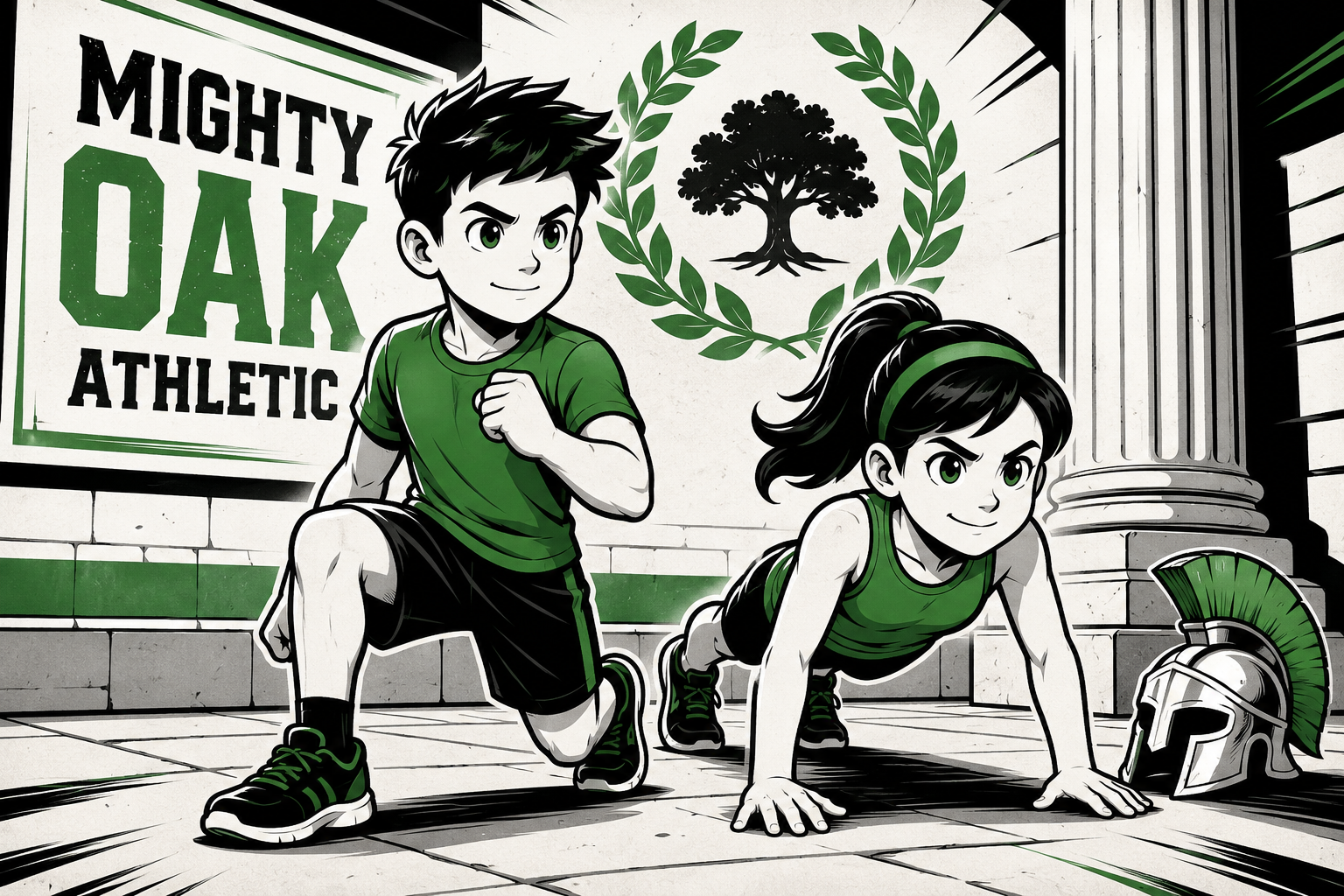
You can start at home today with the 20-minute "Legion Workout" below: lunges, step-ups, hollow holds, bear crawls, push-ups, and planks.
Two thousand years ago, a Roman legionary could march all day in armor, build a fortified camp by nightfall, and stand in a battle line the next morning. He wasn't born that way. He was built that way — one training session at a time.
Here's the part that surprises people: a lot of what made that soldier strong is the same thing that makes a young athlete strong today. The tools have changed. The principles haven't.
So how do you train like a Roman warrior? You don't hand your kid a sword. You borrow the four things the Romans got right — lift a little heavier over time, master a few simple movements, carry the load, and keep showing up. At Mighty Oak Athletic in Westmont, that's the whole game.
What the Romans Actually Did
Most of what we know comes from a writer named Vegetius, whose De Re Militari is the major surviving guide to how Rome trained its army. He wrote it as a kind of "greatest hits" of Roman discipline, so we treat it as a set of principles rather than a day-by-day workout log. But the principles hold up remarkably well.
Vegetius described recruits drilling against a tall wooden post called the palus — the same strikes, over and over, until the movement was automatic. They practiced with wooden swords and wicker shields built to be about twice the weight of real gear, so the real thing felt light by comparison. They marched roughly twenty Roman miles — close to eighteen of ours — in five hours, carrying their packs. They ran, jumped, swam, and vaulted. And no one was accepted into the ranks until he'd trained hard for at least four months.
Strip away the armor and you're left with four ideas any coach today would recognize: progressive overload, movement mastery, loaded carries, and patient consistency.
The Four Patterns Behind the Legion
At MOA, every young athlete trains the four movement patterns that build real athletic performance: squat, hinge, press, and pull. We express them with barbell, kettlebell, and bodyweight work — all three, every single session.
The Roman connection is the method, not the equipment. Those heavier-than-real practice weapons? That's progressive overload — adding a little load over time so the body adapts. We do the same thing with a barbell, moving up in small, safe jumps as a kid earns it. The endless reps at the palus? That's movement mastery — we'd rather a child own a clean squat than chase a flashy max. The marched packs? That's the loaded carry, one of the most useful, real-world strength builders there is. And four months before acceptance? That's the long game, and it's stamped on everything we do.
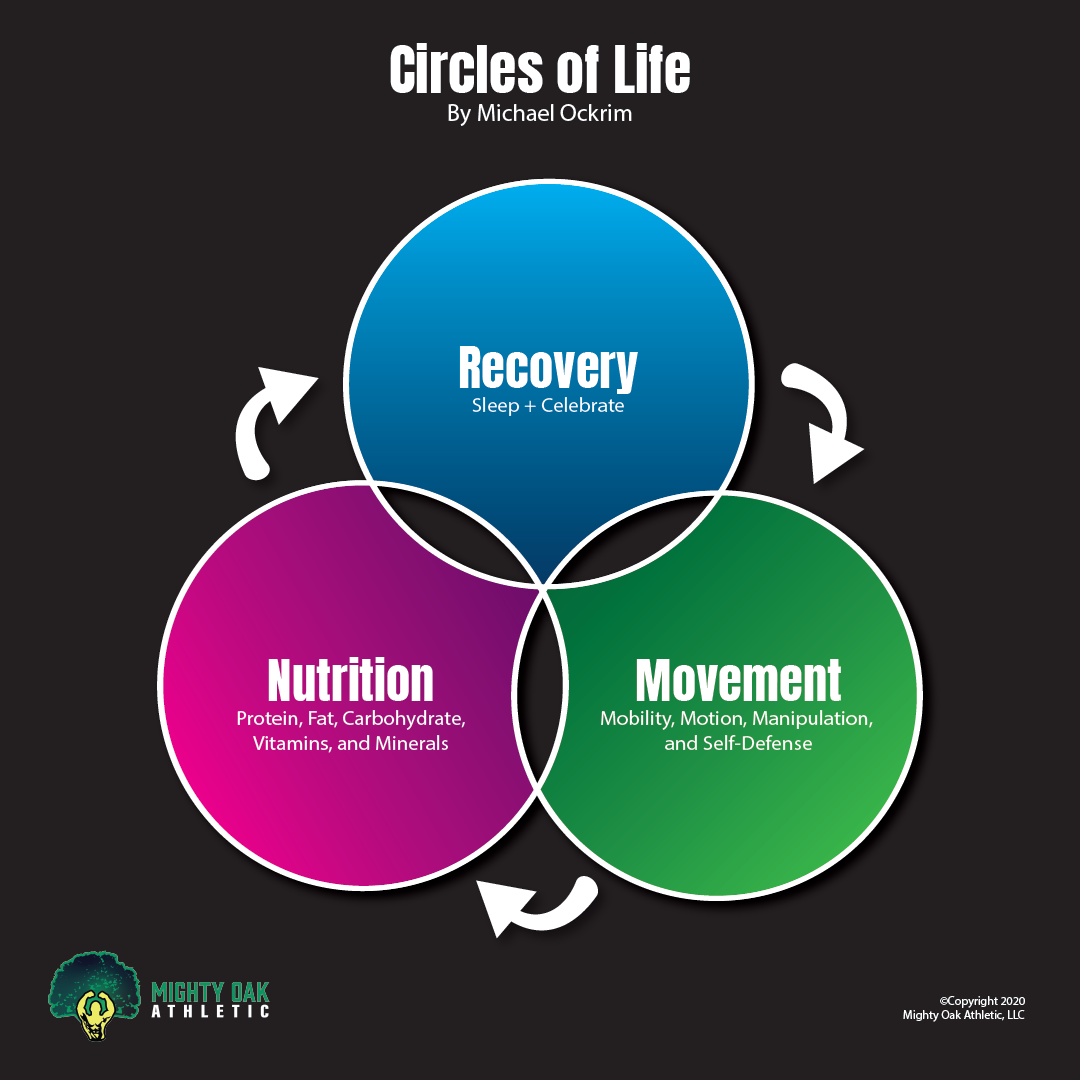
Recovery, Movement, Nutrition
Our Death Resistant framework runs on three circles: Recovery, Movement, and Nutrition. The Romans lived it without knowing the words for it. They rested between campaigns. They moved constantly. They ate to fuel the work. Pull any one circle out and the soldier breaks down. Same with your athlete. Strength training is the Movement circle — but it only sticks if sleep and food are doing their jobs too.
The 20-Minute Legion Workout (At Home)
You don't need a single weight to start. This bodyweight session hits all four patterns and takes about 20 minutes. Move slow, breathe, and focus on clean form.
Walking Lunges — 2 rounds of 10 per leg (squat pattern, single-leg strength)
Step-Ups onto a sturdy stair or low bench — 2 rounds of 10 per leg (hinge + balance)
Push-Ups — 3 rounds of as many clean reps as possible (press pattern)
Bear Crawls — 3 rounds of 20 steps forward and back (carry + full-body control)
Hollow Body Holds — 3 rounds of 20 seconds (core, the legion's true center of gravity)
Plank — 3 rounds of 20–30 seconds (carry the load without moving)
Rest about a minute between rounds. Do it twice a week and you've built a Roman habit: simple work, repeated, until it gets easy — then made a little harder.
Why We Start at Age 6
A lot of gyms make families wait until middle school to start. We don't, and the research is why. The American Academy of Pediatrics supports strength training for kids in the 5-to-7 window using bodyweight and light resistance. We open the door at 6 because the science opens the door at 5 — and because every year a kid waits is a year of movement development they don't get back. Romans started young, too. So do we.
Be Strong to Be Useful
The point of all this was never the battlefield, and it isn't the trophy case either. The Romans trained to be useful — to carry the load, hold the line, and do the job when it mattered. That's our whole philosophy at MOA: be strong to be useful. A kid who can squat, hinge, press, pull, and carry is a kid who's ready for whatever sport, school, and life throw at them.
Want to see what it looks like in person? Book a free trial at Mighty Oak Athletic in Westmont and let's build your young legionary — one session at a time.
Coach Mike Ockrim is the founder of Mighty Oak Athletic in Westmont, IL. He is a Certified Strength and Conditioning Specialist (CSCS) through the National Strength and Conditioning Association, a USA Weightlifting Level 1 Coach, and a USA Taekwondo Coach holding a 2nd-degree black belt. He has over 30 years of personal training experience and has taught group fitness at Life Time Fitness for more than 8 years. He is the author of three books: Death Resistant, 13 Pounds in 30 Days, and Mighty Oak Athletic Nutrition. MOA serves families in Westmont, Hinsdale, Clarendon Hills, Downers Grove, Darien, Burr Ridge, Oak Brook, Willowbrook, Lisle, Woodridge, La Grange, Western Springs, and the surrounding western Chicago suburbs.
How to Transform Your Athletic Ability in 28 Minutes: The 4x4 Training Method
The Ultimate Guide to Boosting Sports Performance with 4x4 Interval Training
In the realm of sports and athletics, training methodologies that optimize performance while minimizing injury risk are the Holy Grail. The 4x4 Interval Training protocol emerges as a compelling strategy, offering a potent blend of high-intensity exertion and strategic recovery. This essay delves into the manifold benefits of 4x4 training for sports performance and injury prevention, culminating in an accessible at-home workout designed for athletes at all levels.
The 4x4 Training Protocol Explained
At its core, 4x4 Interval Training comprises four sets of four-minute exercises executed at high intensity, each followed by a three-minute recovery period. This results in a total duration of approximately 28 minutes, neatly segmenting the workout into periods of strenuous effort and rest. Such a structure ensures a comprehensive engagement of both the aerobic and anaerobic systems, crucial for enhancing overall athletic performance.
Enhancing Sports Performance
1. Improved Cardiovascular Efficiency: The aerobic component of 4x4 training significantly enhances cardiovascular health, increasing the heart's capacity to pump blood and deliver oxygen to muscles more efficiently. This improvement translates to greater stamina and endurance on the field or court, allowing athletes to maintain peak performance for longer periods.
2. Anaerobic Benefits: The high-intensity nature of the 4-minute bursts targets the anaerobic system, improving speed, power, and muscle endurance. This is particularly beneficial in sports requiring sudden, explosive movements, as it trains the body to perform optimally in both sustained and short-duration efforts.
3. Versatility and Adaptability: The 4x4 protocol's structure allows for considerable flexibility in exercise selection, making it applicable across a wide range of sports and activity levels. This versatility ensures athletes can tailor the training to their specific sport, focusing on relevant muscle groups and energy systems.
Promoting Injury Prevention
1. Balanced Muscular Development: By incorporating a diverse range of exercises, 4x4 training promotes balanced muscular development, reducing the risk of overuse injuries common in sports. The balanced engagement of muscle groups ensures no single area is overburdened, contributing to a more resilient musculoskeletal system.
2. Enhanced Recovery and Adaptation: The interspersed recovery periods are not merely pauses in exertion but are critical for physiological adaptation and recovery. These intervals help reduce the accumulation of lactic acid, mitigating the risk of muscle strains and enhancing the body's ability to repair and strengthen in response to the training stimulus.
3. Preconditioning for High-Intensity Efforts: Regularly engaging in 4x4 training prepares the body for the high-intensity demands of competitive sports, reducing the shock to the system during actual competition. This preconditioning is crucial for avoiding acute injuries that often result from unaccustomed, explosive efforts.
At-Home 4x4 Workout Plan
This at-home 4x4 workout plan requires no equipment and can be modified to suit various fitness levels:
1. Set 1: Burpees - Perform burpees for four minutes at a high intensity, followed by three minutes of walking in place to recover.
2. Set 2: Squat Jumps - Execute squat jumps for four minutes, aiming for maximum height with each jump. Follow with three minutes of light stretching.
3. Set 3: Push-Ups - Do push-ups for four minutes, maintaining a steady pace. Recover with three minutes of deep breathing and arm stretches.
4. Set 4: Mountain Climbers - Engage in mountain climbers for four minutes, focusing on speed and form. Conclude with a three-minute cool-down, incorporating gentle stretching.
The 4x4 Interval Training protocol stands as a beacon for athletes seeking to elevate their performance while fortifying their defenses against injuries. Its balanced approach to intense exertion and recovery paves the way for significant gains in cardiovascular health, muscular endurance, and overall athletic capability. By integrating the above at-home 4x4 workout into their regimen, athletes can experience these benefits firsthand, paving the way for success in their chosen sports while ensuring their well-being remains paramount. Mighty Oak Athletic champions this holistic approach, recognizing that true athletic prowess is not merely about winning but thriving - on and off the field.
Weight Training for People With Visual Impairments
How to Empower Individuals with Visual Impairments Through Weight Training
Mighty Oak Athletic recognizes the transformative power of physical activity, especially weight training, for individuals with visual impairments. This essay draws inspiration from Helen Keller's perspective on the challenge of blindness, emphasizing not the condition itself, but the risk of succumbing to idleness. In the United States, over half a million people are legally blind, yet the primary barrier to their engagement in physical activity is not a lack of ability but rather a lack of opportunity. Weight training emerges as a particularly accessible form of physical activity for those with visual impairments, offering both the chance to enhance physical fitness and the option to compete in specialized and able-bodied competitions alike.
Developing effective weight-training programs for individuals with visual impairments involves addressing several critical considerations to ensure both safety and effectiveness. Athletic trainers and program developers must first understand the individual's vision history, residual vision capabilities, and the cause of their vision loss. This information is vital for designing programs that accommodate each athlete's unique needs and for navigating the weight room—a potentially challenging environment due to hazards such as protruding weight bars and misplaced dumbbells.
The risk of further vision loss, particularly in conditions like glaucoma, where physical strain could exacerbate intra-ocular pressure, necessitates a cautious approach. While research continues to clarify the relationship between weight training and intra-ocular pressure, erring on the side of safety remains paramount.
Despite these challenges, weight training offers immense benefits for individuals with visual impairments, including improved muscle strength, endurance, posture, mobility, and overall fitness. It supports better spatial awareness and body understanding, which are crucial for moving safely and independently. Selected exercises for weight training focus on developing not only strength but also coordination, stability, agility, and kinesthetic sense, always under supervision to ensure correct technique and safety.
Lower-body exercises like step-ups and deadlifts emphasize the development of the quadriceps, hamstrings, gluteals, and improve posture and balance—critical for individuals whose dynamic balance may be compromised. Upper-body exercises such as bench presses target the pectorals, deltoids, and triceps, enhancing overall strength and control, with specific adaptations to ensure safety and effectiveness for those with visual impairments.
Mighty Oak Athletic is committed to making strength training accessible and beneficial for everyone, including individuals with visual impairments. By carefully designing and implementing weight-training programs that consider the unique needs and safety of these athletes, we aim to break down barriers to physical activity and promote a healthier, more active lifestyle for all. Through such initiatives, we honor the spirit of overcoming idleness and celebrate the potential within each individual to achieve their physical best, regardless of visual capabilities.
At-Home Strength Training Program for Individuals with Visual Impairments
Mighty Oak Athletic is dedicated to ensuring everyone has the opportunity to benefit from physical activity. Inspired by the idea that the primary challenge is not blindness but the risk of idleness, we've designed an at-home bodyweight strength training program suitable for individuals with visual impairments. This program focuses on safety, effectiveness, and the unique needs of visually impaired athletes, promoting muscle strength, endurance, posture, mobility, and overall fitness.
Warm-Up (5-10 minutes)
- March in place: Focus on raising your knees and warming up your body.
- Arm circles: Extend your arms and make small to large circles to warm up your shoulders.
- Side bends: Stand with your feet shoulder-width apart and gently lean your body side to side to stretch your torso.
Bodyweight Workout
1. Squats (3 sets of 10-15 reps)
- Stand with your feet shoulder-width apart, extend your arms in front for balance, and lower yourself as if sitting back into a chair. Keep your knees behind your toes and push back up to the starting position.
2. Modified Push-Ups (3 sets of 8-12 reps)
- Start in a kneeling position with hands slightly wider than shoulder-width apart. Lower your chest towards the floor, then push back up to the starting position. Keep your body straight and core engaged.
3. Lunges (3 sets of 10 reps per leg)
- Step forward with one leg, lowering your hips until both knees are bent at about a 90-degree angle. Ensure your front knee is directly above your ankle, and your other knee doesn't touch the floor. Push back to the starting position and switch legs.
4. Plank (3 sets, hold for 20-30 seconds)
- Begin in a push-up position but with your elbows on the ground and your body straight from head to heels. Hold this position, engaging your core muscles.
5. Glute Bridge (3 sets of 12 reps)
- Lie on your back with your knees bent and feet flat on the floor. Lift your hips towards the ceiling, squeezing your glutes at the top, then slowly lower back down.
6. Seated Leg Raises (3 sets of 10 reps per leg)
- Sit on a chair with your back straight. Extend one leg at a time, raising it as high as possible. Lower it back down and switch legs.
Cool Down and Stretch (5-10 minutes)
- Arm stretches: Bring one arm across your body and use the other hand to press it towards your chest. Switch arms.
- Leg stretches: While seated, extend one leg and lean forward, reaching towards your toes. Switch legs.
- Neck and shoulder rolls: Gently roll your shoulders and neck to release tension.
Safety Tips
- Ensure your workout area is clear of obstacles.
- Use tactile or audio cues for guidance if needed.
- Focus on form and technique rather than speed.
- Hydrate before, during, and after your workout.
This at-home training program from Mighty Oak Athletic aims to provide a safe, effective way for individuals with visual impairments to stay active, improve fitness, and overcome the barriers to physical activity.
Build Mental Toughness and Physical Strength with the Single-Arm Kettlebell Clean, Squat, and Press
The single-arm kettlebell clean, squat, and press is a compound movement that offers a myriad of benefits for athletes, particularly those engaged in disciplines that require a combination of strength, power, flexibility, and coordination. This exercise not only enhances sports performance through the development of these physical attributes but also through the improvement of functional movement patterns relevant to various athletic endeavors. In this essay, we will explore the benefits of the single-arm kettlebell clean, squat, and press for sports performance, focusing on its impact on strength and power, mobility and stability, coordination and balance, injury prevention, and mental toughness.
Strength and Power
The single-arm kettlebell clean, squat, and press is a full-body movement that challenges and develops muscular strength and power. The clean component targets the posterior chain muscles, such as the hamstrings, glutes, and lower back, which are essential for explosive movements like jumping and sprinting. The squat portion engages the quadriceps, hamstrings, and glutes, building leg strength that is vital for athletes in sports requiring running, jumping, or rapid direction changes. The press phase strengthens the shoulders, triceps, and core, contributing to upper body power crucial for throwing, swimming, or striking. By combining these elements, the exercise enhances overall muscular strength and power, directly translating to improved athletic performance.
Mobility and Stability
The dynamic nature of the single-arm kettlebell clean, squat, and press requires and develops a significant range of motion in the joints, particularly the hips, knees, and shoulders. This increased mobility allows athletes to perform movements more efficiently and with greater ease. Additionally, the unilateral aspect of the exercise challenges and improves stability throughout the core and the supporting muscles around the joints. This enhanced stability is crucial for maintaining proper form and alignment during athletic movements, reducing the risk of injury and improving performance.
Coordination and Balance
Performing the single-arm kettlebell clean, squat, and press requires a high degree of coordination and balance. Athletes must synchronize their movements to lift the kettlebell smoothly and maintain control throughout the exercise. This coordination of muscle groups and balance training is directly applicable to sports, where athletes often need to perform complex movements under varying degrees of balance and stability. Improved coordination and balance can lead to more precise and efficient movements in the athletic arena.
Injury Prevention
The compound nature of the single-arm kettlebell clean, squat, and press addresses and strengthens the body in a holistic manner, reducing muscle imbalances that can lead to injuries. By engaging multiple muscle groups and joints through a full range of motion, the exercise promotes functional strength and flexibility, which are key components of injury prevention. Additionally, the emphasis on unilateral training helps identify and correct asymmetries between the body's sides, further reducing the risk of injury.
Mental Toughness
Beyond the physical benefits, the single-arm kettlebell clean, squat, and press also develops mental toughness. The complexity and intensity of the exercise challenge athletes mentally, requiring focus, determination, and resilience. Overcoming these challenges in training can enhance mental fortitude, which is invaluable in competitive situations. The confidence gained from mastering such a multifaceted movement can translate into improved performance under pressure.
The single-arm kettlebell clean, squat, and press is a versatile and efficient compound movement that offers substantial benefits for athletes across a broad spectrum of sports. By improving strength and power, mobility and stability, coordination and balance, and by contributing to injury prevention and mental toughness, this exercise is a powerful tool in the athletic performance enhancement arsenal. Incorporating the single-arm kettlebell clean, squat, and press into training regimes can lead to significant gains on the field, court, track, or pool, ultimately elevating an athlete's performance to new heights.
At-Home Strength and Conditioning for Student Athletes
Strength and Conditioning for Student Athletes: A Path to Enhanced Performance and Injury Prevention
Strength and conditioning training is integral to the comprehensive development of student athletes, offering myriad benefits that extend far beyond the playing field. This essay delves into how strength and conditioning programs enhance sports performance, with a focus on specific examples related to various sports and sports movements. It also highlights the pivotal role of such training in injury prevention, tailored to particular sports. Finally, we provide an accessible at-home training program that requires no equipment, ensuring student athletes can maintain their conditioning, even outside the gym.
Enhancing Sports Performance Through Strength and Conditioning
Strength and conditioning programs are meticulously designed to improve the physical capabilities of student athletes, directly impacting their sports performance. For instance, in sports like basketball and volleyball, vertical jump is a critical skill. Plyometric training, a component of strength and conditioning, has been shown to significantly increase vertical jump height. This is due to the improvement in lower body strength and explosive power, enabling athletes to perform better in jump-intensive movements.
Similarly, in track and field, sprinters benefit immensely from strength training, particularly exercises that target the glutes, hamstrings, and quadriceps. Enhanced muscle strength and power in these areas can lead to faster acceleration and overall sprint speed, directly impacting race performance.
In team sports such as soccer and football, agility and endurance are vital. Strength and conditioning training that focuses on core strength, leg strength, and cardiovascular conditioning can improve an athlete's ability to perform high-intensity, multidirectional movements, while also enhancing their stamina over the duration of a game.
Injury Prevention Through Targeted Training
One of the most significant benefits of strength and conditioning for student athletes is the reduction in the risk of sports-related injuries. For example, anterior cruciate ligament (ACL) injuries are common in sports that involve sudden stops and changes in direction, such as soccer and basketball. Strength training that targets the muscles surrounding the knee, like the hamstrings and quadriceps, can provide increased stability and support to the knee joint, thereby reducing the likelihood of ACL injuries.
Shoulder injuries are prevalent in sports that involve overhead motions, such as swimming and baseball pitching. Incorporating exercises that strengthen the rotator cuff and scapular stabilizers can help in preventing such injuries by ensuring proper shoulder mechanics and reducing the strain on the shoulder joint during overhead activities.
At-Home Training Program for Student Athletes
Recognizing the challenges of maintaining conditioning outside a traditional gym setting, here is an effective at-home training program designed for student athletes, requiring no equipment:
1. Squats: A foundational exercise that targets the lower body, enhancing strength and stability. Squats improve power and explosiveness, beneficial for virtually all sports. Perform 3 sets of 12-15 repetitions.
2. Push-Ups: This exercise strengthens the chest, shoulders, and triceps, crucial for sports that require upper body strength, such as swimming and basketball. Aim for 3 sets of 10-15 repetitions, adjusting the number based on your fitness level.
3. Shoulder Tap: A strong core is essential for stabilizing the entire body, improving athletic performance, and preventing injuries. Hold a plank position for 30 seconds to 1 minute, performing 3 sets.
4. Glute Bridges: Targeting the glutes and hamstrings, this exercise supports lower back health and enhances power in lower body movements. Complete 3 sets of 12-15 repetitions.
5. Cardiovascular Conditioning (High Knees or Plyometric Jumps): These movements improve cardiovascular health, agility, and explosive power. Perform high knees or plyometric jumps for 30 seconds to 1 minute, aiming for 3-5 sets.
Incorporating this at-home training program into their routine can help student athletes maintain their conditioning, enhance sports performance, and prevent injuries, all without the need for specialized equipment. By dedicating time to strength and conditioning, student athletes can unlock their full potential, achieving both personal and team success.
The Surprising Benefits of Agility Training for Kids: More Than Just Speed and Flexibility
Agility training for kids is a pivotal component of athletic development, offering myriad benefits that extend beyond the playing field. Mighty Oak Athletic, renowned for its comprehensive strength and conditioning programs, stands at the forefront of fostering young athletes' potential, optimizing their sports performance, and crucially, minimizing their risk of injury. This essay delves into how agility training, as a cornerstone of Mighty Oak Athletic's approach, catalyzes the evolution of student athletes into more proficient, resilient, and dynamic competitors.
The Essence of Agility Training
Agility training encompasses exercises and drills designed to improve an athlete's ability to change direction, speed, and position efficiently. This type of training enhances coordination, balance, speed, and reflexes, which are critical elements in virtually every sport. For children and adolescents, whose motor skills are in a formative stage, agility training offers a golden opportunity to lay a solid foundation for athletic prowess.
Mighty Oak Athletic's Approach to Agility Training
Mighty Oak Athletic integrates agility training into its strength and conditioning programs with a multifaceted approach. Recognizing the unique developmental stages of young athletes, the programs are tailored to address age-appropriate physical and cognitive milestones. This individualized approach ensures that each student athlete receives the optimal blend of training to enhance their agility.
1. Customized Training Regimens: Understanding that every child's physiological development and athletic goals are distinct, Mighty Oak Athletic crafts personalized training plans. These plans not only aim to improve agility but also focus on overall strength and conditioning, providing a holistic approach to athletic development.
2. Focus on Fundamental Movement Skills: The programs emphasize mastering fundamental movement skills—such as running, jumping, and changing direction—before progressing to more complex and sport-specific agility drills. This progression ensures that young athletes build a comprehensive skill set that serves as the foundation for advanced athletic endeavors.
3. Incorporation of Cutting-edge Technology and Techniques: Utilizing the latest in sports science, Mighty Oak Athletic employs innovative training methods and equipment to enhance the effectiveness of agility training. From wearable technology to analyze movement patterns to equipment that simulates sport-specific scenarios, these tools provide athletes with feedback that is instrumental in refining their agility.
Benefits Beyond Agility
The agility training programs at Mighty Oak Athletic yield benefits that extend far beyond improved agility:
- Enhanced Sports Performance: Agility is a critical determinant of success in many sports. By improving their ability to quickly change direction, accelerate, and decelerate, student athletes can outmaneuver opponents, making them more effective and valuable team members.
- Injury Prevention: A well-developed agility not only enhances performance but also plays a significant role in injury prevention. Agility training strengthens the muscles, tendons, and ligaments, making them more resilient to the stresses encountered during sports activities. Moreover, the improved balance and coordination help athletes avoid falls and other incidents that could lead to injury.
- Psychological Benefits: Participating in agility training and witnessing personal improvement can significantly boost a young athlete's confidence and mental toughness. These psychological benefits are critical for children and adolescents, as they navigate both the challenges of competitive sports and the complexities of growing up.
Agility training for kids, as exemplified by the programs at Mighty Oak Athletic, is not merely about enhancing athletic performance; it's about cultivating well-rounded, resilient, and confident individuals. Through its comprehensive and tailored approach, Mighty Oak Athletic not only improves agility but also lays the groundwork for lifelong fitness, injury prevention, and personal development. In the competitive and often demanding world of youth sports, agility training stands out as a beacon of holistic athletic and personal growth.
The 5BX Method: Fitness in 11 Minutes a Day
The 5BX (Five Basic Exercises) program, developed by Bill Orban in the late 1950s for the Royal Canadian Air Force (RCAF), represents a pioneering approach to fitness. Its core philosophy emphasizes the efficiency of exercise, underscoring that a high level of physical fitness can be achieved without the need for specialized equipment or extensive time commitments. This principle was particularly advantageous for RCAF pilots stationed in remote locations, ensuring they could maintain their fitness with minimal resources. The program, structured around six charts of increasing difficulty, incorporates five exercises designed to enhance flexibility, strength, and aerobic capacity within a concise, eleven-minute daily routine. These exercises include stretching, sit-ups, back extensions, push-ups, and running in place, with alternatives such as walking or running available for the last exercise. The global acclaim of the 5BX, evidenced by the sale of over twenty-three million guidebooks, attests to its effectiveness and broad applicability across different fitness levels and conditions.
Recognizing the timeless value of the 5BX program, Mighty Oak Athletic proposes an adapted version that aligns with contemporary fitness knowledge and practices. This revised iteration maintains the original program's objectives of enhancing flexibility, strength, and aerobic fitness while incorporating modern exercise science to ensure safety and effectiveness. The modifications include replacing traditional toe-touching stretches and sit-ups with exercises like the hollow body hold and glute bridge, catering to beginners and offering safer alternatives for individuals with specific health concerns, such as spinal disc issues. Additionally, the updated version presents scalable options for the aerobic component, ensuring inclusivity for a wider range of fitness levels.
Mighty Oak Athletic's Adaptation of the 5BX Program for Home Use:
1. Warm-Up (Flexibility): Start with dynamic stretches to prepare the body for exercise, focusing on movements that enhance joint mobility and muscle elasticity. Examples include arm circles, leg swings, and gentle torso twists.
2. Core Strengthening (Hollow Body Hold): Replace traditional sit-ups with the hollow body hold to strengthen the core muscles safely. Begin by lying flat on your back, then lift your shoulders and legs off the ground, extending your arms towards your feet, and hold this position. Start with shorter durations and gradually increase as your strength improves.
3. Lower Back (Glute Bridge): To strengthen the lower back and glutes, perform glute bridges. Lie on your back with knees bent and feet flat on the floor. Lift your hips towards the ceiling, squeezing your glutes at the top, then lower back down.
4. Upper Body Strength (Push-Ups): Push-ups remain a staple for upper body strengthening. Beginners can start with knee push-ups or wall push-ups, progressively moving to standard push-ups as strength improves.
5. Aerobic Exercise (Scalable Running in Place): Tailor the intensity of the aerobic component to your fitness level. Options range from marching in place for beginners to high-knee running in place for more advanced individuals. This can be adjusted by altering speed and duration to suit individual fitness goals.
The Mighty Oak Athletic version of the 5BX program is designed for at-home use, requiring no specialized equipment and minimal space. It embodies the principle that effective workouts can be both time-efficient and accessible, making fitness attainable for everyone, from beginners to advanced athletes. This adaptation not only honors the original program's spirit but also enhances it with safer, more inclusive exercises that reflect current fitness standards. Through this modernized approach, Mighty Oak Athletic aims to inspire a new generation to embrace fitness as a vital component of their daily routine, leveraging the proven effectiveness and adaptability of the 5BX program to meet today's health and wellness needs.
11-Minute Mighty Oak Athletic Fitness Program
Warm-Up (2 minutes)
- Dynamic Stretches: Start with 1 minute of arm circles (30 seconds forward, 30 seconds backward) followed by 1 minute of alternating leg swings (30 seconds each leg).
Core Strengthening - Hollow Body Hold (2 minutes)
- Preparation: Lie on your back, arms extended overhead, and legs straight.
- Exercise: Lift your shoulders and legs off the ground, reaching your hands towards your feet. Hold for 20 seconds, then rest for 10 seconds. Repeat for a total of 4 sets.
Lower Back - Glute Bridge (2 minutes)
- Preparation: Lie on your back with knees bent and feet flat on the floor, arms by your sides.
- Exercise: Raise your hips towards the ceiling, squeezing your glutes at the top. Hold for 3 seconds, then lower back down. Perform as many repetitions as possible in 2 minutes with proper form.
Upper Body Strength - Push-Ups (2 minutes)
- Exercise: Start with knee push-ups or wall push-ups for beginners, aiming for proper form. Advanced individuals can opt for standard push-ups. Do as many push-ups as you can in 2 minutes, maintaining good form throughout.
Aerobic Exercise - Running in Place (3 minutes)
- Exercise: Begin with a moderate pace, gradually increasing intensity. For the first minute, march in place to get the heart rate up. For the next minute, transition to a jog, lifting your knees higher. In the final minute, aim for high-knee running in place, pushing for maximum effort.
Program Notes:
- Transition quickly between exercises to keep the heart rate up and maximize the workout's effectiveness within the 11-minute timeframe.
- Focus on form to ensure each exercise is performed safely and efficiently, reducing the risk of injury.
- Adjust intensity based on your fitness level. The program is designed to be scalable, allowing individuals at different fitness levels to benefit from the workout.
This program leverages the principles of the 5BX program, emphasizing efficiency and the ability to maintain a high level of fitness with a short, daily commitment. By following this 11-minute routine, individuals can work towards achieving a balanced level of fitness that incorporates flexibility, strength, and aerobic conditioning without the need for specialized equipment or extensive time commitments.
Why Calluses Help in Strength Training
The journey towards physical strength and prowess, particularly in the domain of strength training, is often marked by the formation of calluses on one's hands. These small areas of thickened, hardened skin are not just badges of honor for the dedicated athlete but serve practical benefits, reflecting the body's remarkable ability to adapt and protect itself. However, understanding the balance between benefiting from calluses and maintaining hand health is crucial for any athlete, especially those under the banner of Mighty Oak Athletic, where strength, resilience, and care are equally valued.
The Formation of Calluses: A Natural Armor
Calluses form as a result of repeated friction, pressure, or irritation. In the context of strength training, gripping barbells, dumbbells, kettlebells, or engaging in activities like pull-ups and deadlifts, subjects the skin of the hands to considerable stress. The body, in its wisdom, responds by thickening the skin in these areas, creating a natural armor that reduces sensitivity and increases the ability to handle heavy loads. This physiological adaptation is a testament to the body's capacity to endure and thrive under stress, mirroring the ethos of Mighty Oak Athletic, where pushing limits is a fundamental philosophy.
The Benefits: Beyond Protection
The benefits of calluses extend beyond mere protection. They signify the body's adaptation to the rigors of strength training, allowing athletes to increase their training intensity and volume without the hindrance of pain or discomfort. This is crucial for progressive overload, a principle that underlines strength and muscle growth. Furthermore, the presence of calluses can improve grip strength and stability, enabling athletes to perform lifts with greater efficiency and safety. For a Mighty Oak athlete, calluses are not just physical adaptations but symbols of dedication, resilience, and progress.
Hand Maintenance: The Balancing Act
While calluses are beneficial, proper hand maintenance is essential to prevent them from becoming counterproductive. Overly thick calluses can be painful, crack, or even tear, potentially leading to infections or interfering with the ability to train effectively. Thus, hand care becomes a critical aspect of an athlete's regimen. This involves regular moisturizing to keep the skin supple, and gentle filing to keep calluses smooth and prevent them from becoming too thick. Additionally, protecting the hands during particularly heavy or high-friction training sessions with gloves or athletic tape can be wise, not as a sign of weakness but as a strategic measure to ensure longevity in the sport.
For Mighty Oak athletes, understanding and respecting the body's adaptations while ensuring proper care reflects a broader philosophy of strength through balance. It's about pushing the limits while also listening to and caring for the body, ensuring that progress towards strength and physical achievement is sustainable and healthy. The journey of a strength athlete is not just about building muscle or lifting weights; it's about fostering resilience, discipline, and care, both for the self and for the community of fellow athletes. In this light, calluses are not just a physical manifestation of hard work but a metaphor for the strength, adaptability, and care that defines the Mighty Oak Athletic spirit.
Fun and Easy Exercises for Kids
Mighty Oak Athletic: Easy Exercises for Kids
In today’s fast-paced world, ensuring the physical and mental well-being of our children is more crucial than ever. Mighty Oak Athletic is dedicated to fostering a healthy lifestyle among young ones through engaging and easy exercises for kids. Incorporating simple bodyweight exercises into their routine can have profound benefits on their physical health, mental acuity, sports performance, and injury prevention.
The Importance of Strength Training
Physical Health: Regular physical activity strengthens children's muscles and bones, helps control weight, decreases the risk of developing type 2 diabetes, and improves sleep. Simple exercises that do not require equipment can significantly contribute to a child's overall physical health.
Mental Health and Acuity: Exercise is not just about physical health; it plays a vital role in mental well-being too. Engaging in physical activity releases endorphins, often known as the happiness hormones, which can reduce stress, anxiety, and depression. Moreover, exercise has been shown to improve focus and cognitive function, aiding in better academic performance.
Sports Performance: For young athletes, strength training through bodyweight exercises can dramatically improve sports performance. It enhances power, speed, agility, and endurance, which are crucial components across various sports.
Injury Prevention: Regular exercise strengthens not just the muscles but also the tendons, ligaments, and bones. This increased strength and flexibility contribute to a lower risk of sports-related injuries, as well as better overall physical resilience.
Easy Exercises for Kids
Incorporating strength training into children’s routines doesn’t need to be complex or require equipment. Here are three easy exercises that can be done at home:
1. Shoulder Tap: This exercise not only strengthens the shoulders but also improves core stability. Starting in a high plank position, with hands directly under the shoulders and legs extended out, kids will alternately tap their opposite shoulder with one hand while maintaining balance and keeping their hips as still as possible.
2. Squat Jump: Squat jumps are a fun way to build leg strength and cardiovascular health. Starting from a squat position, kids will explosively jump upwards, reaching for the sky, and then land back in a squat, ensuring they bend their knees to absorb the impact.
3. Push-Up: Push-ups are a classic exercise that targets the chest, shoulders, and triceps. With hands shoulder-width apart and legs extended, children should lower their bodies until their chest nearly touches the floor and then push back up. Keeping the core engaged and the body in a straight line throughout is crucial.
Quick At-Home Workout for Kids
Here’s a simple yet effective workout routine that incorporates the exercises mentioned above, designed to keep kids engaged and healthy:
1. Shoulder Taps: 3 sets of 10 repetitions
2. Squat Jumps: 3 sets of 8 repetitions
3. Push-Ups: 3 sets of 5 repetitions (adjust number based on ability)
Rest for 30 seconds to 1 minute between each set. This quick workout can be done in under 20 minutes, making it easy to fit into a busy day.
By integrating these easy exercises into their daily routine, children can reap significant benefits for their physical and mental health, enhance their performance in sports, and reduce their risk of injuries. Mighty Oak Athletic is committed to promoting a foundation of strength and well-being among kids, empowering them to grow into healthy, confident individuals.
How Strength Training Supports Kids With Anxiety and Depression
In the bustling world of childhood development, the amalgamation of physical activity, particularly strength training, with mental health strategies presents a beacon of hope for mitigating symptoms of depression and anxiety among children. The physiological and psychological benefits of strength training extend far beyond the development of muscle mass, heralding significant improvements in emotional well-being, cognitive function, and overall quality of life. This essay explores the transformative power of strength training on the body and mind of children, emphasizing the importance of consistent exercise, quality sleep, and balanced nutrition.
The Physiological Impact of Strength Training
Strength training, often misconceived as being suitable only for adults, has shown remarkable benefits when appropriately adapted for children. It involves exercises that use resistance to induce muscular contraction, which in turn strengthens the skeletal muscles. The physiological effects are profound, including enhanced muscular endurance, bone density, and metabolic efficiency. However, the impact on mental health is equally significant, with strength training known to stimulate the release of endorphins, the body's natural mood elevators. This hormonal response can alleviate feelings of depression and anxiety, fostering a sense of well-being and happiness.
Bodyweight Exercises for Children
Children can engage in a variety of bodyweight exercises at home to harness these feel-good hormones. Two foundational exercises include:
- Squats: A full-body exercise that strengthens the legs, hips, buttocks, back, and core. It also enhances flexibility and balance.
- Push-ups: Targeting the chest, shoulders, triceps, and core, push-ups are integral for upper body strength and overall stability.
A Quick and Easy Home Workout
A simple circuit can be designed to incorporate these exercises, ensuring a balanced approach to strength training:
1. Jumping Jacks: 3 sets of 25 repetitions to get the heart rate up.
2. Squats: 3 sets of 10 repetitions.
3. Push-Ups: 3 sets of 5 repetitions, modified as needed to ensure proper form.
4. Cool Down: Stretching exercises focusing on the legs, arms, and back.
This routine can be performed 2-3 times per week, gradually increasing the intensity as the child's strength improves.
The Pillars of Mental Health: Sleep and Nutrition
Consistent, Quality Sleep
Quality sleep is paramount for mental health. It helps in the repair and recovery of the body and mind, enhancing mood and cognitive function. Best practices for ensuring consistent, quality sleep include establishing a consistent bedtime routine, turning off screens at least an hour before bedtime, and maintaining a dark, cool, and quiet sleeping environment.
Balanced Nutrition
Nutrition plays a crucial role in mental health. Key nutrients include:
- Serotonin: A neurotransmitter that helps fight depression. It can be synthesized from the amino acid tryptophan, found in foods like oats, nuts, seeds, and turkey.
- Gamma-Amino Butyric Acid (GABA): Helps keep anxiety at bay. Foods rich in glutamic acid, such as whole grains, brown rice, and broccoli, can support GABA production.
- Protein: Stabilizes blood sugar levels, reducing mood swings. Good sources include lean meats, fish, beans, and legumes.
- Vitamin B9 (Folate): Essential for brain function and fighting depression. Found in dark leafy greens, fruits, nuts, and seeds.
- Omega-3 Fatty Acids: Promote brain health and aid in fighting depression and anxiety. Sources include fish like salmon, flaxseeds, and walnuts.
Recipe for Mental Health
A simple, nutritious recipe that incorporates these foods could be a Salmon and Walnut Salad:
- Ingredients: Grilled salmon fillet, mixed salad greens, sliced avocado, a handful of walnuts, and a dressing made from lemon juice and olive oil.
- Preparation: Toss the salad greens, avocado, and walnuts with the dressing. Top with the grilled salmon. This meal is rich in omega-3 fatty acids, protein, and vitamin B9.
Strength training, when combined with consistent, quality sleep and a balanced diet rich in essential nutrients, can significantly alleviate symptoms of depression and anxiety in children. Mighty Oak Athletic champions a holistic approach to child development, recognizing the intricate link between physical health and mental well-being. By fostering these healthy habits from an early age, we can empower our children to lead happier, more fulfilling lives.
The Ultimate Guide to a Long and Healthy Athletic Career: Insights from Longevity Escape Velocity

The Intersection of Longevity Escape Velocity and Strength Training for Student Athletes
In the realm of sports science and athletic training, the concept of Longevity Escape Velocity (LEV) presents a fascinating and revolutionary perspective on the future of health, aging, and physical performance. At its core, LEV is a hypothetical point in the future where medical, technological, and scientific advancements could enable us to extend human life expectancy faster than the rate at which we age. This concept, deeply rooted in anti-aging research, regenerative medicine, and biotechnology, suggests a future where aging could be significantly slowed or even indefinitely postponed.
For student athletes at Mighty Oak Athletic, the principles underlying LEV are not just theoretical musings but have practical implications for their current and future strength training regimes. Understanding and integrating the science of LEV can help in designing training programs that not only enhance performance but also promote long-term health and vitality.
Current Strength Training: A Foundation for Lifelong Vitality
The current approach to strength training for student athletes at Mighty Oak Athletic emphasizes not only performance enhancement but also injury prevention and overall health. Techniques such as functional training, which mimics everyday movements, and resistance training, aimed at improving muscle strength and endurance, are foundational. These practices are in line with the preliminary goals of LEV, focusing on minimizing cellular damage and promoting regeneration, albeit at a more fundamental level.
Incorporating LEV's principles, student athletes are encouraged to adopt lifestyle and training habits that mitigate the biological impacts of aging. This includes nutrition optimized for recovery and longevity, adequate sleep for cellular repair, and stress management techniques to reduce the wear and tear of daily life and intense training.
Future Aspects: Biotechnology and Personalized Medicine
Looking ahead, the advancements heralded by LEV could revolutionize strength training for student athletes. Personalized medicine, powered by genetic modifications and stem cell therapies, may allow for customized training and recovery programs that align with an individual's genetic predispositions and vulnerabilities. This could mean faster recovery times, reduced risk of injury, and optimized performance based on an athlete's unique biological makeup.
Nanotechnology could play a role in monitoring health and performance in real-time, providing immediate feedback on an athlete's condition and enabling adjustments in training intensity or focus on-the-fly. This level of precision and personalization would not only enhance athletic performance but also extend an athlete's peak performance years, mirroring the goals of LEV.
Ethical, Societal, and Logistical Challenges
The integration of LEV principles into strength training for student athletes is not without challenges. Ethical considerations around genetic modifications, access to advanced medical treatments, and the societal implications of extended human lifespans must be addressed. Moreover, the logistical challenges of implementing such advanced technologies at a broad and equitable scale pose significant hurdles.
A Balanced Approach
As Mighty Oak Athletic looks to the future, balancing the immediate benefits of current strength training methodologies with the potential of LEV-inspired advancements is key. This approach ensures that student athletes not only perform at their best today but are also prepared for a future where health, vitality, and athletic performance can extend far beyond current expectations. Embracing the possibilities of LEV while navigating its challenges will require a concerted effort from scientists, ethicists, and the athletic community. However, the potential to redefine the limits of human performance and longevity offers an exciting horizon for student athletes and those dedicated to their development.
Youth Strength Training Builds Confident Kids
The integration of youth strength and conditioning programs into the lives of children and student athletes aged 6 to 18 presents a multifaceted approach to enhancing not only sports performance but also psychological well-being. At Mighty Oak Athletic, the commitment to fostering a holistic development framework underscores the belief that physical training goes beyond the mere improvement of athletic capabilities. It serves as a pivotal foundation for instilling confidence, mitigating depression, and alleviating anxiety among young individuals.
In the realm of sports performance, youth strength and conditioning training is paramount. Tailored programs ensure that young athletes develop the muscular strength, endurance, and agility required to excel in their chosen sports. These programs are designed with the understanding that children's bodies are still developing, thereby emphasizing proper technique and gradual progression to prevent injuries. As these young athletes witness tangible improvements in their physical capabilities, such as faster sprint times, improved agility, and greater strength, their dedication to their sport often increases, fueling their passion and drive for excellence.
Beyond the physical benefits, youth strength and conditioning training plays a critical role in boosting confidence among young individuals. This increase in self-esteem stems from their achievements in training, where each milestone reached is a testament to their hard work and determination. The setting of personal goals and the subsequent achievement of these objectives instill a sense of accomplishment and self-worth. This newfound confidence is not limited to the confines of the gym or sports arena; it permeates other aspects of their lives, empowering them to tackle challenges with a positive mindset.
Moreover, the psychological benefits of strength and conditioning training are profound, particularly in the context of depression and anxiety. Regular physical activity has been shown to release endorphins, the body's natural mood elevators, which play a crucial role in reducing feelings of depression and anxiety. For young athletes, the structured environment of a training program provides a sense of routine and purpose, offering a healthy outlet for stress and negative emotions. The social aspect of training in a group setting also fosters a supportive community, where young athletes can connect with peers facing similar challenges, further enhancing their mental well-being.
In addressing anxiety, the predictable and controlled environment of strength and conditioning training offers a safe space for young individuals to challenge themselves physically without the fear of judgment. The focus on personal progress and the supportive coaching style helps to reduce performance anxiety, both in sports and in other areas of life. Learning to manage the pressures of training can equip young athletes with coping mechanisms for anxiety, preparing them for the inevitable challenges they will face in competitive sports and beyond.
The Mighty Oak Athletic approach to youth strength and conditioning transcends the traditional boundaries of physical training. It is a comprehensive strategy aimed at nurturing not only the physical prowess necessary for sports excellence but also the mental resilience required to navigate the complexities of growth and development. By investing in such programs, we are not merely preparing our youth for the demands of their sports but also equipping them with the tools needed for a healthy, confident, and fulfilling life.
The Core Components of Strength Training

Core Components of Strength Training
In the realm of physical fitness and athletic development, strength training emerges as a cornerstone, essential for cultivating a well-rounded and resilient athlete. The Kingdom of Strength Training, as conceptualized through a comprehensive mind map, delineates the core components that contribute to a robust training regimen. These components include Resistance Training Techniques, Plyometrics, Speed and Agility Drills, Flexibility and Mobility Work, and Recovery Techniques. Each domain plays a pivotal role in shaping an athlete's performance, endurance, and overall health.
Resistance Training Techniques
At the heart of strength training lies Resistance Training Techniques, a fundamental territory dedicated to building muscle mass, enhancing strength, and improving bone density. This domain is rich in diversity, offering various methods to suit individual needs and goals. Free weights, the traditional bastions of resistance training, challenge the body through a range of motions, fostering muscle growth and coordination. Bodyweight exercises, on the other hand, utilize the athlete's own weight to provide resistance, emphasizing control and functional strength. Resistance bands, with their versatility and portability, introduce a dynamic aspect to training, allowing for a spectrum of resistance levels to accommodate progressive overload. Together, these techniques form the bedrock of resistance training, each contributing uniquely to the athlete's development.
Plyometrics
Venturing into the Plyometric Plains, athletes encounter explosive movements designed to increase power and speed. Plyometrics, or jump training, is characterized by intense, maximal efforts over short intervals. This form of training capitalizes on the stretch-shortening cycle of muscle contractions, enhancing the muscle's ability to generate force rapidly. Plyometrics is not merely about jumping higher or farther; it's about improving the efficiency of the neuromuscular system, leading to significant gains in performance across various sports and activities.
Speed and Agility Drills
The Speedy Savannahs of the Kingdom of Strength Training are dedicated to the cultivation of speed and agility. Here, athletes engage in drills that refine their ability to accelerate, decelerate, and change directions swiftly. These practices are crucial for athletes in sports where quick reflexes and fast movements are the keys to success. Through ladder drills, cone drills, and sprinting exercises, athletes enhance their coordination, balance, and reaction times, making them more adept and responsive competitors.
Flexibility and Mobility Work
Within the Flexible Forests, athletes focus on flexibility and mobility work, essential components for maintaining a healthy, functional body. This domain emphasizes exercises that increase the range of motion, such as yoga, dynamic stretching, and mobility drills. Such practices not only aid in injury prevention but also ensure that athletes can perform movements efficiently and effectively. By prioritizing flexibility and mobility, athletes can enjoy a greater freedom of movement, leading to improved performance and reduced risk of injury.
Recovery Techniques
Lastly, the Recovery Riviera shines a light on the often-overlooked aspect of athletic training: recovery. Active recovery practices, adequate sleep, and proper nutrition are the pillars of this domain. They support the body's healing process, replenish energy stores, and repair muscle tissues. Active recovery, involving light exercise on rest days, enhances blood circulation and aids in the removal of metabolic waste. Sleep, an integral component of recovery, facilitates hormonal balance and muscle repair. Nutrition, tailored to the athlete's specific needs, provides the essential nutrients for recovery and performance. Together, these recovery techniques ensure that athletes can train consistently and effectively, minimizing downtime and maximizing gains.
The Kingdom of Strength Training, with its diverse territories, offers a holistic approach to athletic development. By navigating through the Resistance Realm, Plyometric Plains, Speedy Savannahs, Flexible Forests, and Recovery Riviera, athletes can build a comprehensive training regimen that fosters growth, resilience, and peak performance. Understanding and integrating these core components into one's training philosophy is crucial for achieving athletic excellence and sustaining a healthy, active lifestyle. Mighty Oak Athletic, through this exploration, champions the cause of well-rounded strength training, empowering athletes to reach their highest potential.
How AI is Revolutionizing Strength Training for Student Athletes

The landscape of strength training for student athletes is on the cusp of a revolutionary transformation, heralded by the rapid advancements in Artificial Intelligence (AI). As we look towards the near future, it becomes increasingly clear that AI technologies are set to redefine sports performance and injury prevention in student athletes, offering unprecedented opportunities for enhancement and safety. This essay explores how these technological advancements will influence strength training practices, focusing on personalized training programs, real-time performance analytics, injury prediction and prevention, and virtual coaching.
Personalized Training Programs
One of the most significant benefits AI brings to strength training is the ability to create highly personalized training programs. By analyzing vast amounts of data on an athlete's physical condition, performance history, and even genetic information, AI algorithms can tailor workout plans that optimize performance outcomes while minimizing injury risks. This personalized approach ensures that student athletes can work on their weaknesses and enhance their strengths in a manner that is most effective for their unique body composition and capabilities. The future of strength training, therefore, lies not in generic, one-size-fits-all workout routines but in customized plans that evolve in real-time based on ongoing performance data and health metrics.
Real-time Performance Analytics
The integration of wearable technology and IoT (Internet of Things) devices in strength training regimes offers real-time analytics on an athlete's performance, providing instant feedback on workout intensity, form, and fatigue levels. These insights allow for immediate adjustments to training intensity or technique, reducing the risk of injury due to overexertion or improper form. Moreover, the ability to track progress over time with precise data supports more informed decisions about future training strategies and goals. As such, AI-powered analytics become an invaluable tool for coaches and trainers seeking to maximize athletic performance while ensuring the health and safety of their student athletes.
Injury Prediction and Prevention
Perhaps one of the most groundbreaking applications of AI in strength training is its potential for injury prediction and prevention. By analyzing patterns in data collected from wearables and other fitness monitoring devices, AI can identify early signs of potential injury risks, such as muscle imbalances or overtraining. This proactive approach allows for the implementation of preventive measures before injuries occur, significantly reducing downtime for student athletes and enhancing their overall training experience. Furthermore, AI's predictive capabilities extend to recommending recovery activities and modifications to training programs that further mitigate injury risks.
Virtual Coaching and Feedback
The advent of AI-driven virtual coaches and feedback systems is set to revolutionize the coaching landscape for student athletes. These virtual coaching solutions can provide 24/7 guidance, offering corrections on form, suggesting workout adjustments, and providing motivational support. This not only makes high-quality coaching more accessible to student athletes across different locations and economic backgrounds but also allows for a more flexible training schedule that can accommodate the demanding lifestyles of young athletes. The personalized feedback and instruction from these AI systems can significantly enhance the efficacy of strength training programs and accelerate performance improvements.
The integration of AI into strength training for student athletes represents a paradigm shift towards more personalized, safe, and efficient training methods. As these technologies continue to advance, they promise to unlock new potentials in sports performance enhancement and injury prevention. Coaches, trainers, and athletes who embrace these innovations will find themselves at the forefront of a new era in athletic training, characterized by smarter, data-driven decision-making, and unprecedented levels of performance optimization. For student athletes, the future of strength training illuminated by AI advancements is not just about becoming stronger or faster; it's about achieving their full potential while safeguarding their health and well-being for a long and successful athletic career.
From Fire Logs to Cow's Head: Four Movements for Athletic Hip Mobility
The Essential Hip Mobility Exercises Every Athlete Needs
In the realm of sports performance and injury prevention, the role of hip mobility and flexibility cannot be overstated. As the foundation of our body's movement, the hips are crucial in allowing athletes to perform at their peak, providing the necessary range of motion for running, jumping, and changing direction quickly. Moreover, enhanced hip mobility and flexibility can significantly reduce the risk of injuries by alleviating undue stress on the lower back, knees, and surrounding muscles. This essay delves into the importance of hip mobility and flexibility in sports performance and outlines four essential movements to enhance these attributes: the lying figure four stretch, seated fire logs, cow's head, and pigeon pose.
The Importance of Hip Mobility and Flexibility
Hip mobility refers to the ability of the hip joints to move freely through their full range of motion without restriction. Flexibility, on the other hand, involves the length of the muscles surrounding the hip and their ability to stretch. Together, these elements are paramount for optimal sports performance. Athletes with restricted hip mobility may experience decreased speed, power, and agility, which can hinder their competitive edge. Moreover, poor hip flexibility can lead to compensatory movements, increasing the risk of strain and injury in other parts of the body, such as the lower back and knees.
Hip Mobility Movements
1. Lying Figure Four Stretch
The lying figure four stretch targets the piriformis and glute muscles, essential for hip rotation and stability.
- How to Perform: Lie on your back with both knees bent and feet flat on the ground. Cross your right ankle over your left knee, creating a "4" shape. Gently pull your left thigh towards your chest until you feel a stretch in your right hip. Hold for 30 seconds, then switch sides.
2. Seated Fire Logs
This movement stretches the outer hips and glutes, crucial for lateral movements in sports.
- How to Perform: Sit on the floor with your legs extended in front of you. Stack your right leg on top of your left, so your right ankle rests on your left knee and your right knee on your left ankle. Sit tall, and if you feel a deep stretch in your hips, stay here, or lean forward to intensify the stretch. Hold for 30 seconds, then switch the leg position.
3. Cow's Head
Cow's head pose targets the hips and thighs while also stretching the shoulders.
- How to Perform: Sit with your knees bent and slide your left foot under your right knee to the outside of your right hip. Then, stack your right knee on top of your left, bringing your right foot to the outside of your left hip. Ensure your heels are equidistant from your hips. Sit evenly on your sitting bones and hold for 30 seconds before switching sides.
4. Pigeon Pose
Pigeon pose is excellent for opening the hip flexors and the gluteal muscles.
- How to Perform: Begin in a tabletop position. Bring your right knee forward to touch your right wrist while angling your right shin under your torso and bringing your right foot to your left hip. Slide your left leg back, straightening the knee, and point your toes. Gently lower your torso down for a deeper stretch. Hold for 30 seconds to a minute before switching sides.
Incorporating these hip mobility movements into a regular training routine can lead to significant improvements in sports performance and a reduction in injury risk. By dedicating time to enhance hip mobility and flexibility, athletes can ensure their body's foundation is strong, stable, and ready to tackle the demands of their sport. As the cornerstone of athletic movement, healthy hips can help athletes reach their full potential, embodying the strength and resilience of a Mighty Oak.
At-Home Bodyweight Workout for Basketball Players
The Role of Strength Training in Basketball and Youth Athletics
Strength training has evolved significantly within the realms of the National Basketball Association (NBA), the National Collegiate Athletic Association (NCAA), and youth athletics. Historically, the emphasis was predominantly on skill development and endurance. However, the recognition of strength training's benefits has led to its integration into athletes' routines, enhancing sports performance and injury prevention.
Historical Perspective
In the early days of the NBA and NCAA, strength training was not a focal point. It was believed that excessive muscle mass could impede an athlete's agility and speed. However, as the sports industry advanced, so did the understanding of strength training's role in athletic performance. By the late 20th century, teams began incorporating strength and conditioning coaches into their staff, marking a pivotal shift towards embracing physical strength development.
Youth athletics followed suit, with coaches and trainers recognizing the importance of developing a foundation of strength and conditioning at a young age to enhance performance and minimize the risk of injury.
Benefits for Student-Athletes
Strength training offers myriad benefits for student-athletes, including but not limited to improved muscle strength and endurance, better joint flexibility, increased bone density, and a lower risk of injury. For example, basketball players who engage in regular strength training can see significant improvements in their jump height, sprint speed, and overall explosiveness on the court.
Moreover, strength training aids in injury prevention by strengthening the muscles around critical joints (e.g., knees, ankles, and shoulders), reducing the likelihood of common sports-related injuries such as sprains and strains.
At-Home Bodyweight Strength Training Workout
Student-athletes can maintain or improve their strength even without access to a gym through bodyweight exercises. A simple yet effective workout might include:
1. Push-Ups: Strengthen the chest, shoulders, and triceps. Keep your body in a straight line from head to toes and lower your body until your chest nearly touches the floor, then push back up.
2. Squats: Target the quadriceps, hamstrings, and glutes. Stand with feet shoulder-width apart, sit back as if sitting in a chair, then stand back up.
3. Planks: Core strengthening. Hold your body in a straight line in a push-up position, with your elbows under your shoulders, for as long as you can maintain proper form.
4. Lunges: Strengthen legs and improve balance. Step forward with one leg, lowering your hips until both knees are bent at about a 90-degree angle, then return to the starting position.
Nutrition's Role in Performance and Recovery
Nutrition is paramount in fueling the body for sports performance and aiding in recovery. Athletes should focus on a balanced diet rich in carbohydrates for energy, proteins for muscle repair, and fats for long-lasting fuel. Simple snack ideas include mixed nuts, Greek yogurt, or fruit. A simple post-training meal could be a chicken and vegetable stir-fry with brown rice, providing a balanced mix of protein, carbs, and essential nutrients.
Importance of Rest and Recovery
Rest and recovery are as crucial as the training itself. Consistent, quality sleep allows the body to repair and build muscle, consolidate memory, and release growth hormones. It's during sleep that the body truly rejuvenates, setting the stage for improved performance in subsequent training sessions.
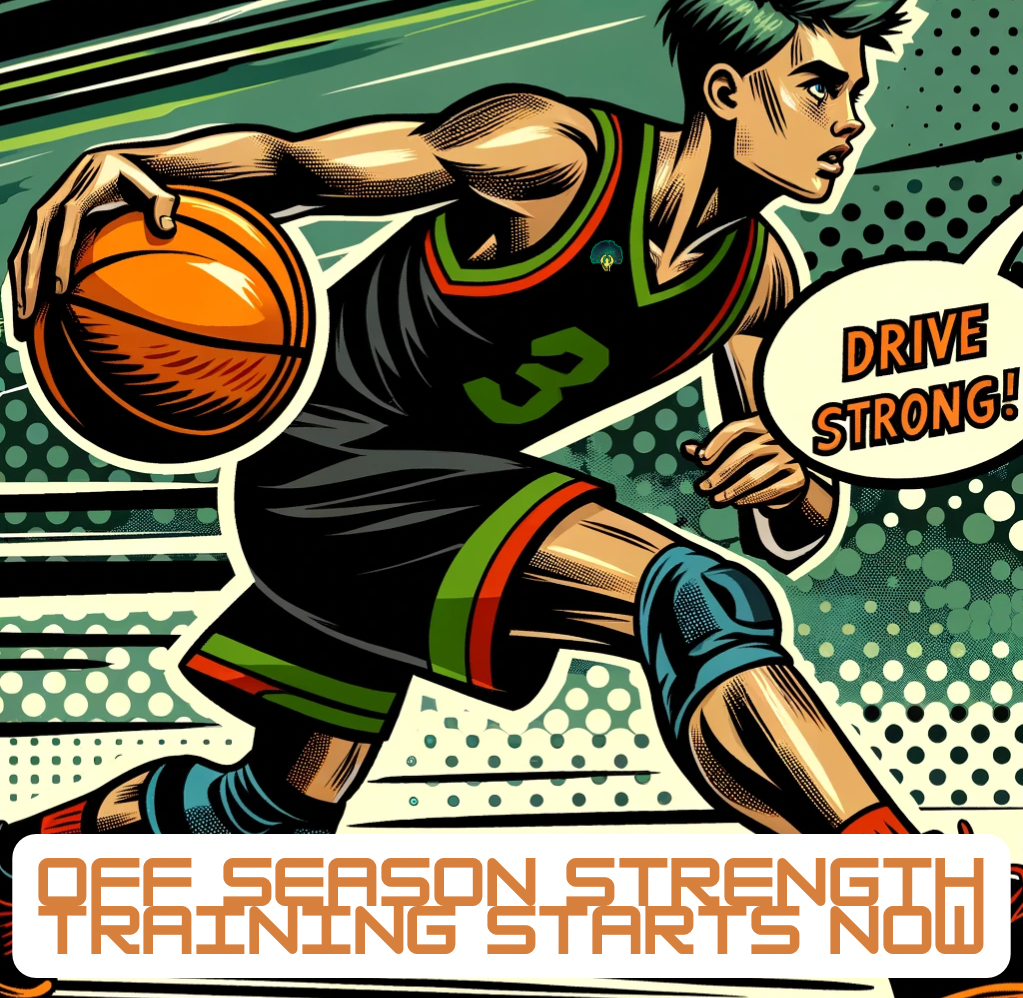
Off-Season Strength Training
The off-season is a golden opportunity for strength training, allowing athletes to focus on building muscle and improving overall physical condition without the competitive season's demands. It's a time to address any imbalances, enhance strength, and prepare the body for the rigors of the upcoming season.
Strength training, coupled with proper nutrition, rest, and recovery, forms a comprehensive approach to athletic development and performance enhancement. By integrating these elements into their routines, student-athletes can maximize their potential on and off the court, setting the stage for a healthier, more competitive athletic career.
How to Harness Ancient Roman Training Techniques for Modern Athletic Success
Cultivating the Indomitable Spirit: Modern Athletes Drawing from Ancient Rome's Legacy
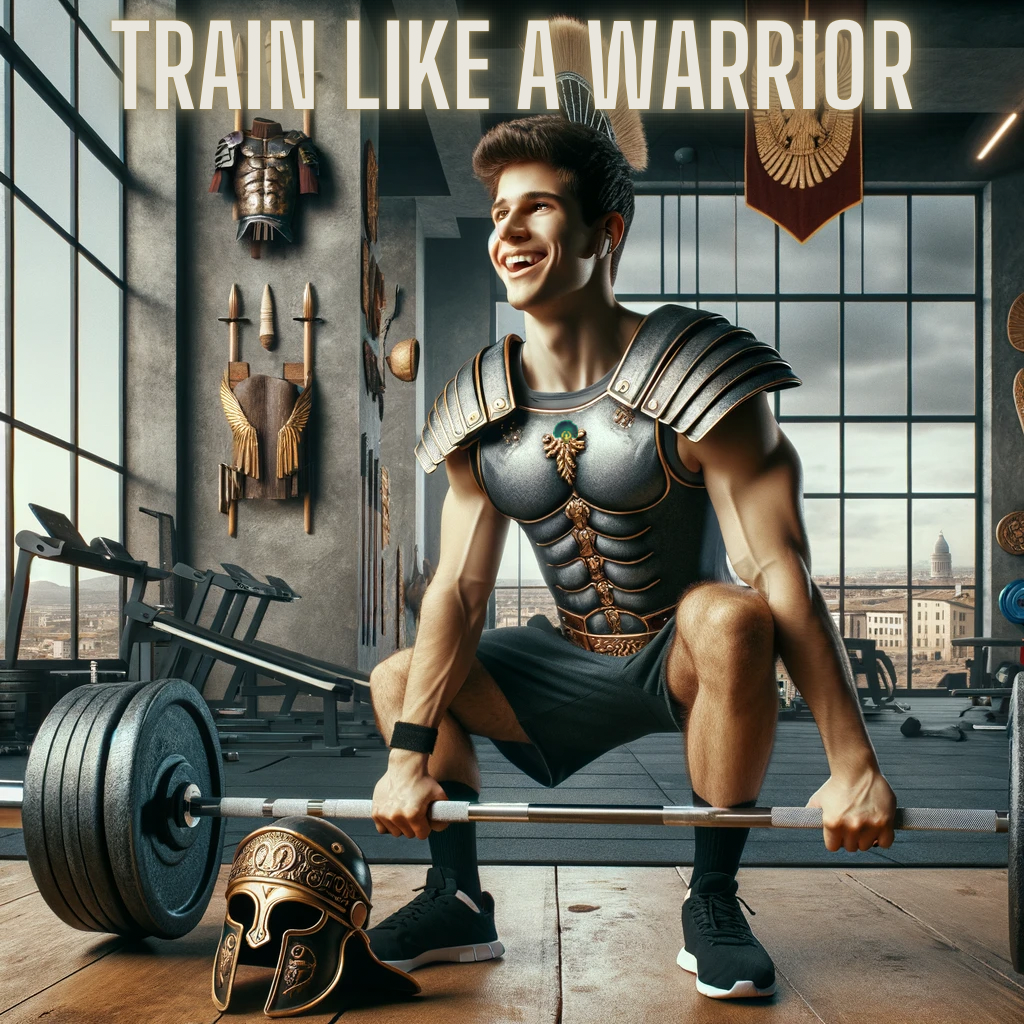
The journey towards athletic greatness is a timeless endeavor, bridging the gap between the ancient and the modern. In this era, where student-athletes navigate a complex and demanding landscape, the enduring legacies of Roman warriors offer profound insights. These ancient combatants mastered the arts of discipline, endurance, strength, and unity—qualities that remain pivotal for today's competitors. By weaving these historic disciplines into contemporary training strategies, student-athletes can evolve into indomitable spirits, standing resilient and powerful in their pursuits.
Building Blocks: Discipline and Resilience
The hallmark of a Roman legionary's training was their unwavering discipline and resilience, achieved through exacting routines and challenges. Modern athletes have much to gain from adopting this disciplined approach, setting rigorous goals and maintaining a steadfast commitment to their training schedules. Embracing endurance-focused exercises, such as long-distance running and HIIT, reflects the legionaries' capacity for long marches and readiness for battle. This regimen not only bolsters cardiovascular fitness but also instills a resilience that is critical for overcoming adversities in sports and academics alike.
Multifaceted Strength Development
The Roman military regimen encompassed a broad spectrum of physical training, from weapon mastery to laborious construction tasks, fostering a versatile and functional form of strength. In a parallel vein, student-athletes can broaden their approach to strength training beyond traditional weightlifting to include bodyweight exercises and dynamic movement drills. This strategy enhances overall muscular balance and agility, vital for excelling in a wide array of sports, while also minimizing injury risks.
Unity and Strategy in the Field of Play
The effectiveness of Roman soldiers was not solely in their individual prowess but in their ability to operate cohesively within a larger unit. This principle of unity and collective strategy is directly applicable to team sports, where success is often contingent upon the seamless interplay between teammates. By prioritizing team-building exercises and strategic play drills, student-athletes can cultivate a deeper sense of camaraderie and tactical acumen, echoing the coordinated efforts of ancient warriors.
Embracing Environmental Versatility
Adaptability was a key survival skill for Roman legions, who often found themselves in diverse and challenging environments. Modern athletes can emulate this adaptability by incorporating a variety of training settings and modalities into their routines. From outdoor workouts that challenge the body in new ways to cross-training activities like swimming or biking, such diversity in training not only enhances physical conditioning but also prepares athletes for the unpredictable dynamics of competitive sports.
Nutritional Warfare: Fueling the Modern Gladiator
The sustenance of Roman soldiers was carefully managed to ensure their readiness and stamina for the rigors of battle. Today's student-athletes can draw from this wisdom by emphasizing a diet rich in nutrients, focusing on lean proteins, whole grains, and fresh produce to support recovery and performance. Proper hydration remains a cornerstone of this dietary strategy, mirroring the ancient understanding of its vital role in maintaining peak physical condition.
Awakening the Indomitable Spirit
The path of modern student-athletes, much like that of their Roman forebears, is paved with challenges that test their limits and demand growth. By integrating the venerable practices of Roman legionaries—emphasizing discipline, comprehensive strength, teamwork, adaptability, and mindful nutrition—into their training, athletes of today can fortify their resolve and elevate their performance. This synthesis of ancient valor and modern ambition nurtures the indomitable spirit within, guiding student-athletes to achieve their fullest potential, both on the field and in life.
How To Elevate Your Football Game with Off-Season Strength Training: Lessons from Christian McCaffrey

As the confetti settles on the Super Bowl field, the focus for football players across the nation, especially those aspiring to the resilience and agility seen in top athletes like San Francisco 49ers running back Christian McCaffrey, shifts towards the off-season. This period is not a hiatus from the sport but rather a crucial phase for development, recovery, and preparation for the challenges of the upcoming season. Off-season strength training is the cornerstone of this phase, offering myriad benefits that contribute to in-season performance and injury prevention. Let’s explore the integral role of off-season strength training in football, with a particular focus on how athletes like McCaffrey leverage it for on-field success.
Building a Foundation for Peak Performance
Off-season strength training is essential for football players seeking to elevate their game. It provides an opportunity to increase muscle strength, power, and endurance away from the regular season's intensity and demands. These physical gains are crucial for improving on-field performance—enhanced strength and power translate to more explosive starts, stronger tackles, and the ability to sustain performance at a high level throughout the game.
Christian McCaffrey's success on the field can be partially attributed to his rigorous off-season training regimen. By focusing on both strength and agility, McCaffrey ensures he can outmaneuver opponents and withstand tackles, which is evident in his ability to break tackles and extend plays.
Enhancing Muscular Balance and Reducing Injury Risks
Football is inherently a sport of physical confrontations and asymmetric movements, which can lead to muscular imbalances and a heightened risk of injury. Off-season strength training addresses these issues directly by targeting underutilized muscles and ensuring that both sides of the body develop evenly. This balance is crucial not only for enhancing performance but also for minimizing the risk of injuries.
McCaffrey's training routine, which includes a mix of compound movements, stability exercises, and flexibility routines, exemplifies how tailored off-season strength training can mitigate injury risks. This balanced approach has enabled him to maintain a level of play that few can match, despite the physical toll of the running back position.
Preparing for the Mental and Physical Demands of Football
Beyond the physical benefits, off-season strength training prepares players for the mental rigors of football. The discipline required to adhere to a training schedule, the perseverance needed to push through challenging workouts, and the focus necessary to achieve personal fitness goals all cultivate a mindset that thrives under pressure.
McCaffrey's mental toughness, a byproduct of his off-season discipline, shines through in clutch moments during games. His ability to perform under pressure, maintain concentration throughout the game, and recover from setbacks is a testament to the psychological resilience built during the off-season.
The off-season offers a golden opportunity for football players to lay the groundwork for their in-season performance and durability. Through diligent strength training, athletes can enhance their physical capabilities, reduce the risk of injuries, and sharpen their mental edge. Christian McCaffrey's exemplary use of off-season strength training to fuel his on-field success serves as a blueprint for players at all levels. As the Super Bowl fades into memory, the message for Mighty Oak Athletic and beyond is clear: the time to build next season's champions in the gym is now.
A Pirate's Guide to Core Strength
Navigating the Plank for Peak Performance
In the vast ocean of athletic training, where waves of exercises ebb and flow with the tides of fitness trends, two core exercises stand as timeless as the call of the sea itself. These are not just any ordinary movements; they are a treasure map leading to the X that marks the spot of strength, stability, and sports performance. Our journey takes us aboard the mighty ship of Mighty Oak Athletic, where we'll embark on a swashbuckling adventure to explore the plank in its most formidable forms: "Walk the Plank" and its daring cousin, performed in a forearm plank position.
Walk the Plank: A Voyage on the High Seas of Core Training
Imagine yourself as a pirate, standing on the deck of a ship, the ocean sprawling endlessly before you. The "Walk the Plank" exercise begins in a push-up plank position, the foundational stance from which you'll embark on your journey. Here's how to perform this exercise with the precision of a seasoned navigator:
1. Assume a push-up position, with your hands planted firmly on the ground, directly under your shoulders. Your body should form a straight line from your head to your heels, the very picture of a plank sturdy enough to withstand the fiercest of storms.
2. Now, begin your walk: Bring your right foot to the outside of your right hand, as if stepping onto the edge of the plank, testing the waters below. Feel the stretch in your muscles, the anticipation of the unknown.
3. Return your right foot to its starting position and repeat the movement with your left foot, stepping to the outside of your left hand. Alternate feet with each step, walking the plank with the agility of a pirate dodging the splash of ocean waves.
This version of the plank not only strengthens the core but also enhances flexibility and mobility, crucial for maintaining balance amidst the unpredictable seas of athletic endeavors.
Forearm Plank: The Depths of Core Engagement
Diving deeper into the core of our training regimen, we encounter the forearm plank variation. This exercise calls for you to lower yourself onto your forearms, entering the murky waters of enhanced difficulty and engagement:
1. Begin in a forearm plank position, with your forearms on the ground and elbows aligned directly under your shoulders. Your body should form a straight, unyielding line, a ship's hull cutting through the waves.
2. From this position, bring your right knee to touch your right elbow, mimicking the action of a ship's figurehead breaking through the ocean's surface. Then, return to your starting position and perform the movement with your left knee to your left elbow.
3. Alternate knees in a rhythmic motion, each movement a stroke of the oar propelling you forward through the tempestuous sea of physical challenge.
This variation not only forges an ironclad core but also targets the obliques and hip flexors, essential for maneuvering through the gales of competition and the whirlpools of daily life.
The Treasure of Core Strength: Unearthing Athletic Potential
Why embark on this pirate-themed odyssey of core training? The answer lies in the treasure chest of benefits that a strong core unlocks. In the realm of sports, a formidable core is the compass that guides athletes through the stormiest of competitions. It's the anchor that stabilizes them, preventing injuries that could send them to the briny depths of recovery. From the explosive power needed to sprint across the field to the balance required to navigate a wave, core strength is the wind in the sails of athletic performance.
Charting Your Course
As you integrate "Walk the Plank" and its forearm variation into your training, remember that every repetition is a step closer to the treasure of peak performance. Like a pirate on a quest for gold, your dedication to strengthening your core will lead you to the riches of improved health, agility, and resilience in the face of any challenge.
So, hoist your sails, set your course, and embark on the journey with Mighty Oak Athletic. Together, we'll navigate the seas of fitness, with the plank as our guide and the strength of our core as our most trusted ally. Here's to the adventures that await and the treasures we'll discover, not just on the map, but within ourselves.
The Deadlift for Young Athletes
The Deadlift - A Keystone for Sports Performance and Injury Prevention in Young Athletes
The deadlift, often revered and sometimes feared, stands as a cornerstone in the edifice of strength training. Its reputation as one of the most effective and comprehensive exercises in enhancing sports performance and preventing injuries, especially among young athletes, is well-founded. When performed with meticulous attention to proper technique, the deadlift transcends its intimidating facade, revealing itself as a beacon of safety and efficacy in the realm of athletic development.
Integral to Sports Performance
The deadlift's primary allure lies in its unparalleled capacity to simulate real-world movements and sports-specific tasks. This exercise engages a symphony of muscles, from the posterior chain, including the hamstrings, glutes, and lower back, to the core, forearms, and grip strength. Such comprehensive activation mirrors the multifaceted demands of sports, where power, stability, and endurance converge.
For young athletes, the development of these attributes through deadlifting can lead to significant improvements in performance. The power generated from the lower body is crucial for sprinters in track, for explosive movements in basketball and volleyball, and for the dynamic actions in soccer and football. Moreover, the deadlift's emphasis on core strength and stability directly translates to better balance and coordination, enhancing agility and reducing the risk of falls and missteps in all athletic endeavors.
A Bulwark Against Injuries
The injury-preventive benefits of the deadlift are twofold. Firstly, by strengthening the muscles around critical joints, particularly the knees, hips, and lumbar spine, the deadlift fortifies the body's natural armor against the impact and strain inherent in sports. This muscular reinforcement helps in dissipating forces more effectively, thereby reducing the burden on the joints themselves.
Secondly, the deadlift instills a profound understanding of proper lifting mechanics, which young athletes can apply beyond the gym. The emphasis on core engagement, neutral spine alignment, and controlled movements is a lesson in how to safely handle external loads, whether in training, competition, or daily activities. This knowledge is invaluable in minimizing the risk of non-contact injuries, which often result from improper movement patterns or technique.
Safety Through Proper Technique
The cornerstone of reaping the deadlift's benefits while ensuring safety is the unwavering commitment to proper technique. It begins with a solid foundation: a stance that's shoulder-width apart, a grip just outside the legs, and the bar over the mid-foot. The lift progresses by driving through the heels, keeping the bar close to the body, and engaging the core, with the spine in a neutral position throughout. The ascent is controlled and deliberate, as is the descent, where the bar is lowered by bending the hips and knees, maintaining the back's integrity.
For young athletes, mastering these nuances under the guidance of a qualified coach is paramount. Progressive overload, where the weight is gradually increased as strength and proficiency improve, ensures a safe trajectory of improvement. Additionally, incorporating accessory exercises that target the deadlift's primary muscle groups can fortify the athlete's overall strength and resilience, further safeguarding against injury.
The deadlift, when embraced with respect for its demands and dedication to proper form, stands as a mighty oak in the landscape of athletic training. For young athletes, it offers a path to enhanced sports performance, grounded in the principles of power, stability, and endurance. Simultaneously, it serves as a stalwart guardian against injury, equipping athletes with the strength and knowledge to navigate their sports endeavors with confidence. Thus, the deadlift, far from being a mere exercise, is a lifelong investment in the health, prowess, and potential of the young athlete.