
How to Build Strength and Power for Football: An In-Season and Off-Season Plan

In-Season Strength Maintenance Program Outline
During the football season, the goal is to maintain the strength gains achieved in the off-season without causing excessive fatigue or increasing the risk of injury. This in-season program focuses on moderate volume and intensity, with sufficient recovery time to ensure optimal performance on game day.
In-Season Program Details
Training Days:
- Monday (two days after game day)
- Wednesday (two days before game day)
Exercise Selection:
- Focus on compound lifts that engage multiple muscle groups and are directly applicable to football performance.
Monday Workout:
1. Barbell Squat
- Sets: 3
- Reps: 3-5
- Weight: ~70-75% of 2-Rep Max (2RM)
- Notes: Focus on controlled, explosive movements with proper form to maintain lower body strength.
2. Overhead Press
- Sets: 3
- Reps: 5
- Weight: ~65-70% of 2RM
- Notes: Maintain upper body pressing strength and shoulder stability for blocking and tackling.
3. Floor Rows
- Sets: 3
- Reps: 6-8
- Weight: Moderate weight (65-70% of 2RM)
- Notes: Strengthen upper back muscles to support tackling and resist pulling motions.
4. Deadlift
- Sets: 2
- Reps: 3-5
- Weight: ~70% of 2RM
- Notes: Focus on proper form and maintain explosive hip drive and posterior chain strength.
Wednesday Workout:
1. Barbell Squat
- Sets: 2
- Reps: 3-5
- Weight: ~65-70% of 2RM
- Notes: Lower volume to minimize fatigue before the game, maintaining strength and mobility.
2. Bench Press
- Sets: 3
- Reps: 4-6
- Weight: ~70% of 2RM
- Notes: Focus on upper body pushing strength, important for blocking and fending off opponents.
3. Power Cleans
- Sets: 3
- Reps: 3
- Weight: ~65-70% of 2RM
- Notes: Emphasize explosive power and speed, which translates to improved acceleration on the field.
4. Pull-Ups
- Sets: 2
- Reps: Max effort (e.g., 6-8 reps)
- Weight: Bodyweight or add light resistance if capable
- Notes: Strengthen the upper back and biceps to improve grip strength and pulling ability.
In-Season Training Guidelines:
- Volume and Intensity: Maintain strength with lower overall volume and intensity. The goal is to prevent fatigue and maintain freshness for games while ensuring that strength levels do not decline.
- Recovery Focus: Adequate recovery is essential. Ensure there is enough rest between sessions and proper nutrition, hydration, and sleep.
- Technique Emphasis: Prioritize proper form and technique in all exercises to minimize injury risk.
By adhering to this structured in-season strength maintenance program, athletes can preserve the strength gains they made in the off-season, remain robust and resilient throughout the season, and continue to perform at their best on the field.
Coach Mike's Conditioning Program: Level 288
How to Build Unbreakable Mental Toughness
In my years as a coach, I've often been asked, "Coach Mike, what level are you on?" or "What do you do when you train?" My students are always curious about the kind of conditioning program I follow, so today, I’m giving you a glimpse into my world.
Welcome to Level 288.
The Program
This conditioning program is done as a warm up for the strength training portion of the program, and is not for the faint of heart. It’s built on years of consistent training, and it’s designed to push you to your limits. Here’s a breakdown:
- 55 Swings with a 16kg Kettlebell
- 55 Goblet Squats with a 16kg Kettlebell
- 110 Twist Crunches (55 each side)
- 55 Push-Ups with a Weight Vest
- 55 Chin-Ups with a Weight Vest
The entire workout is done as a ladder.
Starting from 10 reps of each exercise, you work your way down to 1. That means 10 swings, 10 squats, 10 crunches on each side, 10 push-ups, and 10 chin-ups to start. The only rest you get is when you put on or take off your weight vest. It’s a relentless program, but it’s designed to build not just physical strength but mental toughness as well.
The Journey to Level 288
When Max, one of my dedicated students, asked me what level I was on, he was shocked to hear "Level 288." “How do you get there?” he asked. My answer was simple: consistent training—32 years of it. I’ve been leveling up 9 times a year, each level marking a new challenge, a new goal conquered. That’s how you reach Level 288.
This program is more than just numbers and exercises; it’s a testament to the power of consistency, dedication, and the willingness to push through challenges year after year.
So the next time you wonder what it takes to reach Level 288, remember: it’s all about showing up, putting in the work, and never settling. Every level is a step towards becoming the best version of yourself, and that journey never truly ends.
Embrace the grind.
A Nutrition Plan for Student Athletes
Mighty Oak Athletic Nutrition Coaching Program for Student Athletes
In the world of student athletics, performance is driven by more than just practice and physical conditioning. Nutrition plays a crucial role in helping young athletes reach their full potential. At Mighty Oak Athletic, we understand that fueling your body with the right nutrients is key to performing at your best, both on and off the field. That’s why we’ve developed our Nutrition Coaching Program for Student Athletes, designed to meet the unique needs of growing athletes.
Why Nutrition Matters for Student Athletes
Student athletes have demanding schedules that include school, practice, games, and sometimes even additional training sessions. These activities place a high demand on their bodies, requiring energy, endurance, and the ability to recover quickly. Proper nutrition provides the fuel necessary to meet these demands, supporting optimal performance and reducing the risk of injury.
Without a solid nutritional foundation, athletes may struggle with energy levels, recovery, and overall performance. They might also face increased risks of injuries and long-term health issues. Our program aims to prevent these problems by teaching young athletes how to eat in a way that supports their athletic goals.

What Our Program Offers
The Mighty Oak Athletic Nutrition Coaching Program is tailored to the specific needs of student athletes. Here's what you can expect:
1. Personalized Nutrition Plans: We recognize that each athlete is unique. Our program provides customized nutrition plans based on the athlete’s sport, training schedule, goals, and personal preferences. Whether you’re looking to build muscle, increase endurance, or simply maintain a healthy balance, we’ve got you covered.
2. Education on Healthy Eating Habits: Our program goes beyond just providing meal plans. We educate athletes on the importance of macronutrients (carbohydrates, proteins, and fats), micronutrients (vitamins and minerals), and hydration. We also teach athletes how to make smart food choices, whether at home, school, or on the go.
3. Meal Planning and Preparation Guidance: We understand that life can be hectic, so we offer practical tips for meal planning and preparation. This includes advice on quick and nutritious snacks, easy-to-prepare meals, and how to stay on track during busy weeks.
4. Support and Accountability: Our coaching doesn’t stop at meal planning. We provide ongoing support to help athletes stay motivated and accountable. Regular check-ins allow us to adjust plans as needed, ensuring that each athlete remains on the path to success.
5. Performance-Driven Approach: Everything we do is centered around enhancing athletic performance. Our nutrition plans are designed to boost energy, improve recovery times, and support overall health, helping athletes perform at their peak.
How the Program Works
Our program is designed to be flexible and accessible, accommodating the busy schedules of student athletes. It begins with an in-depth consultation where we assess the athlete’s current nutrition habits, goals, and any specific dietary needs or preferences. Based on this information, we create a tailored nutrition plan that aligns with the athlete’s training regimen and objectives.
Throughout the program, athletes receive regular guidance and support, ensuring that they are on track and making progress toward their goals. Adjustments are made as necessary, taking into account changes in training intensity, competition schedules, and other factors that may impact nutritional needs.
Who Can Benefit from the Program?
The Mighty Oak Athletic Nutrition Coaching Program is ideal for student athletes of all ages and levels. Whether you’re just starting out or competing at an elite level, proper nutrition is essential for reaching your full potential. Our program is also beneficial for parents who want to ensure their child is eating in a way that supports both their athletic endeavors and overall well-being.
Join Us Today
At Mighty Oak Athletic, we believe that nutrition is the cornerstone of athletic success. Our Nutrition Coaching Program for Student Athletes is designed to empower young athletes with the knowledge and tools they need to fuel their performance and achieve their goals. If you’re ready to take your training to the next level, join us today and see the difference that proper nutrition can make.
For more information, visit our website or contact us to get started. Your best performance is just a meal away!
Free Nutrition Coaching for Student Athletes

All Mighty Oak Athletic members can join the program for FREE!
Speak with Coach Mike at your next session to get the free book and learn more.
The program involves 30 consecutive days of recording daily activity—just 10 minutes a day.
Not a member? No problem! Sign up and get started today!

When it comes to sports performance and injury prevention, student athletes often focus on training regimens, conditioning drills, and skill development. While these components are undoubtedly crucial, one aspect that is frequently overlooked—but equally important—is nutrition. The Mighty Oak Athletic Nutrition Coaching Program for Student Athletes highlights how proper nutrition is the cornerstone of athletic success, ensuring that young athletes are not only performing at their best but also reducing their risk of injury.
The Connection Between Nutrition and Performance

Athletes need energy to perform, and the source of that energy comes from the foods they eat. Carbohydrates, proteins, and fats are the macronutrients that provide the necessary fuel for training and competition. Carbohydrates are particularly important for endurance sports, supplying the glycogen that muscles need for prolonged activity. Protein is vital for muscle repair and growth, especially after intense training sessions or games. Fats, often misunderstood, are essential for long-term energy and support various bodily functions, including hormone production.
However, it’s not just about eating the right foods—it’s about eating them at the right times. The Mighty Oak Athletic Nutrition Coaching Program emphasizes the importance of pre- and post-workout nutrition. A balanced meal before practice ensures that athletes have the energy to perform at their peak, while a well-rounded post-workout meal aids in recovery, helping muscles repair and grow stronger. By following these nutritional guidelines, student athletes can maintain high energy levels, enhance their performance, and recover faster.
Sample Daily Menu for Student Athletes

To illustrate how to apply these principles, here’s a sample menu for a day of eating that balances energy needs, recovery, and overall health:
- Breakfast:

- Meal: Whole-grain waffles topped with sliced strawberries and a dollop of whipped cream, served with a side of scrambled eggs and a glass of orange juice.
- Support: The whole-grain waffles provide essential carbohydrates to fuel morning activities, while the strawberries add fiber and vitamin C to support the immune system. Scrambled eggs are packed with high-quality protein to help build and repair muscles after sleep, and the orange juice gives an extra boost of vitamin C and hydration to start the day right.
- Morning Snack:

- Meal: A small container of low-fat yogurt with fun toppings like granola and mini chocolate chips, plus a handful of baby carrots.
- Support: Low-fat yogurt supplies calcium and protein for strong bones and muscle recovery. The granola adds a healthy dose of complex carbohydrates for sustained energy, while baby carrots offer fiber and vitamin A, which are important for eye health and overall growth.
- Lunch:

- Meal: Turkey and cheese sandwich on whole wheat bread, with apple slices and a few pretzels. Add a squeezable pouch of applesauce for a fun treat.
- Support: The turkey and cheese sandwich provides lean protein and whole grains, essential for sustained energy and muscle maintenance during the school day. Apple slices are rich in fiber and natural sugars, offering a quick energy boost, while pretzels add a crunchy, low-fat snack. The applesauce pouch is an easy way to get more fruit, contributing additional vitamins and fiber.
- Afternoon Snack:

- Meal: A peanut butter and banana sandwich on a whole wheat mini bagel, with a handful of grapes or a small box of raisins.
- Support: The peanut butter and banana sandwich combines protein, healthy fats, and carbohydrates, making it a perfect pre-activity snack that supports energy and muscle function. Grapes or raisins provide natural sugars and antioxidants, which can help combat fatigue and support recovery.
- Dinner:

- Meal: Chicken tenders baked with a crispy coating, served with mashed sweet potatoes and steamed broccoli topped with a little melted cheese.
- Support: Baked chicken tenders are a kid-friendly way to enjoy lean protein, essential for muscle repair after a long day of activities. Mashed sweet potatoes offer complex carbohydrates for sustained energy, along with vitamins A and C for immune support. Steamed broccoli with melted cheese provides fiber and calcium, promoting strong bones and a healthy digestive system.
- Evening Snack:

- Meal: A small bowl of cereal with milk or a mini fruit smoothie made with milk, frozen berries, and a banana.
- Support: A small bowl of cereal with milk delivers a mix of carbohydrates and protein, which is ideal for muscle recovery as the body rests. The mini fruit smoothie is a delicious way to end the day, offering vitamins, minerals, and fiber from the fruit, along with the protein from the milk to support growth and repair during sleep.
This menu not only keeps meals fun and appealing for kids but also ensures they receive the necessary nutrients to fuel their activities, support their growth, and maintain overall health.
Nutrition as a Preventive Measure

Injury prevention is another critical area where nutrition plays a pivotal role. Proper nutrition helps build strong bones, maintain muscle mass, and support the immune system—all factors that contribute to an athlete’s ability to stay in the game. For instance, calcium and vitamin D are essential for bone health, reducing the risk of stress fractures—a common injury among student athletes. Protein intake is crucial for muscle repair and recovery, which can prevent overuse injuries and ensure that athletes are ready for the next game or practice.
Moreover, the Mighty Oak Athletic Nutrition Coaching Program teaches athletes the importance of hydration. Dehydration can lead to muscle cramps, fatigue, and even more severe conditions like heatstroke. By staying hydrated before, during, and after physical activity, athletes can maintain optimal performance levels and reduce the risk of injury.
Building Healthy Habits for Life

One of the most valuable aspects of the Mighty Oak Athletic Nutrition Coaching Program is its focus on building long-term healthy habits. Young athletes are at a critical stage in their development, both physically and mentally. By learning proper nutrition habits now, they are setting the foundation for a lifetime of healthy eating. This program doesn’t just teach athletes what to eat—it helps them understand why these choices matter, empowering them to make informed decisions about their nutrition both on and off the field.
Incorporating nutrition education into a student athlete’s routine can also enhance their mental performance. Proper nutrition supports cognitive function, helping athletes stay focused, make better decisions, and manage stress—both in sports and academics. This holistic approach ensures that athletes are not only physically prepared but mentally sharp as well.
Nutrition is more than just fuel for the body; it’s a fundamental component of athletic performance and injury prevention. The Mighty Oak Athletic Nutrition Coaching Program for Student Athletes provides young athletes with the tools and knowledge they need to optimize their nutrition, perform at their best, and prevent injuries. By prioritizing nutrition alongside training, student athletes can build a stronger, healthier, and more successful athletic career.
Investing in proper nutrition today not only enhances athletic performance but also lays the groundwork for lifelong health and wellness. At Mighty Oak Athletic, we believe that when it comes to sports, every bite counts.

Incorporating Mobility Work into Your Child's Athletic Routine
Free At-Home Mobility Program for Student Athletes
The Power of Consistent Mobility Work for Student Athlete Performance and Injury Prevention
Mobility work is often an overlooked aspect of training for student athletes, yet it plays a crucial role in enhancing sports performance and preventing injuries. Incorporating consistent mobility exercises into your routine can improve flexibility, increase range of motion, and aid in muscle recovery. This essay explores the benefits of four key mobility movements—the Runner’s Lunge, Revolved Triangle, Pigeon Pose, and Side Knee Stretch—and provides a practical guide on how to integrate these into your warm-ups, cool-downs, and an at-home mobility program.
The Benefits of Mobility Work
Mobility is the ability of your joints to move freely through their full range of motion. For student athletes, having optimal mobility means being able to perform movements with greater efficiency and less risk of injury. Mobility exercises target the muscles, tendons, and ligaments surrounding the joints, ensuring that these structures remain pliable and resilient under the stress of athletic activities. Improved mobility contributes to better posture, enhanced technique in sports-specific movements, and quicker recovery times, allowing athletes to train harder and more consistently.
Key Mobility Movements
1. Runner’s Lunge
- Description: The Runner’s Lunge is a dynamic stretch that targets the hip flexors, hamstrings, and calves. Begin in a high plank position, step your right foot outside your right hand, and drop your hips towards the ground. Keep your back leg straight and your core engaged. This movement opens up the hips and stretches the lower body, making it ideal for sports that require running or jumping.
- Benefits: Improves hip flexibility, enhances stride length, and reduces the risk of hip and lower back injuries.
- Incorporation: Use the Runner’s Lunge as part of your warm-up to prepare the hips and lower body for activity, or as a cool-down stretch to release tension after a workout.
2. Revolved Triangle
- Description: The Revolved Triangle is a rotational stretch that targets the spine, hips, and hamstrings. Stand with your feet wide apart, turn your right foot out, and reach your left hand towards the ground next to your right foot while extending your right hand towards the ceiling. Keep both legs straight and rotate your torso to open up the chest.
- Benefits: Enhances spinal rotation, improves balance, and stretches the entire posterior chain.
- Incorporation: Include the Revolved Triangle in your cool-down to release tension in the spine and lower body or use it in a mobility circuit to improve rotational flexibility.
3. Pigeon Pose
- Description: The Pigeon Pose is a deep hip opener that targets the glutes and piriformis. Start in a high plank, bring your right knee forward towards your right wrist, and lower your shin to the ground while extending your left leg straight behind you. Lower your torso towards the ground, keeping your hips square.
- Benefits: Relieves tightness in the hips and glutes, improves hip mobility, and reduces the risk of lower back pain.
- Incorporation: Use the Pigeon Pose in your cool-down routine to stretch the hips after running or lower body exercises or include it in a dedicated mobility session for deeper hip opening.
4. Side Knee Stretch
- Description: The Side Knee Stretch targets the adductors and hip flexors. Begin in a kneeling position, then extend your right leg out to the side at a 90-degree angle. Lean into the right leg while keeping your torso upright and your core engaged. This stretch opens up the inner thighs and hips.
- Benefits: Improves flexibility in the adductors, enhances lateral movement, and reduces the risk of groin injuries.
- Incorporation: Integrate the Side Knee Stretch into your warm-up to prepare the hips and groin for lateral movements, or use it as a cool-down stretch after activities like soccer or hockey that require quick side-to-side movements.
Incorporating Mobility into Your Routine
Warm-Up: Begin with dynamic versions of the Runner’s Lunge and Side Knee Stretch to increase blood flow and prepare your muscles and joints for activity. Perform each stretch for 1-2 minutes, focusing on fluid movement and maintaining good posture.
Cool-Down: After your workout, spend 5-10 minutes on static versions of the Revolved Triangle, Pigeon Pose, and Side Knee Stretch to help your muscles relax and recover. Hold each stretch for 30-60 seconds, breathing deeply to release tension.
At-Home Mobility Program:
To maximize the benefits of mobility work, it’s essential to be consistent. Here’s a simple at-home mobility routine that can be done 3-4 times a week:
1. Runner’s Lunge: 2 minutes each side.
2. Revolved Triangle: 1 minute each side.
3. Pigeon Pose: 2 minutes each side.
4. Side Knee Stretch: 1-2 minutes each side.
5. Cat-Cow Stretch (Spine Mobility): 2 minutes, focusing on spinal flexion and extension.
6. Thread the Needle (Shoulder and Thoracic Mobility): 1 minute each side.
7. Downward Dog (Total Body Stretch): 2 minutes, focusing on lengthening the spine and hamstrings.
Consistent mobility work is an investment in your long-term athletic development. By incorporating these stretches into your warm-ups, cool-downs, and at-home routine, you’ll not only enhance your performance on the field or court but also reduce the risk of injuries. Remember, mobility is not a one-time effort but a continuous process that complements your strength, speed, and skill training. Prioritize mobility, and you’ll set yourself up for success in your athletic journey.
Small Exercise Variations, Big Athletic Gains
Free At-Home Training Program for Student Athletes
The Power of Small Variations in Strength Training for Student Athletes
When it comes to enhancing sports performance and preventing injuries, it's often the small adjustments that make the biggest impact. For student athletes, introducing subtle variations to fundamental movements can be a game-changer in optimizing strength, improving mobility, and ensuring longevity in their sport.
The Importance of Variability in Training
Small changes in the way a movement is performed can dramatically alter the muscles engaged and the benefits received. Take the single-arm kettlebell press, for example. By altering the angle of the bench—whether it’s inclined, flat, or declined—you engage different parts of the shoulder, chest, and stabilizing muscles. The same concept applies when changing the tool used; switching from a kettlebell to a dumbbell or a barbell modifies the exercise's dynamics and the muscles worked. Even something as simple as changing grip width—from close to wide—can shift the focus to different muscle groups, providing a well-rounded strength foundation that contributes directly to athletic performance.
At-Home Push-Up Program
This principle of variation can easily be applied at home with a push-up program that requires no special equipment. Here's how you can create an effective and varied push-up routine using just a set of stairs:
1. Hands Elevated Push-Ups: Start with your hands on the second or third step of the stairs. This angle focuses on the lower chest muscles and is ideal for beginners or as a warm-up.
2. Flat Push-Ups: With hands on the floor, perform standard push-ups, targeting the middle chest.
3. Feet Elevated Push-Ups: Elevate your feet on the second or third step, which increases the challenge and shifts the focus to the upper chest.
Hand Placement Variations:
- Close Grip Push-Ups: Place your hands close together, emphasizing the triceps and inner chest muscles.
- Wide Grip Push-Ups: Position your hands wider than shoulder-width to target the outer chest muscles.
This push-up program not only strengthens the chest, shoulders, and triceps but also enhances core stability, all while reducing the risk of overuse injuries by varying the movement pattern.
At-Home Squat Program
Squats are another foundational movement where small variations can make a significant difference. A varied squat routine can be done at home to engage different muscle groups and improve overall lower body strength:
1. Standard Squat: With feet hip-width apart, perform a basic squat, engaging the quads, hamstrings, and glutes.
2. Sumo Squat: Take a wider stance with toes pointed slightly outward. This variation targets the inner thighs and glutes more intensely.
3. Narrow Squat: Bring your feet closer together to increase the focus on the outer quads.
4. Single-Leg Squat: Perform a squat on one leg at a time to build balance, stability, and unilateral strength.
By incorporating these variations, athletes can build a more balanced and resilient lower body, reducing the risk of injury and improving performance in sports that require quick changes of direction, power, and endurance.
Incorporating small variations into fundamental movements is a simple yet powerful strategy for student athletes to enhance their performance and reduce injury risks. Whether through modifying the angle of a press, altering grip width, or changing foot positioning in a squat, these variations ensure that athletes develop well-rounded strength that directly contributes to their success on the field, court, or ice. Start implementing these variations in your training today, and experience the difference they can make in your athletic journey.
Not Training is Training: Enhancing Student Athlete Performance and Injury Prevention

In the demanding world of student athletics, the relentless pursuit of excellence can often lead to the misconception that more training equals better results. However, the insights shared by Robert Andrews, L.M.F.T., founder and director of the Institute of Sports Performance, emphasize the critical importance of mental recovery and balanced training for optimal sports performance and injury prevention.
The Importance of Mental Recovery
Andrews, a renowned mental-training consultant to Olympic athletes like Simone Biles and Simone Manuel, highlights that while hard work is essential, an unrelenting work ethic can sometimes be counterproductive. Continuously pushing oneself without adequate recovery leads to burnout and hopelessness rather than breakthroughs. This is particularly relevant for student athletes who are juggling academic responsibilities along with their sports commitments.
Finding Meaningful Recovery Activities
Andrews poses a pivotal question to athletes who are exhausted yet not seeing results: “What do you do to fill up your tank?” The answer, according to him, should go beyond merely taking a nap. It involves engaging in meaningful activities that recharge the mind and body. This could be anything from taking a walk to enjoy a sunset, participating in social activities like Taco Tuesday with teammates, or engaging in a creative hobby like photography. These activities provide a mental break and rejuvenate the athlete, allowing for better performance when they return to training.
The Role of Socialization
Research underscores the value of mental recovery time, often termed as “the forgotten session.” A study published in the Journal of Applied Sport Psychology found that athletes who incorporated socialization into their recovery strategies performed better mentally than those who did not. This social interaction is crucial for student athletes as it provides emotional support, builds team camaraderie, and reduces stress, all of which contribute to improved sports performance and reduced risk of injury.
Application in Student Athlete Training Programs
At Mighty Oak Athletic, we integrate these principles into our training programs to ensure that our student athletes not only excel in their sports but also maintain their mental and physical well-being. Here’s how we apply Andrews’ insights:
1. Scheduled Recovery Time: We include mandatory recovery periods in our training schedules. These are times when athletes are encouraged to step away from their rigorous routines and engage in leisure activities that they enjoy.
2. Mental Wellness Workshops: Regular workshops are conducted to educate athletes about the importance of mental recovery and strategies to incorporate it into their daily lives.
3. Team-Building Activities: Social activities are organized to foster team spirit and provide a fun break from the training grind. These activities range from casual get-togethers to team-building exercises.
4. Holistic Training Approach: Our training programs are designed to balance intense training sessions with adequate recovery, ensuring athletes build strength and skill without overexertion.
5. Parental Involvement: We engage with parents to ensure they understand the importance of mental recovery for their children and encourage them to support these practices at home.
Incorporating meaningful recovery activities into the training regimen of student athletes is not just beneficial—it is essential. By finding ways to recharge both mentally and physically, athletes can achieve sustained performance improvements and reduce their risk of injury. At Mighty Oak Athletic, we are committed to fostering an environment where student athletes can thrive both on and off the field, ensuring their long-term success and well-being.
Five Foundational Strength Movements for Baseball Players

The Importance of Foundational Movements in Strength Training
At Mighty Oak Athletic, we believe that foundational strength movements like squats, hinges, pushes, pulls, and carries are the keys to success in any sport. While some may think that sport-specific strength training is necessary, we have found that focusing on these basic movements can be more effective.
Why Sport-Specific Training Isn’t Always Necessary
Sport-specific training suggests that each sport requires unique exercises to improve performance. However, the truth is that the fundamental movements we use in our training program can enhance athletic performance across all sports. These movements build overall strength, improve coordination, and reduce the risk of injury. By mastering these basics, athletes can develop the physical attributes needed for their specific sport.
Foundational Movements and Their Benefits
1. Squats: Squats strengthen the legs and core, essential for jumping, running, and quick changes in direction. This movement is crucial for sports that require lower body strength.
2. Hinges: Hinge movements, like deadlifts, target the posterior chain (back, glutes, hamstrings). This strength is vital for explosive movements and overall power.
3. Pushes: Pushing exercises, such as push-ups or bench presses, develop upper body strength necessary for actions like pushing opponents away or throwing.
4. Pulls: Pulling exercises, like pull-ups or rows, enhance the muscles of the back and arms, improving posture and pulling strength.
5. Carries: Carrying weights, like in a farmer’s walk, builds grip strength and overall stability, which is beneficial for maintaining control and balance during sports activities.
Baseball Example: Basic Movements for Specific Goals
Take baseball, for example. To hit the ball harder and farther, a strong core and powerful legs are essential. Squats and hinges develop this strength. To throw faster and farther, strong shoulders and a stable core are necessary, which are built through pushes and pulls. For base running speed and agility in fielding, leg strength and coordination are key, which are enhanced by carries and squats.
By focusing on these basic movements, we can help athletes achieve specific goals in their sport without needing special exercises. Foundational strength training improves overall performance, making athletes faster, stronger, and more agile. This approach is not only effective but also safe, reducing the risk of injury and helping athletes perform at their best.
At Mighty Oak Athletic, we emphasize the importance of foundational strength movements for athletes in all sports. These basic exercises build the essential strength and coordination needed for various athletic activities. By mastering these movements, athletes can achieve their specific goals, whether it’s hitting a baseball harder, running faster, or improving agility on the field. Our approach ensures that athletes develop a strong foundation that supports their performance and keeps them injury-free.
Pull-Ups Build Abs Too
The Power of Pull-Ups for Ab Strength and Development
When it comes to building core strength, the traditional pull-up might not be the first exercise that comes to mind. However, recent research shows that pull-ups can be highly effective for strengthening your abs, particularly the rectus abdominis (RA) muscle.
A study titled “A Comparison of Muscle Activation during the Pull-up and Three Alternative Pulling Exercises” found that the RA, a key muscle in your core, is highly activated during pull-ups. This makes sense because, during a pull-up, your core works hard to stabilize your body as you lift yourself up and lower yourself down. The study showed that the RA was the most active muscle group for all participants performing pull-ups, indicating significant core engagement throughout the exercise.
Interestingly, the study compared the traditional pull-up to three alternative pulling exercises: the kipping lat pulldown (k-LP), suspended lat pulldown (s-LP), and assisted pull-up (aPU). Among these, the k-LP most closely matched the muscle activation pattern of the traditional pull-up, especially during near-maximal efforts. This suggests that if you’re looking to target your abs effectively while working on your pull-up strength, the k-LP could be a great alternative.
For those new to pull-ups or looking to enhance their core workout, here’s a simple approach to incorporating pull-ups into your routine:
1. Start with Assisted Pull-Ups: Use a resistance band or an assisted pull-up machine to help support your weight as you build strength.
2. Focus on Form: Keep your body rigid and engage your core throughout the movement. Avoid swinging or using momentum to complete the pull-up.
3. Progress Gradually: As you get stronger, gradually reduce the assistance until you can perform pull-ups unassisted.
4. Incorporate Variations: Mix in kipping lat pulldowns and other pulling exercises to keep your workouts diverse and challenging.
Remember, consistency is key. Regularly performing pull-ups and their variations will not only improve your upper body strength but also give your abs a solid workout, contributing to better core stability and overall fitness.
By including pull-ups in your fitness routine, you’re not just building a stronger back and arms but also developing a powerful core that supports all your physical activities. So next time you’re at the gym, don’t forget to hit the pull-up bar and give your abs the workout they deserve.
How Mighty Oak Athletic Coaches for Performance and Fewer Injuries
Coaching for Peak Performance and Injury Prevention: How Mighty Oak Athletic Supports Student Athletes
At Mighty Oak Athletic, our coaching philosophy is designed to enhance sports performance and prevent injuries among student athletes. We align our methods with proven principles that ensure our athletes thrive both on and off the field. Here’s how our approach reflects key coaching strategies:
1. Cultivating a Positive Environment
Creating a positive training environment is essential for student athletes who often face self-doubt and criticism, particularly after disappointing performances. At Mighty Oak Athletic, we focus on building a supportive atmosphere where athletes feel encouraged and motivated. Our coaches are dedicated to boosting athletes’ confidence and maintaining their focus on growth and improvement.
2. Prioritizing Long-Term Development
At Mighty Oak Athletic, we understand that sustainable success comes from long-term development rather than quick fixes. We emphasize the importance of gradual progress and overall well-being, designing training programs that support continuous improvement and prevent burnout. This approach ensures that our athletes develop the skills and resilience needed for lasting success in their sports careers.
3. Building Trust with Athletes
Trust between coaches and athletes is crucial for effective training. We recognize that trust is built over time through consistent communication and understanding of each athlete’s unique needs and goals. Our coaches at Mighty Oak Athletic prioritize open dialogue and personalized support, fostering a trusting relationship that enhances both performance and personal development.
4. Implementing Structured Training Cycles
To prevent overtraining and injuries, we use periodization in our training programs. This means our training cycles include varied intensity levels and scheduled recovery periods. By balancing hard training sessions with lighter ones and incorporating adequate rest, we ensure that our athletes remain healthy, perform at their best, and reduce the risk of injury.
5. Focusing on the Process, Not Just Results
We believe that the journey is just as important as the destination. At Mighty Oak Athletic, we emphasize the importance of the training process, encouraging athletes to develop their skills, learn from their experiences, and strive for continuous improvement. This focus on the process helps athletes build resilience and achieve consistent progress, rather than being solely outcome-oriented.
Mighty Oak Athletic is committed to enhancing sports performance and preventing injuries for student athletes. By cultivating a positive environment, prioritizing long-term development, building trust, implementing structured training cycles, and focusing on the process, we create a comprehensive coaching approach that supports our athletes’ success and well-being. These principles guide our mission to develop not only skilled athletes but also resilient and well-rounded individuals.
Get a Physical Before You Start Strength Training
Why You Should Get a Physical Before Starting a Strength Training Program
Before starting any new training program, it’s important to get a physical check-up. This helps make sure your body is ready for exercise and can prevent injuries. During a physical, your doctor might recommend some blood tests to get a complete picture of your health.
Types of Blood Tests and What They Test For
Here are some common blood tests your doctor might suggest:
1. Complete Blood Count (CBC): This tests for overall health, including checking your red and white blood cells and platelets. It can detect infections, anemia, and other conditions.

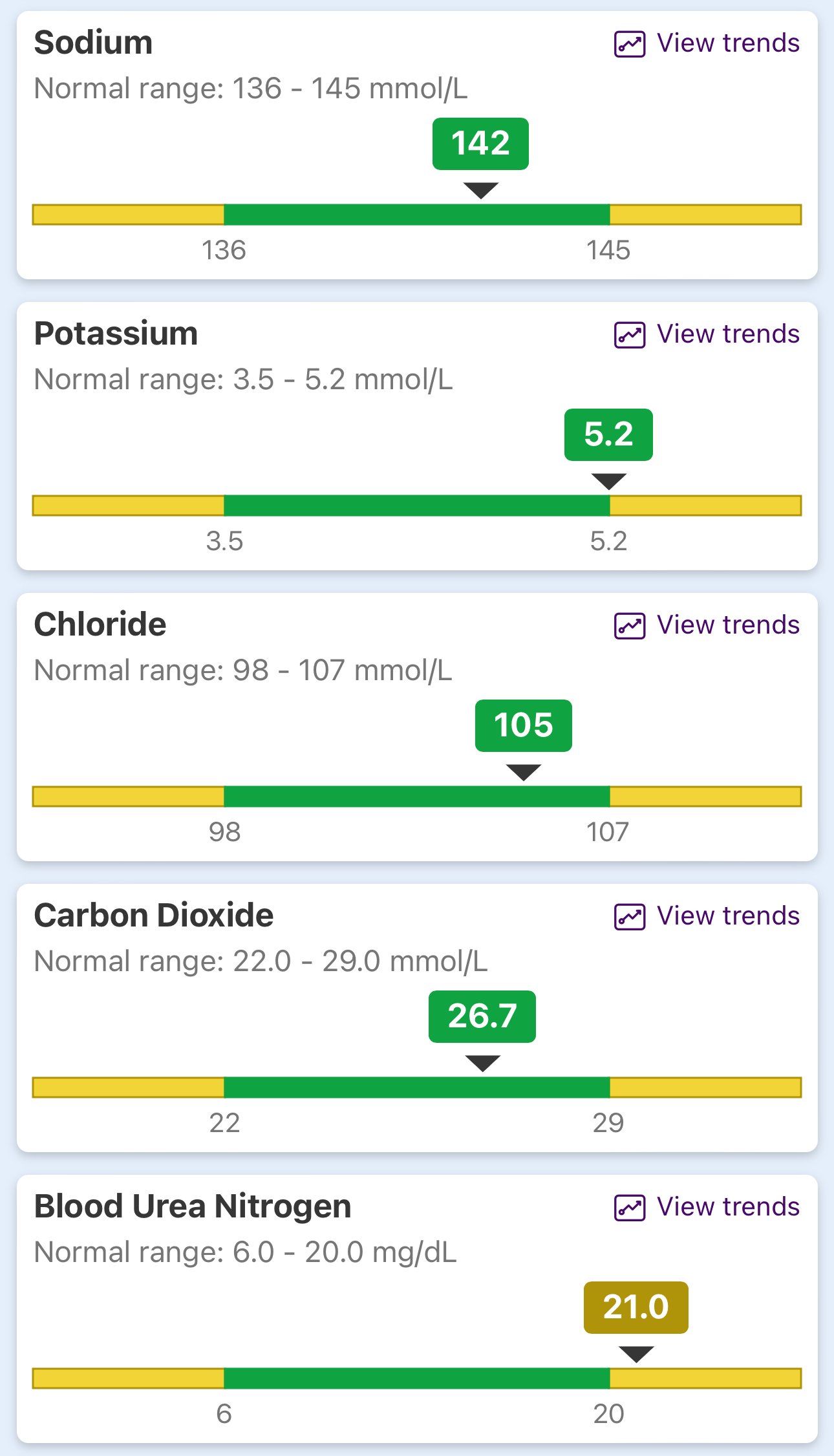
2. Basic Metabolic Panel (BMP): This checks your blood sugar levels, calcium, and electrolytes. It helps assess your body's chemical balance and metabolism.
3. Lipid Panel: This measures your cholesterol and triglycerides, which are fats in your blood. It helps assess your risk for heart disease.

4. Thyroid-Stimulating Hormone (TSH): This tests your thyroid function, which affects your metabolism and energy levels.

5. Prostate-Specific Antigen (PSA): For males, this tests for prostate health.

How Strength Training Can Improve Your Health
Strength training, which includes exercises that make your muscles work harder than usual, can improve your health in many ways:
- Increases Muscle Mass: Helps you get stronger and improves your ability to perform everyday tasks.
- Improves Bone Density: Strengthens your bones, making them less likely to break.
- Boosts Metabolism: Helps you burn more calories even when you're not exercising.
- Enhances Mood and Energy: Exercise releases endorphins, which make you feel happier and more energetic.
At-Home Strength Training Program
You don’t need a gym to start strength training. Here’s a simple bodyweight workout you can do at home:
- Push-Ups: 3 sets of 10-15 reps
- Squats: 3 sets of 15-20 reps
- Lunges: 3 sets of 10 reps per leg
- Plank: Hold for 30-60 seconds, 3 times
- Jumping Jacks: 3 sets of 20 reps
Walking Plan
Walking is a great way to stay active. Here’s a simple plan:
- Week 1-2: Walk 15 minutes a day, 5 days a week
- Week 3-4: Walk 20 minutes a day, 5 days a week
- Week 5-6: Walk 25 minutes a day, 5 days a week
- Week 7-8: Walk 30 minutes a day, 5 days a week
Basic Nutrition Outline
Eating a balanced diet is important for your health and training. Here’s a simple daily menu:
Breakfast:
- Oatmeal with fruit and a glass of milk
Snack:
- A handful of almonds and an apple
Lunch:
- Grilled chicken salad with mixed greens, tomatoes, cucumbers, and olive oil dressing
Snack:
- Carrot sticks with hummus
Dinner:
- Baked salmon, quinoa, and steamed broccoli
Snack:
- Greek yogurt with a drizzle of honey
Tips for Getting 7-9 Hours of Sleep
Getting enough sleep is crucial for recovery and overall health. Here are some tips:
- Stick to a Schedule: Go to bed and wake up at the same time every day, even on weekends.
- Create a Routine: Develop a relaxing bedtime routine, like reading or taking a warm bath.
- Limit Screen Time: Avoid screens (phones, tablets, TVs) at least an hour before bed.
- Keep it Cool and Dark: Make sure your bedroom is cool, dark, and quiet.
- Avoid Caffeine and Large Meals: Don’t consume caffeine or large meals close to bedtime.
By following these guidelines, you’ll be well-prepared to start your training program safely and effectively. Always remember to listen to your body and consult with your doctor if you have any concerns. Happy training!
When Should Kids Start Strength Training?

I was thirteen the first time I touched a barbell. Fall of 1992, Fenwick High School, a weight room in the basement that smelled like rust and old rubber. An older kid named Ray took me under his wing, put me on a bench, and ran me through a set of sevens. The next morning I couldn't lift my arms. I was hooked. Thirty-four years later I'm still hooked, and the question I get more than any other from parents is some version of this: when is my kid old enough to start?
The answer is younger than you think. We start athletes at Mighty Oak Athletic at age six, and we didn't pull that number out of the air. The National Strength and Conditioning Association's position statement on youth resistance training and the American Academy of Pediatrics both say the same thing: supervised strength training is safe and beneficial for children, and the right starting point is not a birthday. It's when a kid can follow directions, take coaching, and handle a structured hour. For most kids, that's six or seven.
The myth that keeps parents waiting is the growth plate story. You've heard it. Lifting stunts growth, damages the plates, hurts a developing body. There is no evidence for it. The growth plate injuries in the research came from unsupervised kids maxing out with bad technique, not from coached training with appropriate loads. The same bodies that get told to wait on a barbell are sprinting, jumping, tackling, and landing on one leg off a volleyball block every weekend. Those forces are far higher than anything we put on a six-year-old in the gym. What lifting actually does is make the kid more durable for all of it.
Here's what a six-year-old's training looks like in practice, because I think parents picture something it isn't. Nobody is loading plates. A kid at Level 1 learns to squat with their own bodyweight, to hinge at the hips with a light kettlebell, to push, pull, and carry. The barbell shows up as an empty bar or a PVC pipe, and the job is to move it in a perfect pattern, not to move it heavy. Age is the wrong variable for load. Technique is the right one. The weight on the bar is whatever lets a kid complete every single rep with perfect form, and that's true whether they're six or sixteen.
Then they earn their way up. Nine levels, white shirt through black, like belts in martial arts. Advancement comes from completed sessions and demonstrated technique, never from getting older. A ten-year-old who started at six might be in a green shirt lifting real weight with beautiful form. A fifteen-year-old who walked in last month is in a white shirt learning the same patterns from the beginning. Both are exactly where they should be.
So what should you look for if you're ready to start? A coach with a real credential, not a weekend certificate. The CSCS from the NSCA is the standard. Small groups, because a kid learning to deadlift needs eyes on every rep, and that doesn't happen with twenty kids on a turf. Free weights and bodyweight, not machines, because machines don't teach a body how to move. And a progression system, so your kid knows what they're working toward and you can see them get there.
If your kid is six and can sit through a story at the library, they can train. If they're eleven and you've been waiting for the right age, the right age was five years ago, and the second-best time is this week. And if they're sixteen and never lifted, they're not behind. They're just at Level 1, same as everybody.
Every kid at Mighty Oak starts with a free first session. Sixty minutes, coached, with a training shirt to keep and a conversation with me at the end. The arms might be a little sore the next day. That's how you know it worked.
Be strong to be useful.
— Coach Mike
Book a free first session: https://calendly.com/mightyoakathletic/youth-strength
What Age Should Kids Start Building Muscle?

A dad asked me this one at a hockey rink. His son was nine, skinny as a stick, and getting knocked off the puck by kids a head taller. He wanted to know when the muscle shows up. Honest answer: not for a while. But that wasn't the question he should have been asking, and I told him so.
Kids don't build much muscle mass before puberty. The hormones that drive hypertrophy, mostly testosterone and growth hormone, don't show up in meaningful amounts until adolescence. A nine-year-old can train hard for a year and still look like a nine-year-old. Parents sometimes take that as proof the training isn't working. It's the opposite. It's proof that what's happening is more important than what's visible.
What a child builds before puberty is strength, and strength and muscle size are not the same thing. Early strength gains come from the nervous system, not the muscle. The brain learns to recruit more muscle fibers, fire them in the right order, and coordinate the whole chain from feet to hands. A kid who trains the squat for six months can nearly double what he can move, with no change in the size of his legs. That's the nervous system getting smarter. It's the foundation every ounce of future muscle gets built on, and it's the part most kids never get because they wait.
That's why we start athletes at age 6 at Mighty Oak Athletic. The National Strength and Conditioning Association and the American Academy of Pediatrics both support supervised strength training for children, and the readiness test is simple: can the kid follow directions and focus for an hour? At six, the work is bodyweight, light kettlebells, and an empty bar, and the job is to own five movement patterns: squat, hinge, push, pull, and carry. Not heavy. Perfect.
Then puberty hits, and here's where the early years pay off. When the hormones finally arrive, a kid who has spent years learning to move well has a nervous system that already knows what to do with new muscle. The gains come fast and they come clean. The kid who waited until fourteen to touch a barbell spends the first year of his best growth window learning how to squat. The kid who started at seven spends it getting strong. Same hormones, completely different outcome.
I'd add one more thing for the parents of the skinny kids. The muscle is coming whether you train or not. Genetics and time will take care of that. What won't come on its own is the ability to use it: the coordination, the body control, the confidence to get under a bar and stand up with it. That has to be built, and the building takes years. Those years are now.
So the real answer to the dad at the rink was this. Your son will build muscle at thirteen or fourteen. He can build strength starting today. And if he's strong before the muscle arrives, he'll be the one knocking kids off the puck instead of the one getting knocked.
Every kid at Mighty Oak starts with a free first session. Sixty minutes, coached, with a training shirt to keep and a conversation with me at the end.
Be strong to be useful.
— Coach Mike
Book a free first session: https://calendly.com/mightyoakathletic/youth-strength
Core Strength for Athletes: The Barrel Principle
Boosting Stability and Power in Athletes
In the world of athletics, the concept of a barrel is a fitting metaphor for understanding the importance of core strength in student athletes. Just as the hoops of a barrel hold the staves tightly together to create a strong, cohesive structure, core strength holds the body together, providing stability, power, and resilience.
Core Strength: The Hoops of Athletic Performance
Core strength acts as the stabilizing hoops for our body. Without a strong core, an athlete's performance can falter, much like a barrel would collapse without its hoops to hold the staves in place. The core muscles—including the abdominals, obliques, lower back, and rotational muscles—are essential for maintaining balance, transferring power, and preventing injuries.
1. Stability: A strong core provides the foundation for all movements. Whether sprinting, jumping, or changing direction, core stability ensures that the body can move efficiently and effectively. Just as hoops keep the staves of a barrel in place, a stable core keeps the body aligned and balanced, reducing the risk of falls and injuries.
2. Power Transfer: Many athletic movements, such as throwing a ball or hitting a puck, require the transfer of power from the lower body to the upper body. This transfer is only efficient if the core is strong and stable. The core acts as the conduit through which energy flows, much like the hoops ensure the structural integrity of the barrel, allowing it to hold and transfer contents without leakage.
3. Injury Prevention: Weak core muscles can lead to poor posture and mechanics, increasing the risk of injuries, particularly in the lower back and knees. A strong core helps to distribute stress evenly across the body, much like well-placed hoops evenly distribute pressure across the staves, preventing cracks and leaks.
Core Workout for Student Athletes
To ensure that student athletes have the core strength necessary for peak performance and injury prevention, incorporating a comprehensive core workout into their training regimen is essential. Here’s a workout that targets the abdominals, obliques, lower back, and rotational muscles:
Warm-Up
1. Dynamic Stretching: 5-10 minutes of dynamic stretching to prepare the core muscles for the workout. Include movements such as leg swings, torso twists, and side bends.
Core Workout
1. Plank (3 sets of 60 seconds)
- Target: Abdominals and lower back
- Instructions: Hold a plank position on your forearms and toes, keeping your body in a straight line from head to heels.
2. Russian Twists (3 sets of 20 twists per side)
- Target: Obliques and rotational muscles
- Instructions: Sit on the floor with your knees bent and feet lifted off the ground. Lean back slightly and twist your torso to the right, then to the left, while holding a weight or medicine ball.
3. Bird-Dog (3 sets of 15 repetitions per side)
- Target: Lower back and stability muscles
- Instructions: Start on your hands and knees. Extend your right arm forward and your left leg backward simultaneously, then return to the starting position. Alternate sides.
4. Side Plank (3 sets of 45 seconds per side)
- Target: Obliques and lateral core muscles
- Instructions: Lie on your side with your legs straight. Prop yourself up on your forearm and lift your hips off the ground, creating a straight line from head to feet.
5. Bicycle Crunches (3 sets of 20 repetitions per side)
- Target: Abdominals and obliques
- Instructions: Lie on your back with your hands behind your head and legs lifted. Bring your right elbow to your left knee while extending your right leg, then switch sides in a pedaling motion.
6. Superman (3 sets of 15 repetitions)
- Target: Lower back and glutes
- Instructions: Lie face down on the floor with your arms extended forward. Lift your arms, chest, and legs off the ground simultaneously, holding for a few seconds before lowering.
Cool Down
1. Static Stretching: 5-10 minutes of static stretching focusing on the core muscles. Include stretches such as the cobra stretch, seated forward bend, and side stretch.
Just as the hoops of a barrel are essential for holding it together and maintaining its integrity, core strength is vital for student athletes. A strong core provides stability, facilitates efficient power transfer, and helps prevent injuries, ensuring that athletes can perform at their best and stay in the game. By incorporating regular core workouts into their training regimen, student athletes can build a solid foundation for success, both on and off the field.
A Single Test of Athleticism: Foot Exercises for Enhanced Performance and Stability
The Role of Toe Control in Enhancing Student-Athlete Performance and Preventing Injuries
In the realm of athletic performance, the importance of foot and ankle stability cannot be overstated. A subtle yet highly effective indicator of this stability is the ability to keep all toes grounded while lifting just the big toe. This exercise, often referred to as "toe yoga," not only highlights the intricate control of the muscles in the feet but also has profound implications for student-athletes' sports performance and injury prevention.
Understanding Toe Yoga and Its Benefits
Toe yoga involves grounding the smaller toes of the foot while lifting the big toe independently. This seemingly simple task requires significant neuromuscular control, foot strength, and stability. The benefits of mastering this exercise extend beyond the foot, influencing overall athletic performance in several key ways:
1. Enhanced Foot and Ankle Stability: Proper foot stability is crucial for maintaining balance and preventing injuries. Strong and well-coordinated foot muscles contribute to better stability during athletic movements, such as running, jumping, and changing direction.
2. Improved Neuromuscular Control: Toe yoga demonstrates the neuromuscular control of the foot muscles, which is essential for efficient movement patterns. This control helps athletes respond quickly to changes in direction and maintain proper form during dynamic activities.
3. Better Balance and Proprioception: The exercise enhances proprioception, the body's ability to sense its position and movement in space. Improved proprioception leads to better balance, which is fundamental for athletic performance, particularly in sports requiring quick changes in direction or stability on uneven surfaces.
4. Even Force Distribution: Proper toe function aids in the even distribution of force across the foot during activities like running, jumping, and landing. This can prevent overloading specific areas of the foot, reducing the risk of injuries such as plantar fasciitis or stress fractures.
5. Overall Athletic Performance: Strong and coordinated foot muscles contribute to more efficient and powerful movements. Athletes with better foot control can generate greater force during push-off phases in running and jumping, leading to improved speed and agility.
At-Home Exercises to Improve Toe Control
Incorporating exercises that improve toe control and foot strength can be highly beneficial for student-athletes. Here are some effective at-home exercises that can help:
1. Toe Yoga (Big Toe Lifts)
- How to Perform: Sit comfortably with your feet flat on the ground. Keep the four smaller toes grounded and try to lift only the big toe. Hold for a few seconds and then release. Repeat 10-15 times for each foot.
- Benefits: Enhances foot muscle coordination and stability, leading to better balance and proprioception.
2. Toe Spreading
- How to Perform: Sit with your feet flat on the ground. Spread your toes apart as wide as possible and hold for a few seconds before releasing. Repeat 10-15 times for each foot.
- Benefits: Strengthens the small muscles of the foot, improving overall foot stability and control.
3. Towel Scrunches
- How to Perform: Place a towel on the floor and sit with your feet flat on the towel. Use your toes to scrunch the towel toward you, then push it back out. Repeat for 2-3 minutes for each foot.
- Benefits: Strengthens the arch of the foot and improves the ability to control toe movements.
4. Marble Pick-Up
- How to Perform: Place a few marbles on the floor. Sit with your feet flat and use your toes to pick up the marbles and place them in a bowl. Repeat until all marbles are picked up.
- Benefits: Improves fine motor skills and strengthens the intrinsic muscles of the foot.
5. Heel Raises with Toe Spread
- How to Perform: Stand with your feet hip-width apart. Rise up onto your toes while spreading your toes apart. Hold for a few seconds before lowering back down. Repeat 10-15 times.
- Benefits: Strengthens the calf muscles and improves foot stability and toe control.
The ability to control and strengthen the toes, particularly through exercises like toe yoga, plays a significant role in enhancing athletic performance and preventing injuries. For student-athletes, incorporating these exercises into their routine can lead to better foot and ankle stability, improved neuromuscular control, and enhanced balance and proprioception. By focusing on these foundational aspects of movement, student-athletes can achieve greater efficiency and power in their sports, ultimately leading to better performance and reduced risk of injuries.
Raising Well-Rounded Athletes: Embrace Multi-Sport Development
The Mighty Oak Athletic Approach: Embracing Multi-Sport and Multi-Activity Training for Youth
At Mighty Oak Athletic, we believe in the holistic development of young athletes. Rather than encouraging early specialization in a single sport, we advocate for a multi-sport and multi-activity approach. This philosophy not only enhances overall sports performance but also significantly contributes to injury prevention and the longevity of an athlete's career, both physically and mentally.
The Benefits of Multi-Sport and Multi-Activity Participation
1. Enhanced Athletic Development: Engaging in multiple sports or activities allows children to develop a diverse range of skills. For example, soccer players benefit from the hand-eye coordination developed in basketball, while swimmers can improve their cardiovascular endurance through running. This cross-training results in more well-rounded athletes who possess superior agility, strength, and coordination.
2. Reduced Risk of Overuse Injuries: Specializing in a single sport often leads to repetitive strain and overuse injuries. Baseball players, for instance, are prone to elbow and shoulder injuries due to the repetitive throwing motion. Similarly, runners can suffer from stress fractures and shin splints, soccer players from ACL tears, and swimmers from shoulder impingements. Multi-sport athletes distribute the physical stress across different muscle groups, significantly reducing the risk of such injuries.
3. Mental Resilience and Reduced Burnout: Focusing on one sport year-round can lead to mental fatigue and burnout. The pressure to perform and the monotony of repetitive training can diminish a young athlete's love for the sport. Participating in various sports keeps the training experience fresh and enjoyable, fostering a lifelong passion for physical activity.
4. Enhanced Social and Emotional Development: Multi-sport participation exposes children to different social environments and teamwork dynamics. This variety helps them develop better communication skills, adaptability, and the ability to work with diverse groups of people, which are invaluable life skills.
Overuse Injuries in Specialized Sports
- Baseball: Young baseball pitchers are particularly susceptible to ulnar collateral ligament (UCL) injuries, often requiring Tommy John surgery. This injury results from the repetitive stress of pitching, which can be mitigated by engaging in other sports that do not stress the elbow and shoulder in the same way.
- Soccer: Soccer players frequently experience ACL tears due to the constant cutting, pivoting, and sudden changes in direction. Incorporating sports like swimming or cycling can provide cardiovascular conditioning without the same level of joint stress.
- Running: High-mileage runners are at risk for stress fractures, shin splints, and tendinitis. These injuries stem from the repetitive impact of running. Cross-training activities such as swimming, cycling, or strength training can help maintain cardiovascular fitness while giving the legs a break from impact stress.
- Swimming: Swimmers often develop shoulder injuries like impingement syndrome and rotator cuff tendinitis due to the repetitive overhead motions. Diversifying training with lower-body dominant sports like soccer or basketball can balance muscle development and reduce shoulder strain.
The Mighty Oak Athletic Philosophy
At Mighty Oak Athletic, our training programs are designed to encourage variety and balance. We incorporate strength training, agility drills, flexibility exercises, and different sports-specific skills to create well-rounded athletes. By fostering a love for multiple sports and activities, we help young athletes develop the physical and mental resilience necessary for long-term success.
Our commitment to a multi-sport and multi-activity approach ensures that our athletes not only perform at their best but also enjoy a healthy, injury-free, and fulfilling athletic journey. At Mighty Oak Athletic, we grow athletes who are strong, versatile, and ready to face any challenge—both on and off the field.
The Surprising Reason Why Barbell Squats Prevent Injuries
Strong athletes get hurt less often. Not never — but less. A 2014 review in the British Journal of Sports Medicine found that strength training programs cut sports injuries by roughly two-thirds compared to programs without strength work. The barbell squat is the single most efficient way to build that strength in a young athlete, which is why every athlete at Mighty Oak Athletic learns it.
Why the squat matters for injury risk
Squats load the quads, hamstrings, glutes, and core together, and they load the tendons, ligaments, and bones around the hips and knees at the same time. That combined loading is what improves joint stability and muscular balance — the two things most associated with lower injury rates in sports like soccer, basketball, football, and volleyball. Research on collegiate athletes has found that athletes with a stronger relative back squat had significantly fewer lower-body injuries over a season.
Squats do not make an athlete injury-proof. Contact, fatigue, and bad luck still exist. What squats do is raise the floor: a stronger, more stable athlete has more margin before something gives.
Other benefits student athletes get from squatting
1. More force, faster. Leg strength is the base of sprinting, jumping, and changing direction.
2. Better mobility. A full-depth squat maintains hip, knee, and ankle range of motion.
3. A stronger core. Bracing under a bar teaches posture and stability that carry to every sport.
4. Confidence. Kids who can squat their bodyweight move differently on the field.
Proper squat technique
Technique is what keeps the squat safe. This is how we teach it, drawing on the low-bar model popularized by Starting Strength:
1. Stance: feet shoulder-width apart, toes pointed out about 30 degrees.
2. Bar placement: bar sits just below the top of the shoulder blades. Grip slightly wider than shoulder-width, elbows pointing back.
3. Descent: big breath, brace the core, push the hips back and bend the knees, chest up, back flat. Go until the hip crease is below the knee.
4. Ascent: drive through the whole foot, keep the chest up, exhale at the top.
5. Common mistakes: knees caving in, lower back rounding, heels lifting.
At MOA, no athlete adds weight until every rep of the previous load looks like this.
A beginner barbell program
Three days per week, at least one rest day between sessions. Squat, press, pull, hinge — the same four movement patterns every MOA athlete trains.
Day 1 — Squat 3×5, Press 3×5, Row 3×8
Day 2 — Squat 3×5, Deadlift 1×5, Press 3×5
Day 3 — Squat 3×5, Press 3×5, Row 3×8
Warm up with lighter sets of each lift. Start light enough that form is perfect, and add weight in small steps only when it stays perfect.
Is this safe for kids?
Yes, when it's coached. The NSCA and the American Academy of Pediatrics both endorse supervised resistance training for children and adolescents. The risk is not the barbell — it's unsupervised lifting with poor technique. Our youth strength training safety page covers the research in detail.
Where to start
Every athlete at Mighty Oak Athletic starts with a free strength training session, where Coach Mike teaches the squat from the ground up. Book one online or call 630-464-9498.
Coach Mike Ockrim, CSCS, is the founder and head strength coach of Mighty Oak Athletic in Westmont, Illinois.
-
No exercise prevents injuries outright. Strength training, with the squat at its center, lowers the risk: a 2014 meta-analysis in the British Journal of Sports Medicine found strength programs cut sports injuries to roughly one-third. Stronger, more stable athletes have more margin before something gives.
-
When they can hold a bodyweight squat with good position and follow coaching, which for most kids is between 8 and 12. Athletes at Mighty Oak Athletic start with bodyweight and goblet squats and earn the barbell by technique, not by age.
-
Whatever load allows perfect technique on every rep. A useful long-term target is a back squat at or above bodyweight, but the number is never the goal in the first year. Consistency and position are.
References
Lauersen JB, Bertelsen DM, Andersen LB. The effectiveness of exercise interventions to prevent sports injuries: a systematic review and meta-analysis. Br J Sports Med 2014;48:871–877. — the "two-thirds" finding.
https://bjsm.bmj.com/content/48/11/871Case MJ, Knudson DV, Downey DL. Barbell Squat Relative Strength as an Identifier for Lower Extremity Injury in Collegiate Athletes. J Strength Cond Res 2020. — stronger relative squat, fewer lower-body injuries.
https://digital.library.txst.edu/items/ddbb8766-b43a-4227-b94f-691c9036fbe0/fullFaigenbaum AD et al. Youth Resistance Training: Updated Position Statement Paper from the NSCA. J Strength Cond Res 2009;23(S5):S60–79.
https://dxpprod.nsca.com/globalassets/about/position-statements/position_stand_youth_resistance_training---2009.pdfStricker PR, Faigenbaum AD, McCambridge TM; AAP Council on Sports Medicine and Fitness. Resistance Training for Children and Adolescents. Pediatrics 2020;145(6):e20201011.
https://doi.org/10.1542/peds.2020-1011Starting Strength — squat mechanics (already linked in the old post):
https://startingstrength.com/article/squat-mechanics-a-clarification
Why Potatoes Belong in an Athlete's Diet

As I stood in my kitchen, peeling sweet potatoes and Japanese yams, I couldn't help but appreciate the vibrant colors and firm textures of these root vegetables. I tossed them with a pinch of salt, a dash of cinnamon, a splash of vanilla, a generous pour of maple syrup, and a drizzle of olive oil, ensuring every piece was evenly coated. Into the air fryer they went, set for 35 minutes, transforming my kitchen into a haven of sweet, warm aromas reminiscent of freshly baked cookies.
While waiting for my potatoes to cook, I decided to catch up on a nutrition podcast I had been following. The topic for the day was the ever-persistent debate: Are potatoes a vegetable or a grain? Intrigued, I listened as the experts discussed the intricacies of nutrition guidelines, which are updated every five years in the United States. These guidelines influence not just our personal diets but also school menus and government food programs, often swayed by political and financial considerations.
As I listened, I began to ponder, "Are these spuds good for my health and longevity?" The real concern, I realized, lies not in the classification of potatoes but in their preparation. A potato, whether classified as a vegetable or a grain, can be a nutritional powerhouse or a health hazard depending on how it's prepared.
The sweet potatoes and Japanese yams in my air fryer were a perfect example of a nutritious preparation. By roasting them with olive oil and natural seasonings, I was preserving their vitamins, minerals, and fiber, particularly in the skin. Contrast this with the typical preparation of peeling and deep frying potatoes to make French fries or chips, which strips away nutrients and adds unhealthy fats and excessive salt.
The health impact of potatoes is not about their classification but about how they are prepared. The debate should not be about whether potatoes are a vegetable or a grain but about encouraging healthy cooking methods.
The sweet aroma of my cooking potatoes filled the kitchen, a tantalizing promise of what was to come. When the timer finally beeped, I opened the air fryer to find perfectly crisp and tender potatoes, their edges caramelized from the maple syrup, and their insides soft and flavorful. Each bite was satisfying and delicious, a testament to the fact that potatoes, when prepared healthily, are indeed a nutritious addition to any diet.
This experience in my kitchen solidified my belief that potatoes, regardless of their classification, are a food worth including in our diets. By focusing on nutritious preparation methods, we can make the most of this versatile food and enjoy its health benefits.
The next time you prepare potatoes, remember that the key to their nutritional value lies in how you cook them. Whether they're sweet potatoes, Japanese yams, or humble Russet potatoes, embrace healthy cooking techniques and savor the wholesome goodness they offer. After all, the true debate isn't about what category they fall into but about how we can prepare and enjoy them in the healthiest way possible.
Three Healthy Potato Recipes
1. Savory Roasted Sweet Potatoes with Chicken and Spinach
Ingredients:
- 2 large sweet potatoes, peeled and cubed
- 2 tablespoons olive oil
- Salt and pepper to taste
- 1 teaspoon paprika
- 1 pound boneless, skinless chicken breasts, cut into bite-sized pieces
- 4 cups fresh spinach
- 2 cloves garlic, minced
- 1 tablespoon balsamic vinegar
- 1 tablespoon honey
Instructions:
1. Preheat your oven to 425°F (220°C).
2. Toss the cubed sweet potatoes with 1 tablespoon of olive oil, salt, pepper, and paprika. Spread them out on a baking sheet.
3. Roast the sweet potatoes in the oven for 25-30 minutes, or until tender and slightly caramelized, turning once halfway through.
4. While the sweet potatoes are roasting, heat 1 tablespoon of olive oil in a large skillet over medium heat. Add the chicken pieces and cook until golden brown and cooked through, about 5-7 minutes.
5. Add the minced garlic to the skillet and cook for another 1-2 minutes until fragrant.
6. Add the spinach to the skillet and cook until wilted.
7. In a small bowl, mix balsamic vinegar and honey. Pour the mixture over the chicken and spinach, stirring to coat evenly.
8. Serve the chicken and spinach mixture over the roasted sweet potatoes.
2. Spicy Multi-Color Fingerling Potatoes with Chickpeas
Ingredients:
- 1 pound multi-color fingerling potatoes, halved
- 2 tablespoons olive oil
- Salt and pepper to taste
- 1 teaspoon smoked paprika
- 1 teaspoon cumin
- 1/2 teaspoon cayenne pepper (adjust to taste)
- 1 can (15 ounces) chickpeas, drained and rinsed
- 1 red bell pepper, diced
- 1/2 red onion, diced
- 2 tablespoons fresh cilantro, chopped
- Juice of 1 lime
Instructions:
1. Preheat your oven to 400°F (200°C).
2. Toss the halved fingerling potatoes with 1 tablespoon of olive oil, salt, pepper, smoked paprika, cumin, and cayenne pepper. Spread them out on a baking sheet.
3. Roast the potatoes in the oven for 20-25 minutes, or until tender and crispy, turning once halfway through.
4. In a large skillet, heat the remaining 1 tablespoon of olive oil over medium heat. Add the chickpeas, red bell pepper, and red onion. Cook until the vegetables are tender and the chickpeas are slightly crispy, about 5-7 minutes.
5. Remove the skillet from heat and stir in the fresh cilantro and lime juice.
6. Serve the spicy chickpea and vegetable mixture over the roasted fingerling potatoes.
3. Unique Purple Peruvian Potato Salad with Avocado and Mango
Ingredients:
- 1 pound Purple Peruvian potatoes, peeled and cubed
- 2 tablespoons olive oil
- Salt and pepper to taste
- 1 ripe avocado, diced
- 1 ripe mango, diced
- 1/4 cup red onion, finely chopped
- 1 jalapeño, seeded and finely chopped (optional for spice)
- 1/4 cup fresh cilantro, chopped
- Juice of 2 limes
- 1 tablespoon honey
Instructions:
1. Bring a large pot of salted water to a boil. Add the cubed potatoes and cook until tender, about 10-12 minutes. Drain and let cool.
2. In a large bowl, combine the cooked potatoes, diced avocado, diced mango, red onion, jalapeño (if using), and fresh cilantro.
3. In a small bowl, whisk together the lime juice and honey. Pour the dressing over the potato mixture and toss gently to combine.
4. Season with salt and pepper to taste. Serve chilled or at room temperature.
These recipes offer a variety of flavors and preparations, showcasing the versatility and nutritional benefits of different types of potatoes. Enjoy!
Peak Performance Using Ancient Military Strategies

Six Secret Teachings to Strength Training for Student Athletes
The "Six Secret Teachings" (六韬, Liù Tāo), attributed to the ancient Chinese strategist Jiang Ziya, offers timeless wisdom on leadership, strategy, and warfare. At Mighty Oak Athletic, we draw inspiration from these teachings to guide our strength training program for student athletes, emphasizing both physical and moral development. Here’s how each secret teaching applies to our modern training environment.
Overview of the Six Secret Teachings
1. Civil Secret Teaching (文韬, Wén Tāo): Focuses on the moral and ethical qualities of leadership.
2. Military Secret Teaching (武韬, Wǔ Tāo): Discusses principles of organization, administration, and the importance of discipline.
3. Dragon Secret Teaching (龙韬, Lóng Tāo): Deals with the use of flexibility, adaptability, and psychological tactics.
4. Tiger Secret Teaching (虎韬, Hǔ Tāo): Emphasizes offensive strategies and the use of strength to gain an advantage.
5. Leopard Secret Teaching (豹韬, Bào Tāo): Focuses on defensive strategies and the importance of logistics.
6. Dog Secret Teaching (犬韬, Quǎn Tāo): Addresses practical aspects of resource management and care.
Applying the Six Secret Teachings at Mighty Oak Athletic
Civil Secret Teaching: The Qualities of a Coach

At Mighty Oak Athletic, we believe that the foundation of a successful strength training program lies in the moral and ethical qualities of our coaches. Inspired by the Civil Secret Teaching, our coaches are not just trainers but mentors who embody integrity, compassion, and dedication. They inspire athletes through their own example, fostering a culture of respect and excellence. By building a trusting relationship with their athletes, coaches ensure that the training environment is supportive and motivating, allowing every athlete to thrive.
Military Secret Teaching: Structured Programming and Mentorship

The Military Secret Teaching emphasizes the importance of organization, discipline, and hierarchy. Our strength training program is meticulously structured, with clear progression levels that cater to the varying abilities of our athletes. This hierarchy not only ensures that training is appropriate and challenging but also fosters a mentorship culture. Advanced athletes mentor those at lower levels, creating a supportive community where knowledge and encouragement flow freely. This structure ensures that every athlete receives the guidance they need to progress safely and effectively.
Dragon Secret Teaching: Adapting to Physical Stimuli

Drawing from the Dragon Secret Teaching, our training programs are designed to be flexible and adaptive. We understand that the body’s response to physical stimuli is dynamic, and our programs are tailored to ensure continuous adaptation and growth. By incorporating a variety of training modalities and adjusting intensity and volume, we help athletes overcome plateaus and achieve optimal development. This adaptability not only maximizes physical gains but also keeps training engaging and effective.
Tiger Secret Teaching: Strength Training as a Competitive Advantage

The Tiger Secret Teaching highlights the importance of offensive strategies and gaining an advantage. In sports, strength training provides athletes with a significant edge over their opponents. At Mighty Oak Athletic, we focus on developing explosive power, speed, and overall athleticism. By enhancing these physical attributes, our athletes can outperform their competitors, whether it’s through quicker sprints, higher jumps, or more powerful movements. Strength training equips our athletes with the physical tools they need to excel in their sports.
Leopard Secret Teaching: Injury Prevention

The Leopard Secret Teaching emphasizes defensive strategies and the importance of logistics. In the context of strength training, this translates to injury prevention. We prioritize exercises that strengthen muscles, tendons, and ligaments, reducing the risk of injuries. Our programs include proper warm-ups, cool-downs, and mobility work to ensure that athletes maintain their physical health. By preventing injuries, we ensure that athletes can train consistently and perform at their best.
Dog Secret Teaching: Community and Facility Management

The Dog Secret Teaching addresses the practical aspects of resource management and care. At Mighty Oak Athletic, we are committed to maintaining a top-notch facility and fostering a strong sense of community. Our gym is equipped with high quality American made equipment, and we ensure it is well-maintained and safe. Additionally, we cultivate a supportive environment where athletes feel valued and motivated. This attention to detail and community care translates to a better training experience and improved outcomes for our athletes.
The wisdom of the "Six Secret Teachings" provides a comprehensive framework that guides our strength training program at Mighty Oak Athletic. By applying these ancient principles to modern training practices, we create an environment where student athletes can excel both physically and morally. Our coaches exemplify integrity, our structured programs ensure disciplined progress, and our adaptive training methods promote continuous growth. We equip our athletes with the strength to gain a competitive edge, prioritize injury prevention, and maintain a supportive and well-managed community.
The legacy of the "Six Secret Teachings" serves as a beacon for today's student athletes at Mighty Oak Athletic. By embracing these timeless principles, our athletes can cultivate their own strength, resilience, and excellence, embodying the true spirit of the mighty oak. As they train, they not only prepare for the challenges of their sports but also build character and fortitude that will serve them throughout their lives.
Achieve Peak Athletic Performance with the Right Training Balance
Training vs. Practice for Athletes
At Mighty Oak Athletic, we strive to provide our student athletes with the best tools and knowledge to excel in their sports. A fundamental concept that can enhance their performance is the Two-Factor Model of Sports Performance, as discussed by Mark Rippetoe. This model distinguishes between two crucial components of athletic preparation: training and practice.
Training vs. Practice
Training focuses on developing general physiological adaptations such as strength, endurance, and power. These adaptations are achieved through systematic workouts that typically include exercises like squats, deadlifts, and presses. The goal of training is not to mimic sport-specific movements but to build a robust physical foundation that supports overall athletic performance. Strength training, in particular, plays a vital role in enhancing the capabilities of student athletes across various sports.
On the other hand, practice is about honing the specific skills and techniques required for a particular sport. This includes drills, tactical exercises, and sport-specific movements that improve an athlete’s proficiency in their chosen discipline. For example, a soccer player practicing dribbling or a basketball player working on shooting techniques.
Combining Training and Practice
The Two-Factor Model emphasizes that effective sports performance requires a balanced approach that incorporates both training and practice. Neglecting one in favor of the other can lead to suboptimal results. For instance, solely focusing on skill practice without building general strength can limit an athlete’s potential. Conversely, only engaging in strength training without sport-specific practice may not translate effectively into improved performance on the field or court.
Application to Student Athletes
At Mighty Oak Athletic, our strength training programs are designed to complement the practice routines of student athletes. By integrating comprehensive training sessions that focus on building general strength, we provide our athletes with the physical foundation needed to excel in their sports. This approach aligns with the Two-Factor Model, ensuring that our athletes are not only skilled in their specific sports but also possess the physical attributes necessary to perform at their best.
For example, a student athlete in our program might engage in barbell exercises twice a week to enhance their overall strength. This training is then supplemented by their team doing sport-specific practice sessions that focus on the skills required for their sport, such as agility drills for soccer players or shooting practice for basketball players. This balanced approach helps our athletes achieve peak performance and reduces the risk of injury.
The Two-Factor Model of Sports Performance underscores the importance of integrating both general physical training and sport-specific practice. At Mighty Oak Athletic, we are committed to applying this model to help our student athletes reach their full potential. By building a strong physical foundation through systematic training and refining their skills through dedicated practice, our athletes are well-equipped to succeed in their sports and beyond.